
I first shot film as a teenager, then set it aside for years — spending a long stretch of time in digital photography before eventually feeling the pull back to something slower and more deliberate. About four years ago I returned to film, not out of nostalgia, but because I wanted to make photographs that felt more considered and, frankly, more artistically satisfying.
I’m Stephen Paul Young, a fine art landscape photographer based in North Hampshire. Everything I write here comes from hands-on experience shooting film in the field — across seasons, in difficult light, and with a range of cameras and stocks. I don’t believe in a single perfect film. I shoot Fomapan regularly (it’s why I stock and sell it — flexible, affordable, and genuinely capable in the right hands), but I try as many stocks as I can. The variety teaches you more than loyalty to one emulsion ever could.
This hub brings together everything I’ve written about film photography — from beginner guides and film stock reviews to technique and camera write-ups. If you’re just getting started, the Resurgence of Film Photography is a good place to begin. If you’re looking for a specific stock or format, browse the sections below.
About Stephen Paul Young
Fine art landscape photographer · North Hampshire · Film & digital · Best Fine Art Landscape Photographer 2025 — Creative & Visual Arts Awards
Film photography is a slower, more intentional approach to image-making. It removes instant feedback and forces you to focus on exposure, composition, and light at the moment of capture.
This hub collects my film photography guides, film stock experiences, and real-world shooting work across both 35mm and medium format formats.
Explore Film Photography Content
Below you’ll find all articles, reviews, and field notes on film photography.
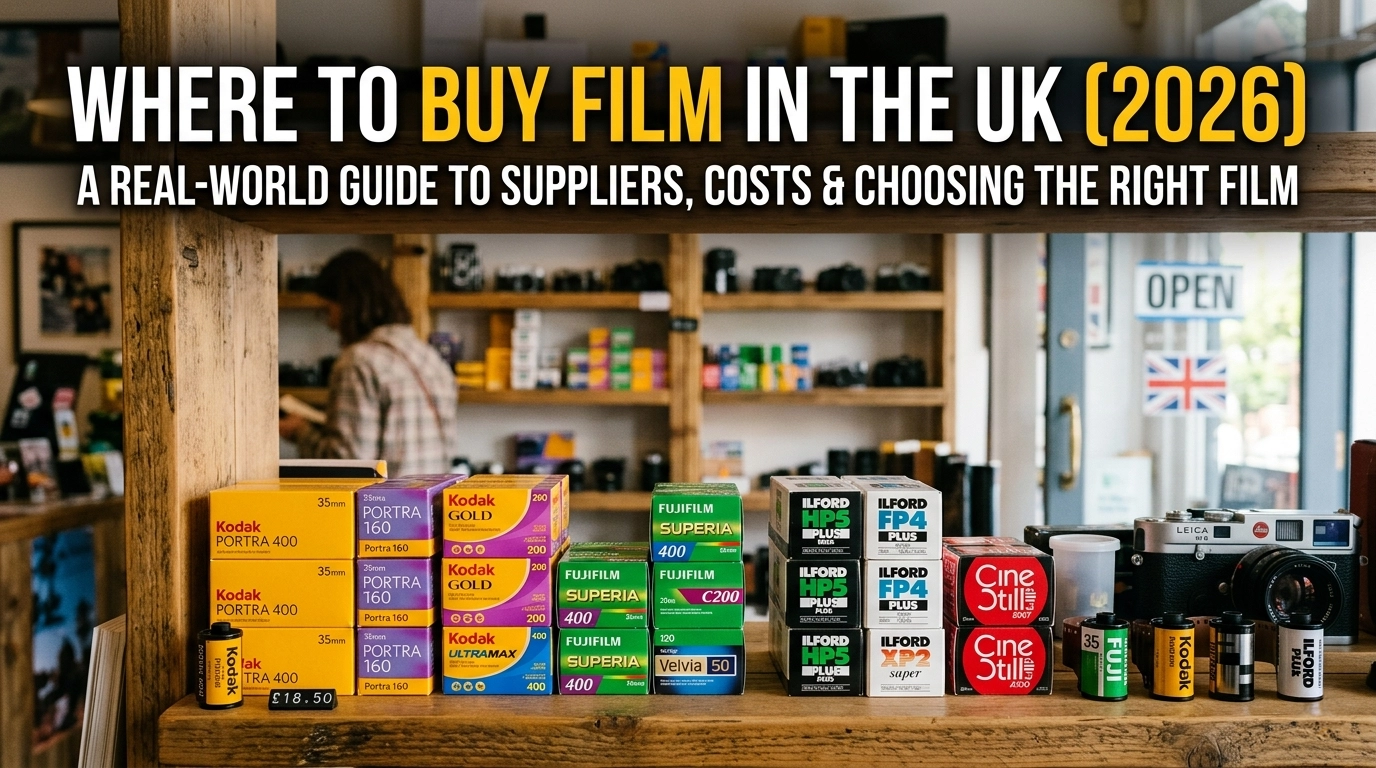
Where to Buy Film in the UK (2026): A Real-World Guide to Suppliers, Costs & Choosing the Right Film
By Stephen Paul Young · Film Photography · Updated 2026 A real-world guide to UK film suppliers, current prices, and the stocks I actually use — based on years of shooting film in the field rather than reading about it online. If you’re new to film photography, start with the Film Photography Hub first. Film photography isn’t becoming easier — it’s becoming more intentional. Not because of nostalgia, but because every decision now matters: the film you choose, the supplier…
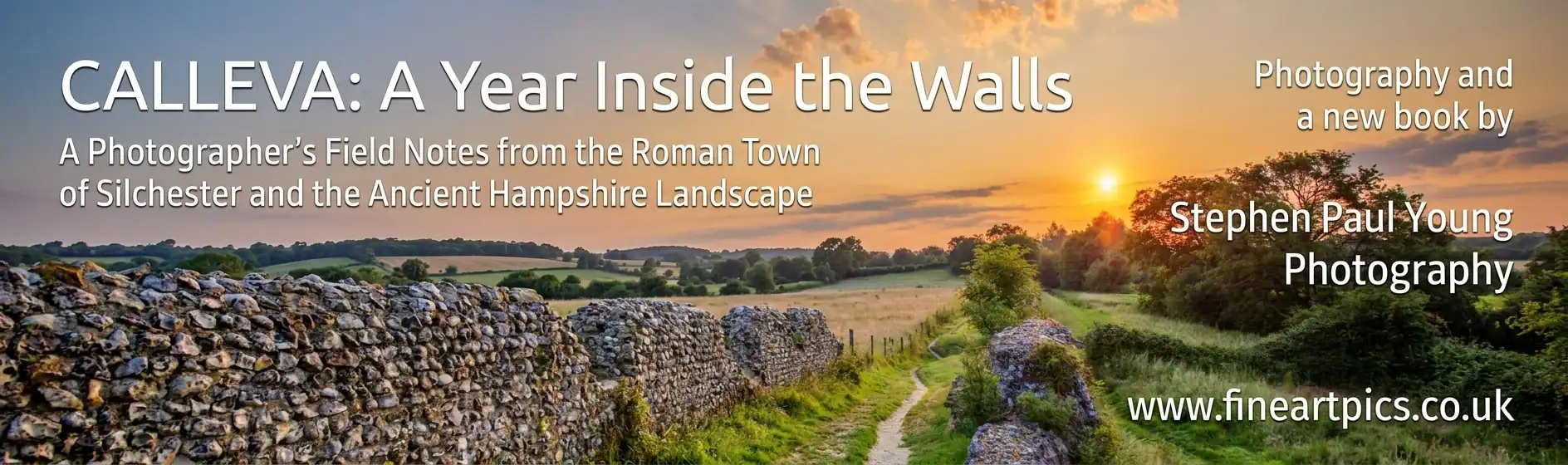
CALLEVA: A Year Inside the Walls — A New Book About Silchester’s Roman Landscape
By Stephen Paul Young · Fine Art Landscape Photography · Silchester, Hampshire Some places refuse to let go of the past. Calleva Atrebatum — the Roman town buried beneath the fields of Silchester in North Hampshire — is one of them. I have been walking its walls since I was a boy. For more than fifty years, the same two miles of ancient flint and lime mortar, the same field interior, the same church tower above the hawthorn at the…
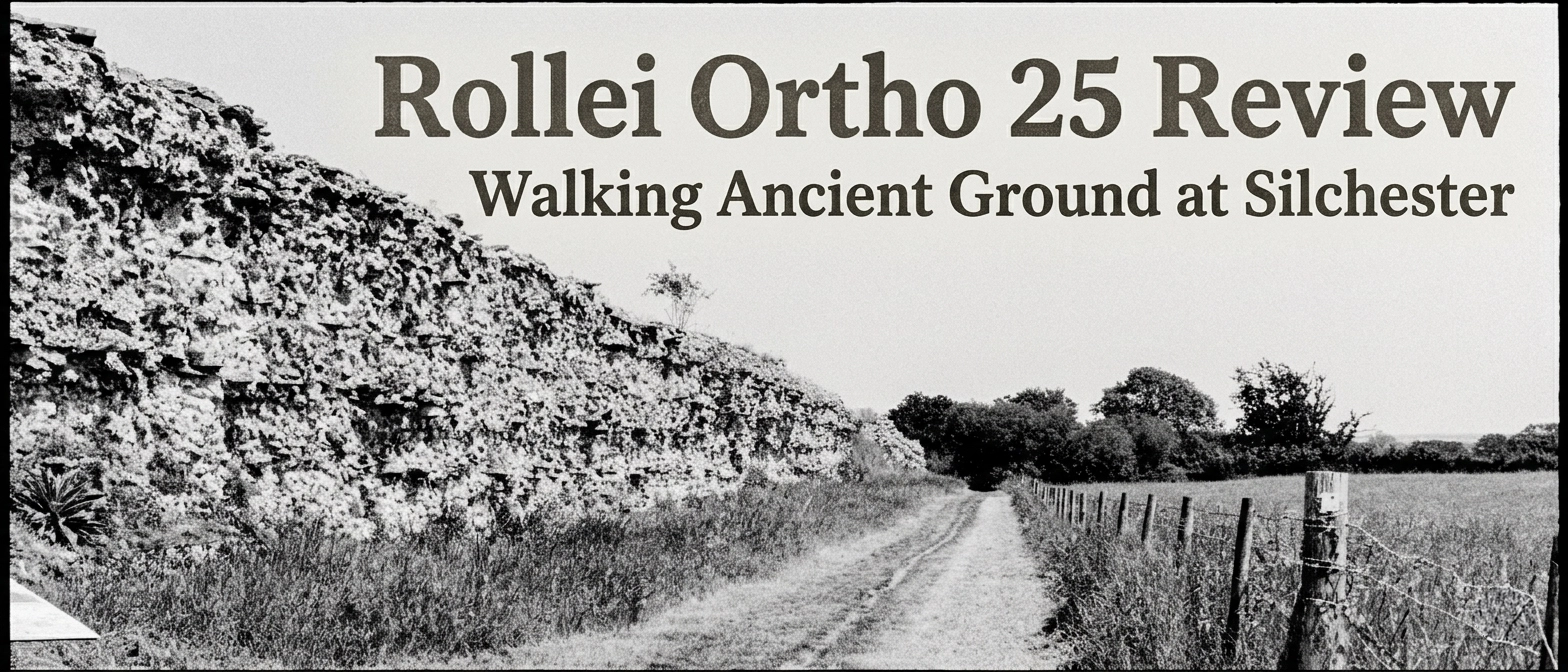
Rollei Ortho 25 Review — Walking the Roman Walls at Silchester
By Stephen Paul Young · Rollei Ortho 25 Review · Silchester Roman Walls, Hampshire The old Roman walls at Silchester do not rise dramatically from the earth. There are no towering arches waiting beyond the trees, no broken columns catching evening light. Instead the place survives quietly — grass grows over stone, earth lifts gently where walls once stood, paths still follow lines laid down nearly two thousand years ago. The landscape remembers even when it says very little. It…
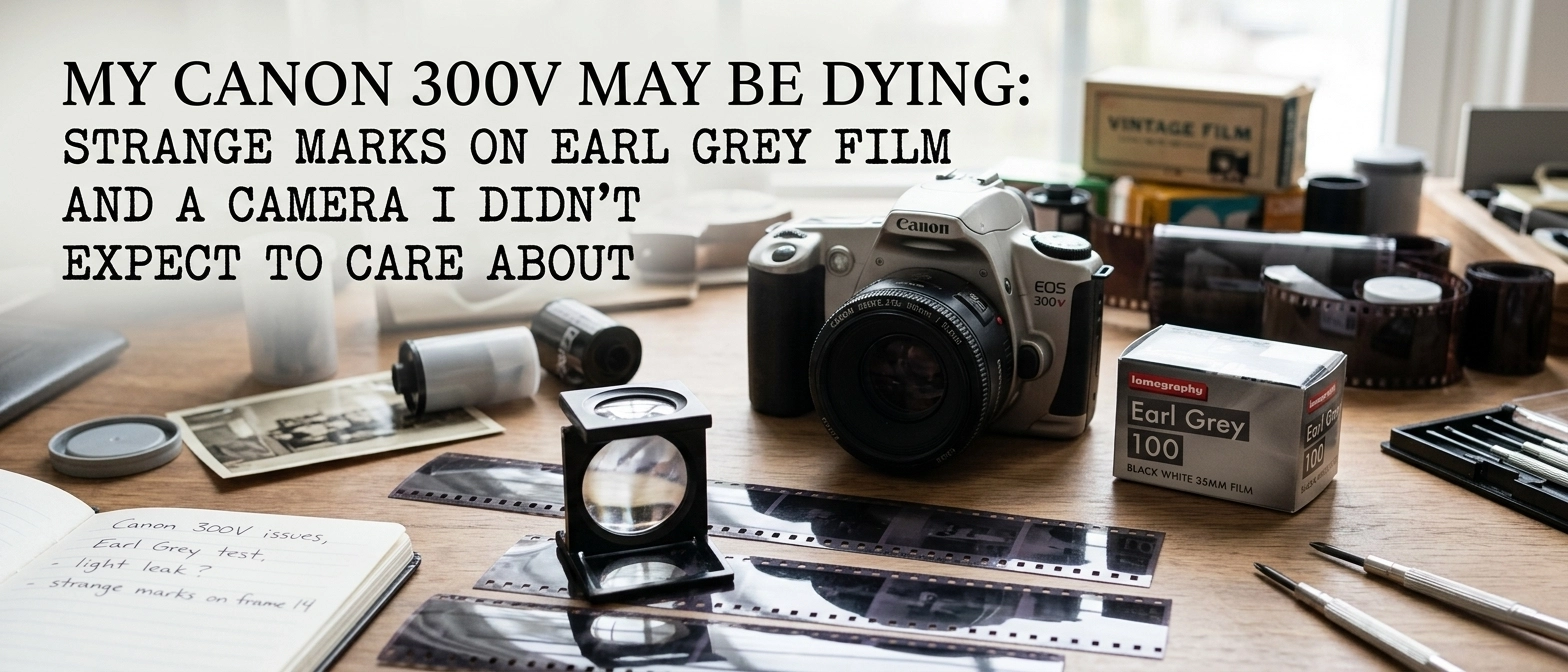
My Canon 300V May Be Dying: Strange Film Negative Marks on Earl Grey Film and a Camera I Didn’t Expect to Care About
There is a particular kind of silence that comes after you develop a roll of film and realise something is not quite right. It is not dramatic, and it does not announce itself immediately as a disaster. Instead, it begins as a slight hesitation, a sense that the negatives in front of you are not behaving in the way they should, and that something subtle has shifted without your awareness. That was the feeling I had when I looked through…
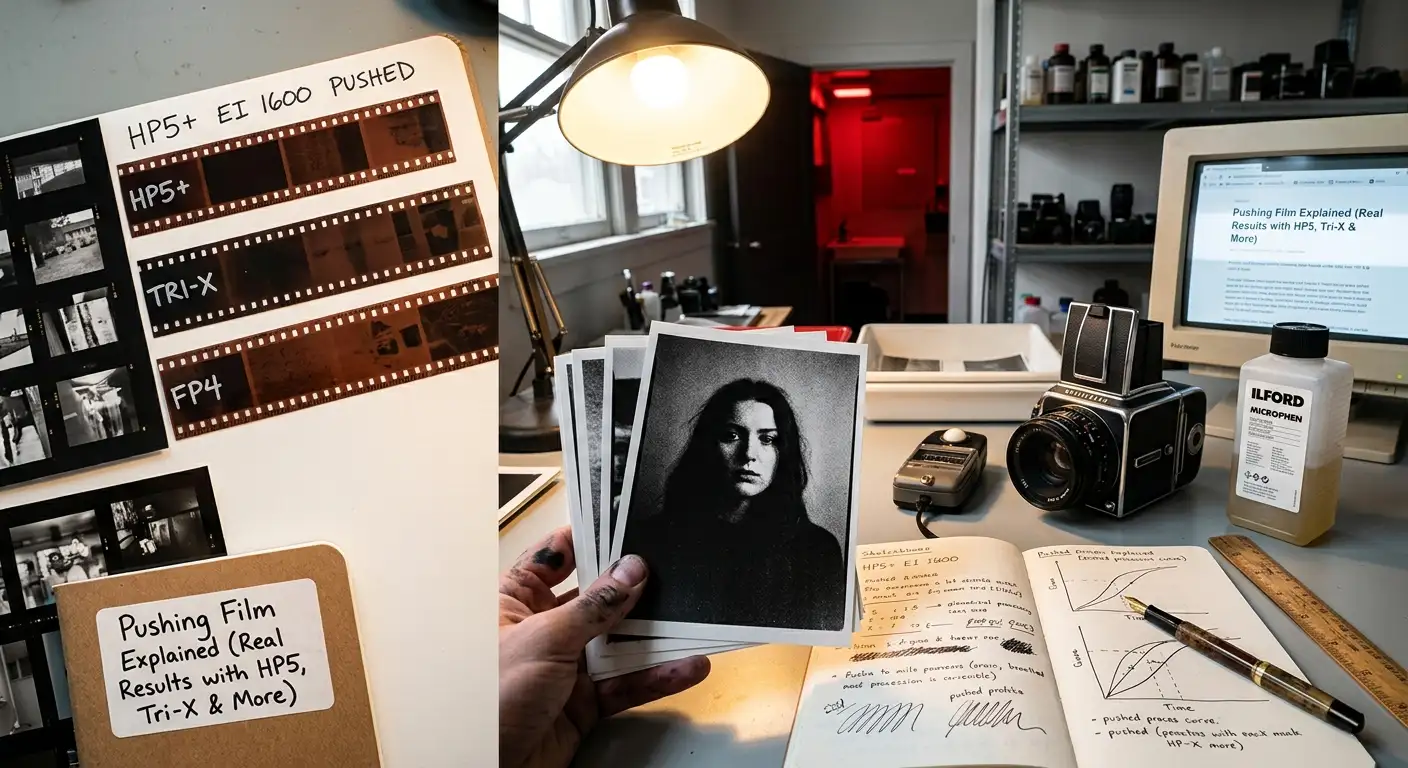
Pushing Film Explained — Real Results with HP5, Tri-X and More
What this guide covers: What pushing film actually means, why you would do it, and what it does to grain, contrast and shadow detail in practice — with real results from Ilford HP5 Plus and Kodak Tri-X 400. Films covered: Ilford HP5 Plus 400, Kodak Tri-X 400, Ilford FP4 Plus 125. Developer used: Rodinal. Cameras used: Zenza Bronica ETRSi (120 format) and 35mm SLRs. Skill level: Assumes basic familiarity with film photography. If you are new to the process, the…
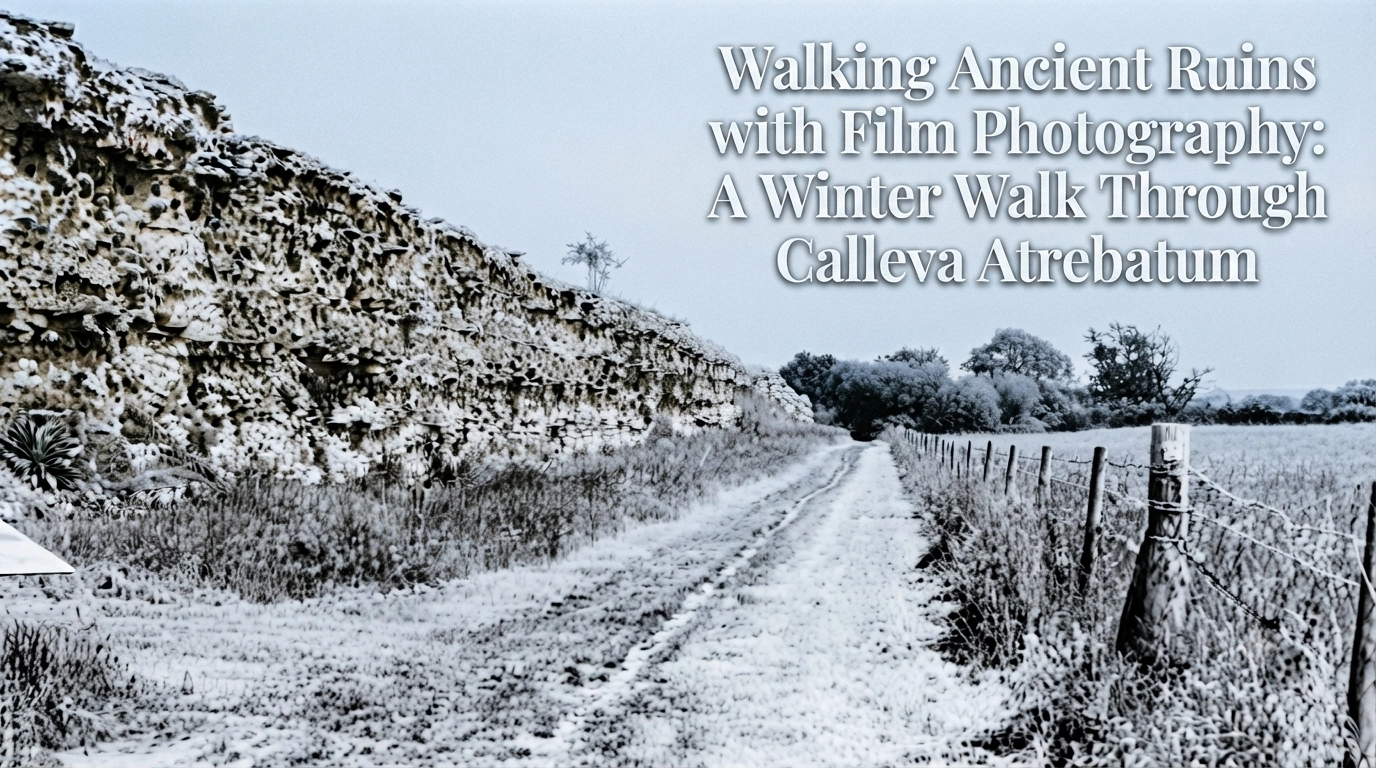
Walking Ancient Ruins with Film Photography: A Winter Walk Through Calleva Atrebatum
Location: Calleva Atrebatum, Silchester · Season: Winter · Camera: Bronica ETRSi · Film: Lucky SHD 400 A quiet winter walk through the walls of a Roman town, made with a medium format camera, a roll of characterful film, and a dog who set the pace better than any light meter could. The morning was bright and cold, the kind of cold that clears the head and clarifies the air. I walked Calleva’s perimeter and inner paths with a medium format…
Ilford HP5 Plus 400 Review: Why It’s the Most Versatile Black & White Film
Ilford HP5 Plus 400 Review Ilford HP5 Plus 400 is one of the most widely used black and white films — and for good reason. It’s flexible, forgiving, and capable of producing beautifully atmospheric images in a wide range of conditions. I’ve covered this in more detail in my guide to pushing film Explained, including real-world results at different ISO levels. I’ve used HP5 extensively across different environments, from overcast woodland in North Hampshire to low-light conditions where pushing the…
Where to Buy Affordable Black & White Film in the UK
By Stephen Paul Young · Film Photography · Updated June 2026 A practical guide to buying affordable black and white film in the UK — where to buy it, which stocks are worth the money, and the pitfalls to avoid. Written from direct experience shooting B&W film regularly in the field. If you’re looking for a broader guide covering all film types and suppliers, see: Best Places to Buy Film in the UK (2026). Black and white film photography has…
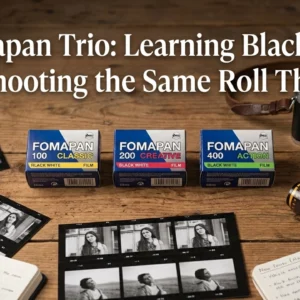
The Fomapan Trio: Learning Black & White Film by Shooting the Same Roll Three Ways
Choosing your first black and white film shouldn’t feel like studying for an exam. Yet most people start by comparing data sheets, grain charts, and development times — long before they’ve learned what different films feel like in use. I see this a lot, especially from photographers coming from digital, where ISO is a dial rather than a commitment. That’s exactly why I put together The Fomapan Trio. Not as a bundle for the sake of it, but as a way to learn black…
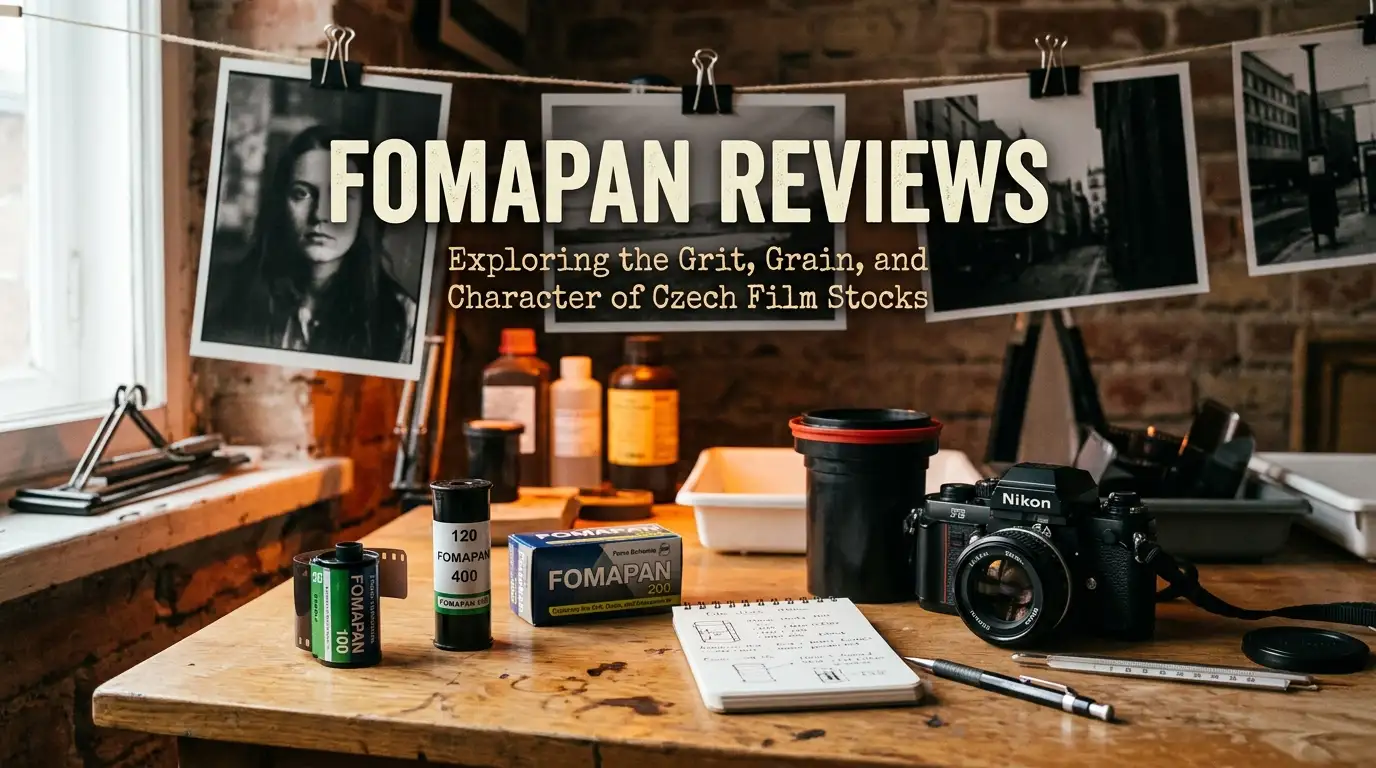
Fomapan 100, 200 & 400 Film – Full Review, Tips & Results
Fomapan 100, 200, and 400 are versatile black and white films known for their classic grain, wide tonal range, and reliability. In this guide, we explore each film’s characteristics, share real-world results, and provide practical tips for shooting, developing, and even pushing them to get the best possible images while choosing the right film. Whether you’re a seasoned film shooter or just starting out, this review will help you understand which Fomapan film suits your style and subject. Fomapan 100…

Lucky SHD400 Review — Three Rolls, 34 Frames, and an Honest Review
A Film With a Bad Reputation and a Beautiful Soul Every so often, a film stock appears that splits opinion down the middle, when selecting a good film becomes debatable. Some photographers praise its character; others warn you off with raised eyebrows and cautionary tales. Lucky SHD400 is one of those films — cheap, moody, imperfect, inconsistent… and yet strangely captivating. During a quiet winter escape to Cornwall, armed only with my Bronica ETRSi and three rolls of Lucky SHD400, I set…
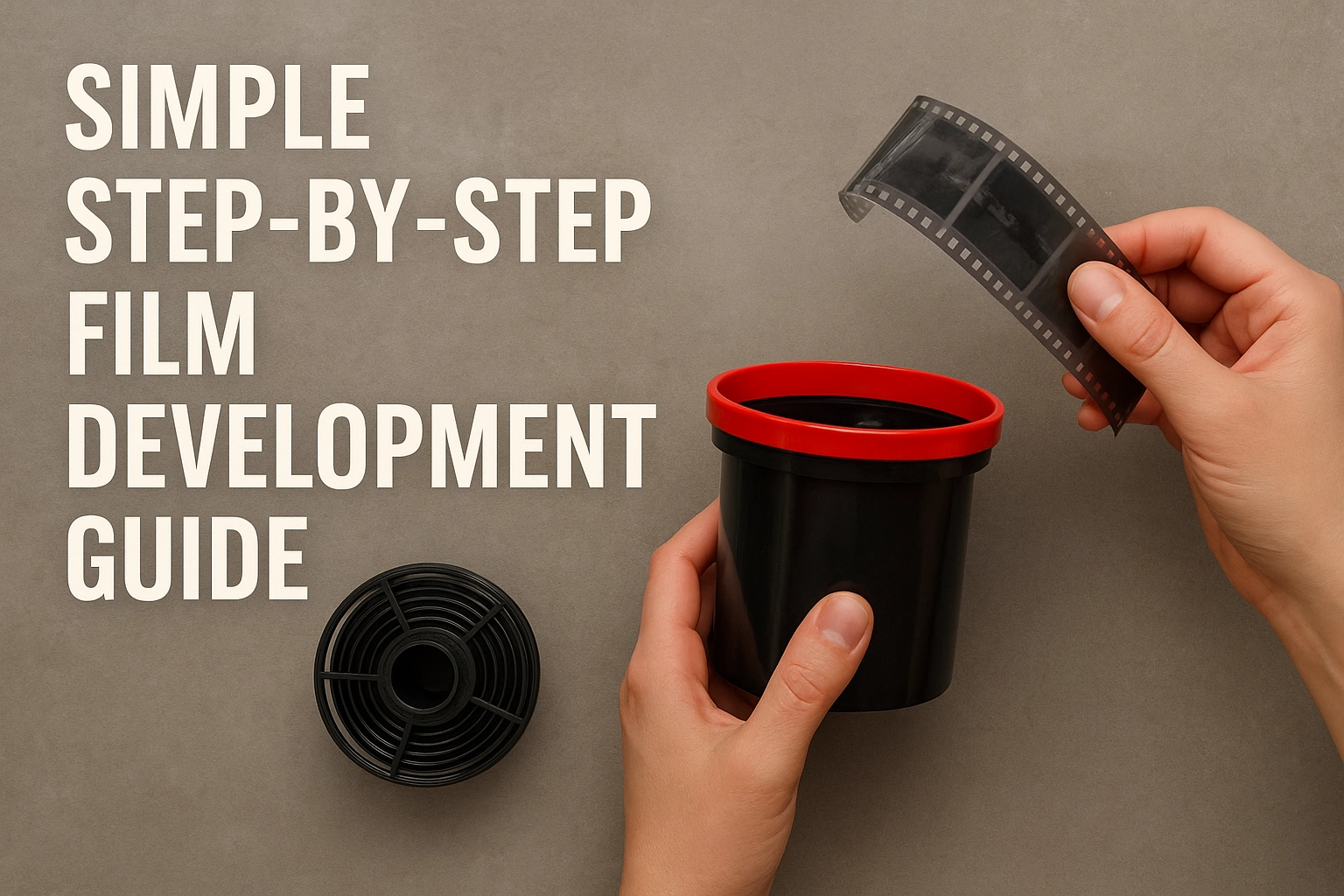
Simple Film Development Guide — Developing Black and White Film at Home
What this guide covers: A complete step-by-step walkthrough of developing black and white film at home — from setting up your workspace and loading the reel, through developer, stop bath and fixer, to washing, drying and storing your negatives. Applies to: 35mm and 120 medium format black and white film. Developer used in this guide: Rodinal, diluted 1+50 at 20°C — though the process is essentially the same for most developers. Skill level: Complete beginners welcome. If you have already…
Film Formats
Most of my shooting is on 35mm — it’s accessible, affordable, and the range of available stocks is enormous. But I save medium format for occasions that feel worth it. The Bronica ETRSi takes 120 film, and the difference in negative size is immediately visible in the final image — a quality of detail and tonal depth that 35mm simply can’t match. I don’t shoot medium format every week, but when I do, I’m more deliberate with every frame. Partly because each roll gives you fewer shots. Partly because the camera demands it.
If you’re starting out, 35mm is the right place to begin. Get comfortable with the process, experiment with different stocks, and don’t rush toward medium format until you’re genuinely ready to slow down even further.
Getting Started with Film
My honest advice: enjoy it before you get bogged down in what the YouTube generation tell you. There is an entire ecosystem of online voices telling you which camera is correct, which film stock is superior, which developer to use, and which rules to follow. Most of it is noise.
Film photography is about more than getting technically good results. Load a camera, go outside, make photographs. The learning comes from doing, not from watching. There will be bad frames, underexposed rolls, and the occasional disaster — that’s part of it. The art matters more than the execution, especially at the beginning.
Why Film Photography?
Film slows you down. That sounds like a limitation but it isn’t — it’s the whole point. When you have 36 frames instead of thousands, you think twice before pressing the shutter. You consider the light, the composition, the moment. That deliberateness is good for the soul in a way that rapid-fire digital shooting rarely is.
There’s something else worth saying that doesn’t get mentioned enough: shooting film regularly makes you a better digital photographer. The habits you build — slowing down, thinking before shooting, being selective — don’t switch off when you pick up a digital camera. Film teaches you to see differently, and that stays with you.
Frequently Asked Questions
Is film photography worth it in 2026?
Yes — but not for the reasons people often give. Film isn’t worth shooting because it looks better than digital, or because it’s more authentic. It’s worth it because the process changes how you photograph. It slows you down, makes you more deliberate, and produces images that feel genuinely considered. If that appeals to you, film is absolutely worth it.
What is the best film stock for beginners?
There isn’t one perfect film stock — and anyone who tells you otherwise is probably selling something. Fomapan 100 and 400 are excellent starting points: affordable, widely available, and flexible enough to shoot in a range of conditions. Ilford HP5 is another reliable choice. The honest answer is to try several and see what suits your eye.
Can you still buy 35mm film in the UK?
Yes — 35mm film is widely available in the UK, both online and in some high street camera shops. FineArtPics stocks a selection of 35mm film including Fomapan, available to buy directly from the online shop. The resurgence in film photography over the last decade means supply has remained healthy, though prices have risen compared to ten years ago.
Does shooting film improve your digital photography?
In my experience, yes — significantly. The discipline of working with a limited number of frames forces you to think more carefully before shooting. Those habits don’t disappear when you pick up a digital camera. Photographers who shoot film regularly tend to be more selective, more patient, and more intentional with their digital work as a result.
What’s the difference between 35mm and 120 medium format film?
35mm film is the standard format — rolls of 24 or 36 exposures, compatible with a huge range of cameras. 120 is medium format film, producing a larger negative that captures significantly more detail and tonal range. Medium format cameras like the Bronica ETRSi give you fewer frames per roll (typically 12–16) but the image quality at large print sizes is noticeably superior. 35mm is the natural starting point; medium format is worth exploring once you’re comfortable with the process.