
About This Hub
I’m Stephen Paul Young, a fine art landscape photographer based in North Hampshire. Every review on this page is written from real-world use — cameras and lenses taken out into the field, shot across different conditions, and assessed honestly. Nothing here is written for affiliate income, sponsored by manufacturers, or generated to fill pages. If I haven’t used it myself, I don’t review it.
The reviews cover a genuinely mixed range — film cameras including the Canon AE-1 and Zenza Bronica ETRSi, digital bodies including the Canon R5, and lenses across both systems including the Canon RF 28mm and RF 200-800mm. That mix is deliberate. I shoot both film and digital depending on what the subject demands, and the reviews reflect that.
The photography kit review industry is saturated with content written by people who have never owned the equipment, optimised for search engines rather than photographers. These reviews are the opposite of that — slower, more considered, and based on what actually happens when you use the kit over time in real conditions.
About Stephen Paul Young
Fine art landscape photographer · North Hampshire · Film & digital · Best Fine Art Landscape Photographer 2025 — Creative & Visual Arts Awards
Choosing the right photography equipment can shape how you work, what you notice, and how you approach a scene.
This section focuses on real-world experience with cameras, lenses, film stocks, and accessories—used in the field rather than tested in controlled environments.
Explore Photography Kit Reviews
Below you’ll find all camera reviews, film stock tests, and gear-related posts.
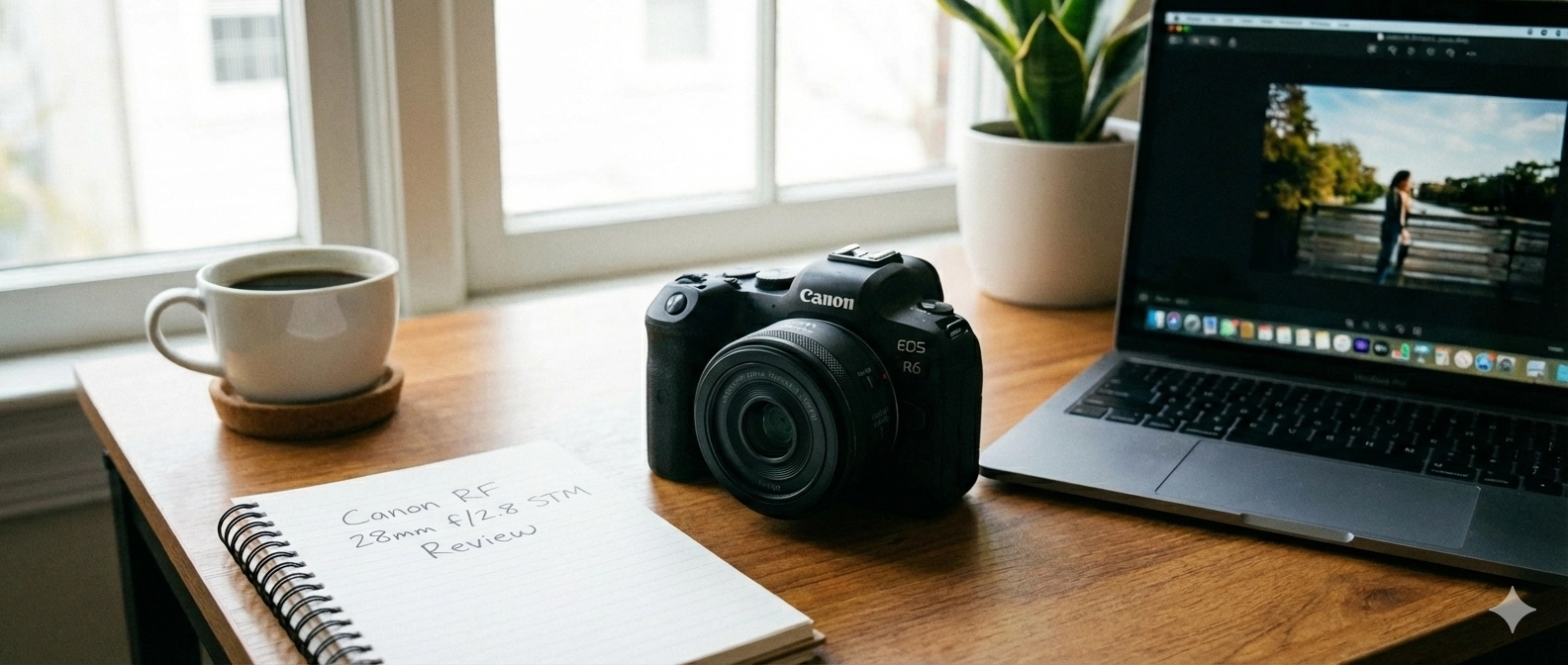
Canon RF 28mm f/2.8 STM Review — Winter Walking the Kennet & Avon Canal
By Stephen Paul Young · Canon RF 28mm f/2.8 STM Review · Kennet & Avon Canal, January 2026 Some lenses announce themselves immediately. Others reveal their strengths slowly, over the course of a walk, a season, or a familiar stretch of water revisited under different light. The Canon RF 28mm f/2.8 STM firmly belongs in the latter category. I field-tested this lens on a frozen January morning along the Kennet and Avon Canal at Aldermaston Wharf — a location I…
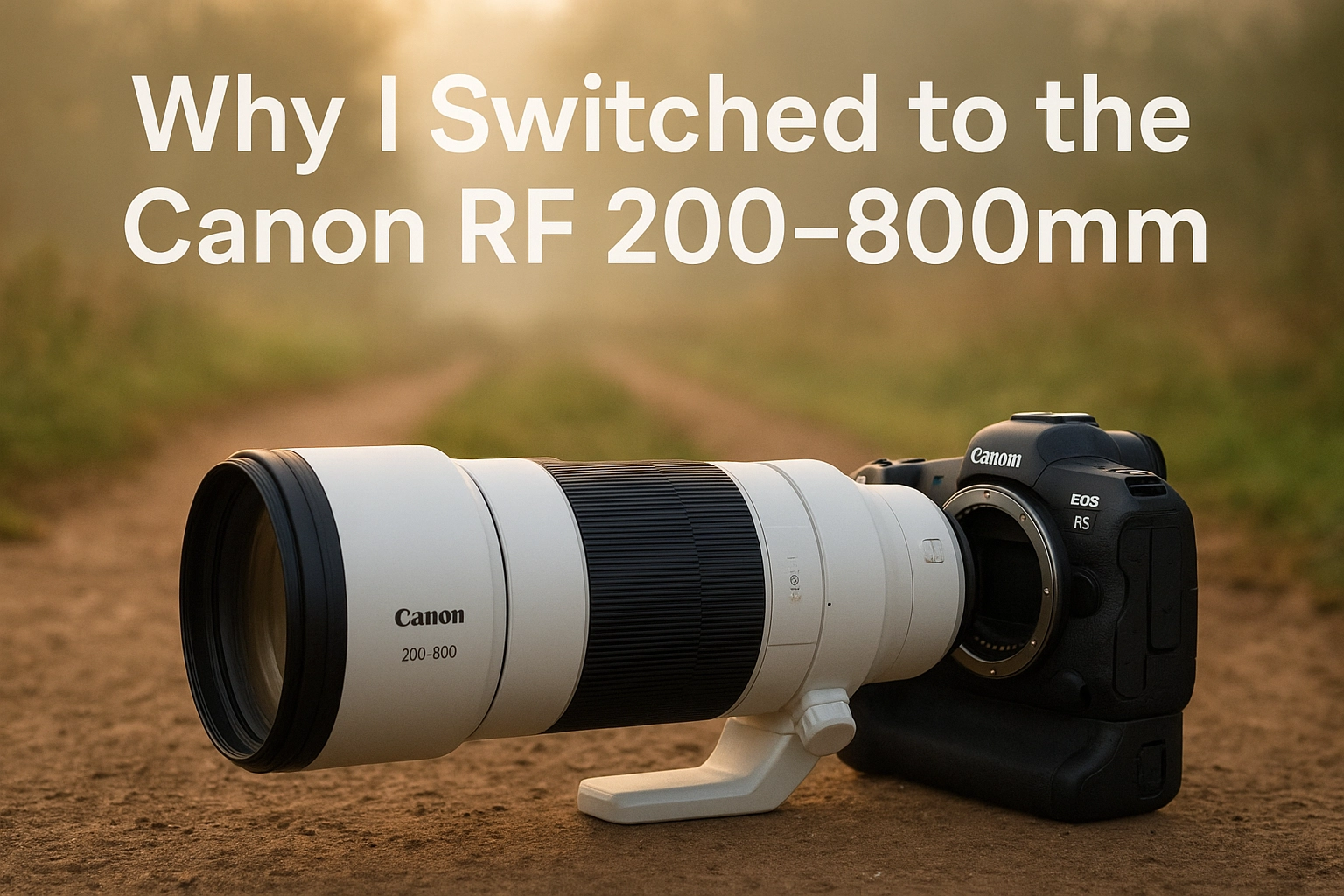
Canon RF 200-800mm Review — Wildlife Photography on Watership Down
By Stephen Paul Young · Canon RF 200-800mm Review · Wildlife Photography · Watership Down, Hampshire For years, the Sigma 150-600mm Sport was my faithful field companion — through misty dawns in Baughurst Copse, restless owls, and early light over the Tadley fields. It was a magnificent lens and I trusted it completely. But after moving to the Canon R5 mirrorless system, I began to feel the limits of shooting a heavy EF lens via adapter — the focus lag…

Canon EOS 5DS R Review — Steam Railways on the North Norfolk Line
By Stephen Paul Young · Canon EOS 5DS R Review · North Norfolk Railway The Canon EOS 5DS R is a camera that asks something of you. Its 50.6-megapixel sensor is unforgiving of poor technique — camera shake, soft focus, and mediocre lenses all become more apparent at this resolution, not less. But when you meet its demands — good glass, careful technique, and subjects worth the effort — it produces files of a quality that justify every penny of…
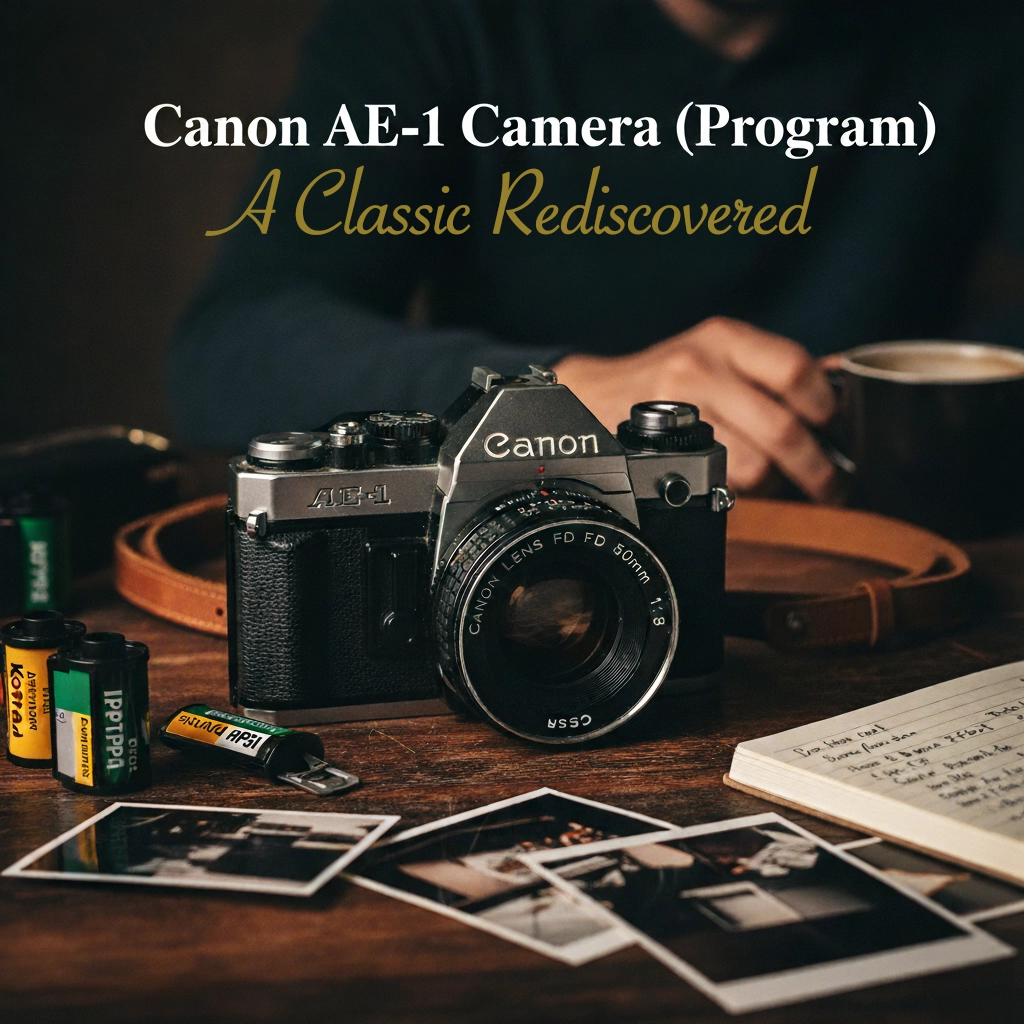
Canon AE-1 Program Review — A Classic 35mm SLR That Still Delivers
The Canon AE-1 Program in 2023
Frequently Asked Questions
Are these kit reviews independent?
Yes. Every review on this site is written from personal ownership and real-world use. No kit is reviewed here unless it has been bought, used in the field, and assessed over time. There are no manufacturer relationships, no sponsored content, and no affiliate arrangements influencing the conclusions. The reviews exist because the kit was used — not the other way around.
What camera does Stephen Paul Young use?
Stephen shoots with a mixed system — digital and film depending on the subject. On the digital side, the Canon R5 is the primary body, paired with Canon RF lenses including the RF 28mm and RF 200-800mm. On film, the Zenza Bronica ETRSi (medium format, 120 film) is used for more considered landscape and project work, alongside 35mm cameras including the Canon AE-1.
Is the Canon R5 good for landscape photography?
The Canon R5 is an excellent landscape camera — high resolution, strong dynamic range, and reliable in field conditions. That said, the camera is secondary to how you use it. The most important factors in landscape photography are light, timing, and knowledge of your location — none of which a camera body provides. The R5 is a capable tool; whether it’s the right tool depends on your budget, existing system, and how you work.
Is the Zenza Bronica ETRSi worth buying in 2026?
Yes — if you’re drawn to medium format film photography, the Bronica ETRSi remains one of the best value options available. It’s a well-built, modular system with interchangeable backs, finders, and a good range of lenses available on the used market at reasonable prices. It’s slower and more deliberate than 35mm, which suits landscape work well. The main consideration is finding a well-serviced body — age and condition vary considerably.
What should I look for when buying a film camera?
Condition and serviceability matter more than brand or model. A well-maintained lesser-known camera will outperform a neglected iconic one. Check that the light seals are intact, the shutter fires accurately across speeds, and the meter (if it has one) is functioning. Buy from a reputable seller who has tested the camera with film where possible. Starting with something simple and mechanical is usually wise — fewer things to go wrong, and you learn more about exposure in the process.