
About This Hub
I’m Stephen Paul Young, a fine art landscape photographer based in North Hampshire. Every guide on this page comes from personal experience — time spent in the field, making mistakes, working things out, and occasionally getting it right. Nothing here is written from research alone. If I haven’t done it myself, I don’t write about it.
The guides here cover a deliberately wide range — landscape and composition, film photography, ICM, telephoto work, street photography, and more. Photography is a broad discipline and I’ve found that lessons from one area often improve your work in another. A street photographer’s instinct for decisive moments translates directly to landscape work. The discipline of film improves your digital photography. The guides reflect that cross-pollination.
If you’re new here, the two best places to start are the Photography Glossary — a practical reference for anyone building their vocabulary — and Photography Habits That Improve Your Photography, one of the most read pieces on the site.
About Stephen Paul Young
Fine art landscape photographer · North Hampshire · Film & digital · Best Fine Art Landscape Photographer 2025 — Creative & Visual Arts Awards
Photography is learned through practice—but having the right guidance makes a difference.
This section brings together practical photography guides, tips, and techniques based on real-world experience. Whether you’re just starting out or refining your approach, these guides are designed to help you understand not just what to do, but why it works.
Explore Photography Guides
Below you’ll find all photography guides, tutorials, and practical advice.
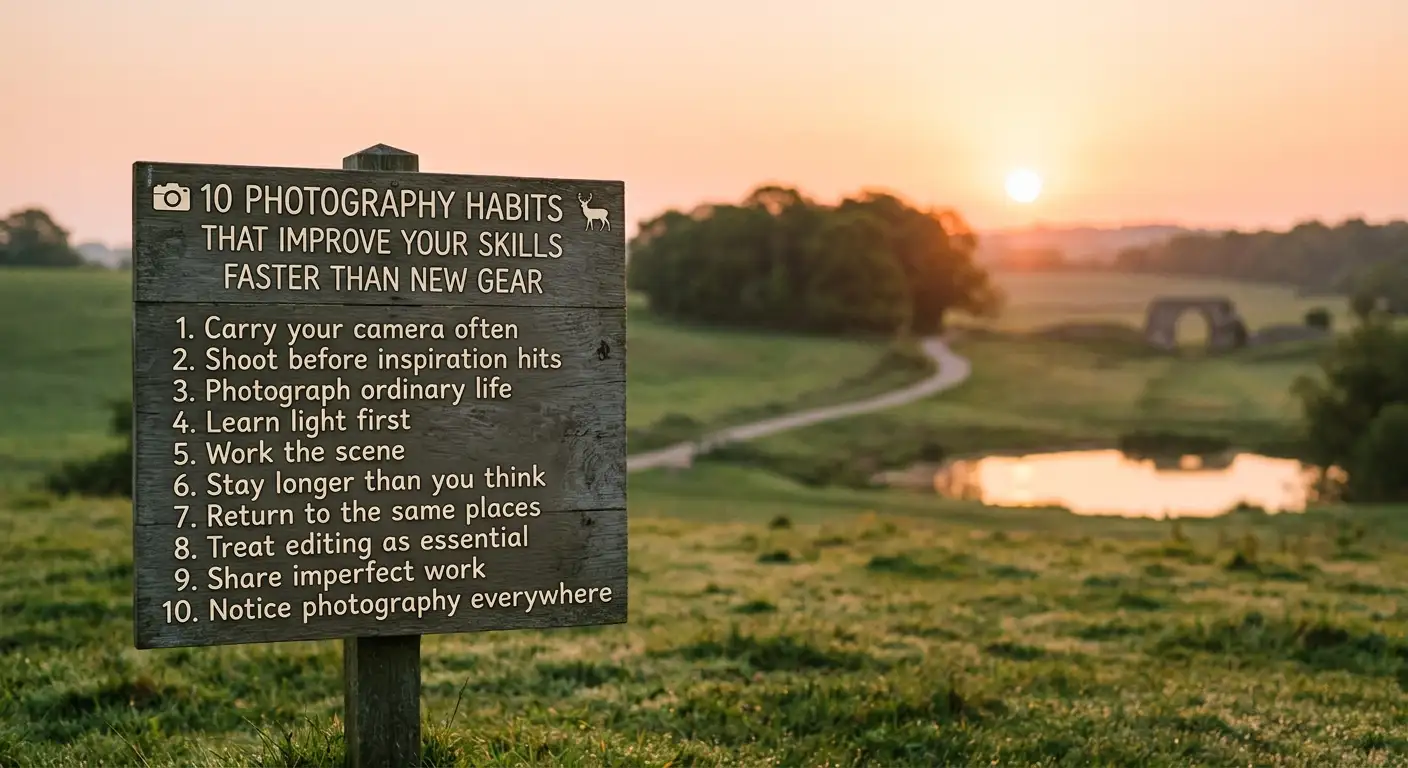
10 Photography Habits That Improve Your Photography More Than New Gear
The core idea: Better gear rarely improves your photography. Small habits, repeated consistently, do. Ten habits — built from years photographing wildlife, landscapes, ancient ruins, and quiet local scenes across North Hampshire — that have changed my work more than any camera upgrade ever has. Most photographers think better gear will improve their work. In reality, the biggest improvements usually come from small habits repeated consistently over time. Over years of photographing wildlife, landscapes, ancient ruins, and quiet local scenes…
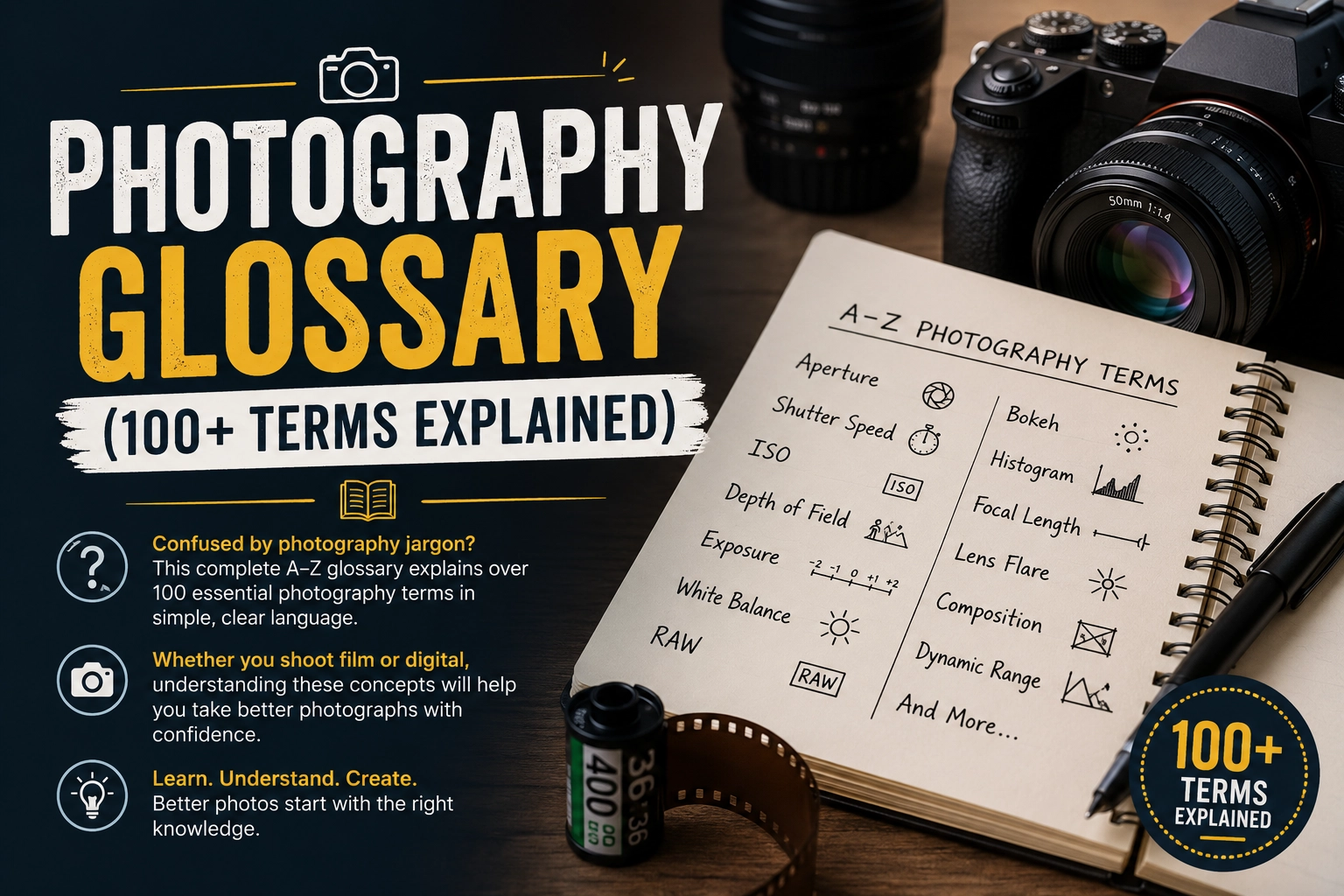
Photography Glossary: 100+ Essential Terms Explained
What this is: A complete A–Z glossary of photography terms — whether you shoot film or digital, understanding these concepts will help you take better photographs with confidence. ABCDEFGHIJKLMNOPQRSTUVWXYZ A A Aperture The opening of a lens that controls how much light enters the camera and affects depth of field. A wide aperture (low f-number) creates a shallow depth of field, while a narrow aperture keeps more of the scene in focus. Autofocus A system that automatically focuses the lens…
Photography Guide for Beginners: Simple Techniques That Actually Work
Photography can feel overwhelming when you’re starting out, with so many settings, rules, and techniques to learn. This photography guide for beginners breaks everything down into simple, practical steps you can actually use in the real world. From understanding basic camera settings and composition techniques to answering common questions, this guide is designed to help you take better photos with confidence. Whether you’re shooting on film or digital, the aim is the same — to slow down, see more clearly,…
Top 10 Questions Amateur Photographers Ask (and Simple Answers)
When you’re starting out in photography, the sheer amount of information can feel overwhelming. Do you need a “proper” camera? What’s the difference between RAW and JPEG? How do you get those dreamy blurred backgrounds? The good news: every amateur photographer asks the same questions at some point. Below, you’ll find the ten most common beginner photography questions—answered in plain English—so you can spend less time confused and more time making photos you’re proud of. Here are my Top 10…
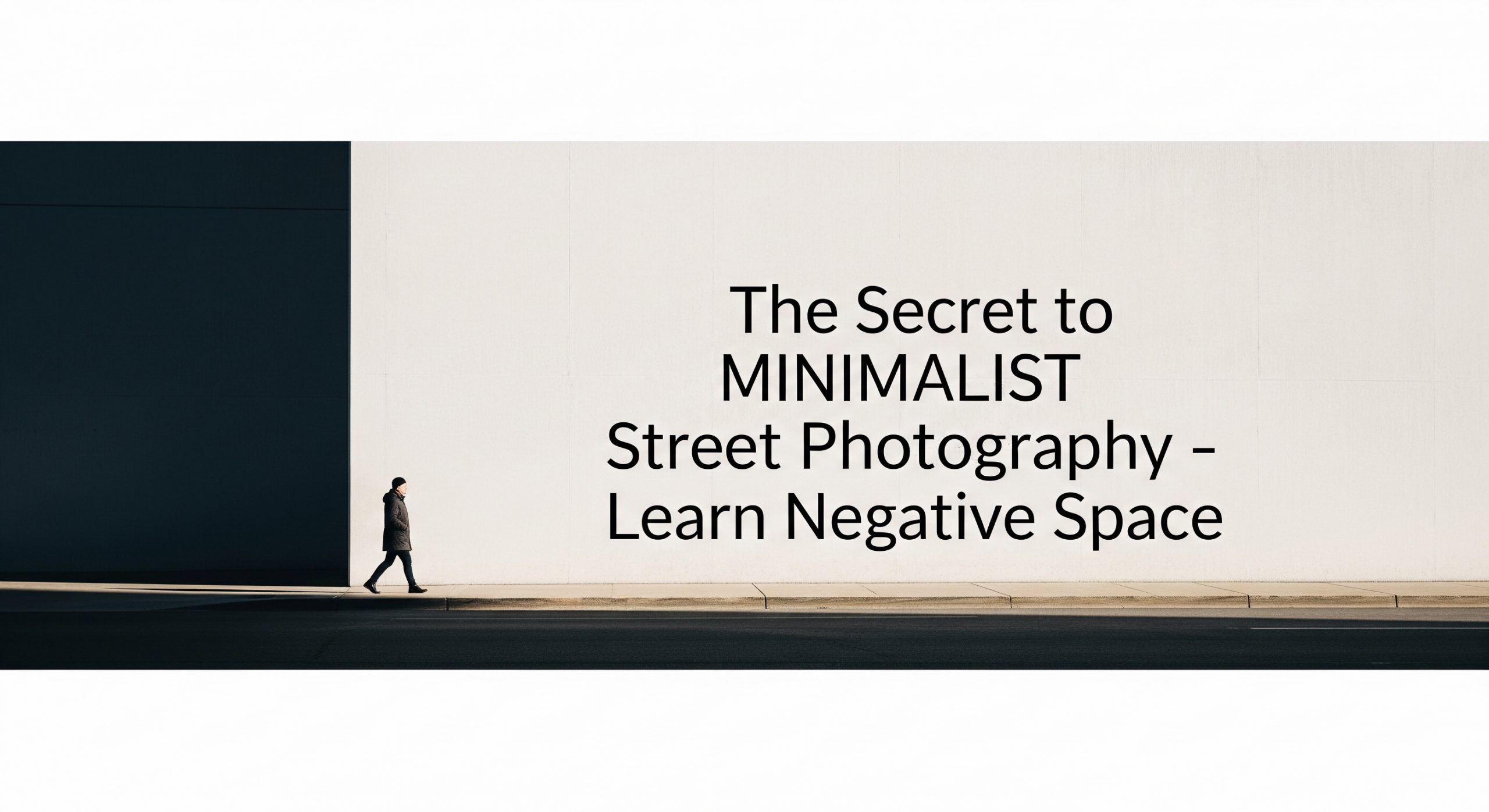
The Secret to MINIMALIST Street Photography – Learn Negative Space
Street photography is often seen as a chaotic blend of movement, crowds, and energy. But within that chaos lies a hidden art form—minimalist street photography. This approach strips away the clutter and noise, allowing negative space to become the hero of the frame. By learning how to use negative space, photographers can create powerful, thought-provoking images that speak louder than busy compositions ever could. Introduction to Minimalist Street Photography Minimalist street photography is not about capturing everything happening on a bustling…

Vintage Car Photography at Goodwood Festival of Speed 2025
A Day Behind the Lens: Vintage Car Photography at Goodwood Festival of Speed 2025 I still feel the smell of petrol and freshly cut grass when I close my eyes. That’s the magic of the Goodwood Festival of Speed — an open-air cathedral for motoring enthusiasts, and for me, a playground for my passion: Vintage Car Photography. This July, I spent an entire day wandering the sprawling grounds of Goodwood House in West Sussex, England. From the rumble of classic…

Capturing Confidence on the Water – A Commercial Photography Session with AT Outdoor Coaching
Earlier this month, I had the opportunity to document a Paddlesport Safety and Rescue Course delivered by AT Outdoor Coaching, led by founder and lead instructor Aaron, on the scenic River Thames at Pangbourne. This commercial photography session focused on capturing the dynamic, hands-on nature of the course while showcasing Aaron’s expertise and calm instruction style. This session challenged me to balance sharpness with motion — a theme I explore further in Motion Blur Photography. Whether you’re a paddling enthusiast, coach, or outdoor centre manager,…

Horse and Trap on the Kennet and Avon Canal: A Chance Encounter on Film
Location: Kennet and Avon Canal, Aldermaston Wharf · Camera: Bronica ETRSi · Film: Kentmere Pan 100 A chance encounter with a horse and trap along the canal, photographed on black and white film in the soft tones of an English morning. Softened by the soft tones of an English morning, this wasn’t a walk that started with any particular plan. Classic Film Photography on the Canal Classic Film Photography on the Canal I hadn’t set out that day expecting to…

Telephoto Photography: Discover 6 Tips
What is Telephoto Photography? Telephoto photography allows you to capture distant subjects with incredible detail. Using lenses with longer focal lengths, you can bring faraway scenes closer and create stunning images. Table of Telephoto Lens Focal Lengths: Focal Length Range Description Common Uses 70-200mm Moderate telephoto Portraits, wildlife, sports 100-400mm Super telephoto Wildlife, sports, birdwatching 200-600mm Ultra telephoto Wildlife, birdwatching, astrophotography 500mm+ Extreme telephoto Wildlife, astrophotography, aviation 4 Benefits of a Telephoto Lens 6 Tips for using a Telephoto Lens…

Seeing the World Differently: Embracing ICM Photography on a Wet Winter’s Day
In a world obsessed with pin-sharp images, I find myself drawn to something different—something more fluid, more abstract, and ultimately more reflective of how I see the world. This is where ICM Photography (Intentional Camera Movement) comes into play, allowing me to break free from the rigidity of traditional photography and embrace the beauty of imperfection. Why ICM Photography? We live in an age where crisp, high-resolution images flood our social media feeds, magazines, and advertising. While there’s no denying the skill…

Fixing a Bronica ETRSi Light Leak: A Simple Guide
Owning a vintage medium format camera is a joy, but every now and then, the quirks of age can present a challenge. Recently, my Bronica ETRSi began to show signs of a problem: a light leak that had started ruining my film rolls. What initially seemed like a minor annoyance grew into an issue I couldn’t ignore. Here’s how I identified my Bronica ETRSi Light Leak problem, tackled it, and successfully replaced the light seals on the medium format film…

Film vs Digital Photography — A Working Photographer’s Honest View
What this covers: A working photographer’s honest comparison of film and digital — not a technical specification exercise, but a real account of how both mediums function in practice, when each one earns its place, and why most photographers who use both stop thinking of them as competing. Film used: Ilford HP5 Plus 400, medium format 120 and 35mm. Digital cameras: Canon EOS R5 and Canon EOS 5DS R. Film cameras: Zenza Bronica ETRSi and Canon AE-1 Program. The film…
Frequently Asked Questions
Are these photography guides suitable for beginners?
Yes. The guides here cover a wide range of levels — from complete beginners finding their feet to more experienced photographers looking to develop specific techniques. The Beginners Guide and Photography Glossary are the best starting points if you’re new to photography. More technical guides on topics like ICM, telephoto work, and film are suited to those with some experience already.
What is ICM photography?
ICM stands for Intentional Camera Movement — a technique where the camera is deliberately moved during a long exposure to create abstract, painterly effects. Rather than a sharp, static image, ICM produces streaks of light, colour, and form that can transform a familiar landscape into something entirely different. It requires experimentation and acceptance of unpredictable results, which is part of the appeal.
What is the most important thing to learn as a beginner photographer?
How to see, rather than how to operate a camera. Technical knowledge matters, but it’s secondary to developing an eye — learning to notice light, composition, and moment before you raise the camera. The mistake most beginners make is focusing on gear and settings before they’ve learned to observe. Get outside, make photographs, and worry about the technical details later.
Do I need expensive equipment to take good photographs?
No. Equipment matters far less than most photography content would have you believe. A modest camera in the hands of someone who has learned to see will consistently outperform expensive gear used without intention. The guides here are written from that perspective — the focus is always on the photographer’s eye and process, not the kit.
Are the guides based on personal experience?
Yes — every guide on this site is written from direct personal experience. If it hasn’t been tried, tested, and shot in the field, it doesn’t appear here. That’s a deliberate choice. There’s already too much photography content written from research rather than practice. These guides are written by a working photographer, based on what actually happens when you’re out in the field.