The core idea: Better gear rarely improves your photography. Small habits, repeated consistently, do.
Ten habits — built from years photographing wildlife, landscapes, ancient ruins, and quiet local scenes across North Hampshire — that have changed my work more than any camera upgrade ever has.
Most photographers think better gear will improve their work.
In reality, the biggest improvements usually come from small habits repeated consistently over time.
Over years of photographing wildlife, landscapes, ancient ruins, and quiet local scenes across North Hampshire, I’ve noticed something surprisingly consistent: the photographers who improve fastest are rarely the ones with the most expensive equipment.
They’re the ones who:
- Carry a camera regularly
- Notice light instinctively
- Return to familiar places
- Stay longer than others
- Keep photographing even when inspiration fades
These 10 photography habits have improved my own work far more than any camera upgrade — and they can completely change how you approach photography too.
The 10 Habits at a Glance
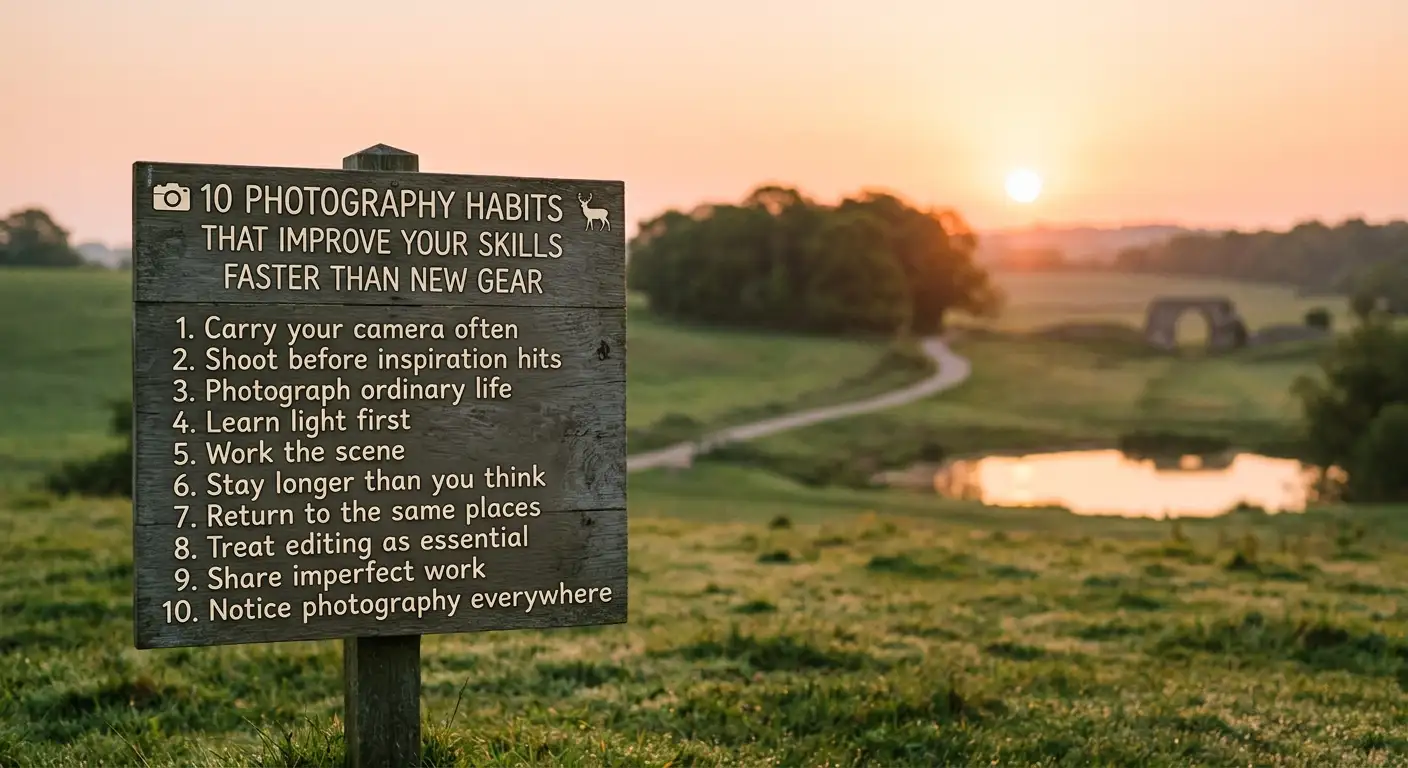
- 1. Carry your camera more often — so you’re ready when unexpected light or wildlife moments appear.
- 2. Shoot before you feel inspired — action creates creativity, not the other way around.
- 3. Photograph ordinary life on purpose — train your eye on everyday scenes, not just dramatic locations.
- 4. Learn light before chasing gear — light matters more than equipment in every genre.
- 5. Work the scene, don’t take one frame — small adjustments often unlock stronger compositions.
- 6. Stay longer than you think you need to — better moments often happen after you think you’re finished.
- 7. Return to the same locations — different light and weather completely change familiar places.
- 8. Treat editing as part of photography — reviewing and refining is where real learning happens.
- 9. Share your work before it feels perfect — feedback and momentum matter more than perfection.
- 10. Make photography part of your identity — consistency comes from how you see yourself, not motivation.
In short, this isn’t about doing more photography — it’s about changing how you approach the photography you already do.
Download the Free Checklist
10 Photography Habits That Improve Your Photography More Than New Gear
Download the PDFThe 10 Best Photography Habits
Carry Your Camera More Often Than Feels Necessary
Most photographers wait for “photo days” — planned trips, good weather forecasts, or specific locations. But wildlife and landscape photography rarely follows plans.
A moment in early morning light over North Hampshire fields. A deer stepping through woodland at the edge of a routine walk. Mist rolling unexpectedly through familiar ground. The truth is simple: if your camera isn’t with you, the shot doesn’t exist.
This habit directly supports wildlife work like deer photography in North Hampshire and brown hare photography in natural habitats, where timing is everything and opportunities are often brief.
Shoot Before You Feel Inspired
Waiting for motivation is one of the slowest ways to improve photography.
Inspiration is unreliable. Action is not. Most of the time, the creative response comes after you start shooting, not before.
Even on quiet days around Tadley or during slow walks through local countryside, the act of lifting the camera changes how you see the scene. This mindset is especially useful for field-based wildlife photography in North Hampshire, where conditions rarely feel “perfect” at the start of a session.
Photograph Ordinary Life on Purpose
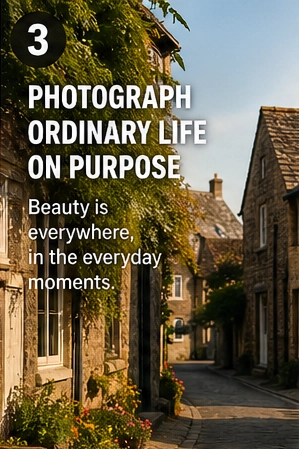
Not every photograph needs a dramatic subject.
Some of the strongest work comes from ordinary, familiar places — the kind you pass without thinking. Home light through a window. A quiet morning street. A misty field you’ve walked a hundred times.
This is something I explore often in my seasonal landscape work, where the same locations are revisited across different light and weather conditions. Ordinary life builds observational skill faster than almost anything else.
Learn Light Before Chasing Better Gear
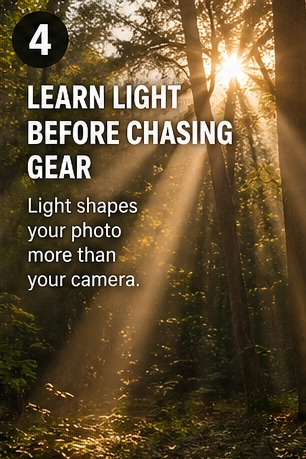
Light is the real foundation of photography.
Soft morning light through woodland canopy. Low winter sun stretching across fields. Fog that diffuses contrast into something quiet and atmospheric.
Once you start understanding light, your photography improves quickly — regardless of equipment. This is especially important in sunrise and sunset landscape work, where mood is driven almost entirely by light quality rather than subject complexity.
Work the Scene Instead of Taking One Frame
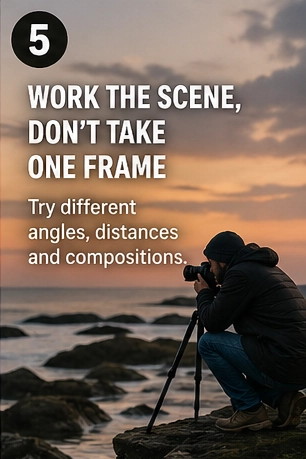
The first shot is usually the obvious one. It’s safe. Predictable. A starting point, not a finished image.
Stronger images often appear after you adjust: change position, lower your angle, step closer or further away, wait for movement, simplify the frame.
This is especially important in wildlife photography, where behaviour changes everything. You can see this approach reflected in my Wildlife Photography hub, where patience and observation are central themes across species work.
Stay Longer Than Feels Necessary

Most photographers leave just before things get interesting. Once a “good enough” image is captured, there’s a temptation to move on.
But often the strongest frame appears shortly after that moment — when you’ve slowed down enough to notice subtle changes in light, background, or behaviour. This is particularly relevant in locations like the Silchester Roman walls, where shifting light across ancient structures can completely change the mood of a scene.
Return to the Same Places in Different Conditions
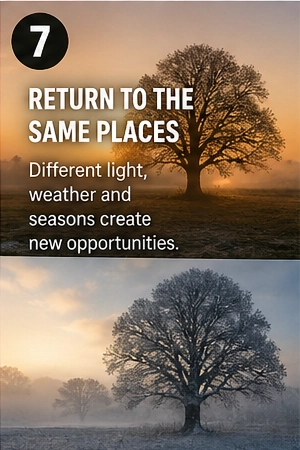
A location is never fixed. It only feels that way because we usually see it once.
The same woodland in summer feels completely different in winter mist. A familiar field becomes something new under low fog or golden evening light.
Across North Hampshire — especially places like Baughurst Copse and surrounding countryside — revisiting locations builds deeper understanding than constantly searching for new ones. This idea runs through much of my Landscape Photography hub, and I’ve written more on the mindset behind it in revisiting photography locations.
Treat Editing as Part of Photography
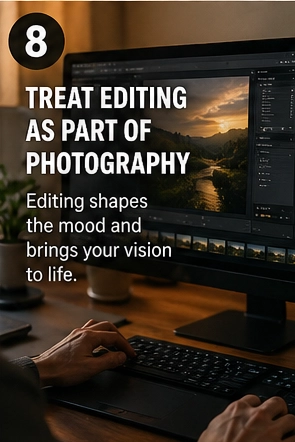
A photograph is not finished when the shutter clicks. Editing shapes mood, tone, and atmosphere. It’s part of the creative process, not an afterthought.
It also acts as one of the most powerful learning tools. Reviewing your work reveals patterns: what you consistently notice, what you miss, which light conditions you respond to, where compositions tend to fail.
This feedback loop is essential for long-term improvement. It also connects strongly to my medium format film photography with the Bronica ETRSi, where post-capture interpretation is a natural part of the process.
Share Your Work Before It Feels Perfect

Perfectionism keeps many photographers stuck. Work stays private. Projects remain unfinished. Progress slows.
Sharing images — even imperfect ones — creates momentum and clarity. It also helps separate personal doubt from actual feedback.
Many of the ideas behind my stories from the field and ongoing projects were shaped through sharing early work and refining based on response.
Make Photography Part of How You See the World
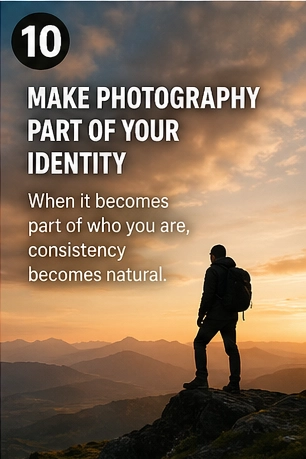
The biggest shift in photography isn’t technical — it’s identity.
At some point, you stop “doing photography” and start noticing photography everywhere. Light becomes more visible. Composition becomes automatic. Movement and timing start to register without effort.
This is where consistency becomes natural rather than forced. It’s also where long-term personal projects begin to take shape — not from planning, but from lived observation over time.
Final Thoughts
Improving photography rarely comes from dramatic breakthroughs. It comes from small, repeated habits that slowly reshape how you see.
You don’t need better gear to notice more. You don’t need perfect conditions to create strong work. You just need consistency — in how you observe, how you respond, and how you return to the world around you.
Across North Hampshire, the same truth applies everywhere: the more often you look, the more there is to see.
If you found this helpful, save it as a reference — these habits are simple, but they compound over time.
How can I improve my photography without buying new gear?
You improve your photography by changing how you use the camera you already have. Consistently observing light, returning to familiar locations, and practising composition will make a far greater difference than upgrading equipment. The biggest gains come from repetition, awareness, and reviewing your work over time.
How often should I practice photography?
The more regularly you practice, the faster you improve — but consistency matters more than intensity. Even short, frequent sessions, daily or a few times a week, help train your eye far more effectively than occasional long shoots. Photography improves through habit, not bursts of motivation.
What is the fastest way to get better at photography?
The fastest way to improve is through observation and repetition. Spend more time actively looking at light, working a scene from multiple angles, and revisiting locations in different conditions. Then review your images critically. This cycle of shooting, observing, and refining builds skill quickly.
Why does returning to the same location help improve photography?
Familiar locations look completely different under changing light, weather, and season. Repeated visits train your eye to notice subtler variations than a single visit to a new place ever could.
Does editing count as part of the creative process?
Yes. Editing shapes the mood and tone of an image, and reviewing your own work is one of the most effective ways to spot patterns in what you notice, what you miss, and where your compositions consistently succeed or fail.
Why is it important to share unfinished or imperfect work?
Sharing work before it feels perfect builds momentum, provides real feedback, and helps separate personal doubt from how the images actually land with others.
Is gear really less important than habits in photography?
Gear can help at the margins, but consistent habits — carrying a camera, learning light, working a scene properly, reviewing your results — build skill far faster than any single equipment upgrade.
This article is part of my Photography Guides hub series.