

A Film With a Bad Reputation and a Beautiful Soul
Every so often, a film stock appears that splits opinion down the middle, when selecting a good film becomes debatable. Some photographers praise its character; others warn you off with raised eyebrows and cautionary tales. Lucky SHD400 is one of those films — cheap, moody, imperfect, inconsistent… and yet strangely captivating.
During a quiet winter escape to Cornwall, armed only with my Bronica ETRSi and three rolls of Lucky SHD400, I set out to see which side of the debate I’d land on. I wasn’t looking for perfection. I was looking for honesty — something raw, textured, atmospheric.

What I found was a film that frustrated me at times, surprised me at others, and eventually won me over. Not for landscapes. Not for accuracy. But for emotion.
This is that journey — technical where it needs to be, reflective everywhere else — and the start of several new project ideas fuelled by this strange, smoky Chinese emulsion.
⬇️ ALL Photos in Gallery Below ⬇️
Why Take Lucky SHD400 to Cornwall?
Cornwall is not the obvious playground for a budget film with an uneven reputation. Winter light there is hard and low, shadows deep, edges crisp. Most photographers reach for HP5, FP4, Tri-X — the safe bets.
But I wanted something different.
Cornwall in winter feels like an old memory: salt, wind, stone, iron, gulls, ropes, rust, decay. I wanted a film that matched that emotional palette — something a little worn, a little ghostly, a little haunted.
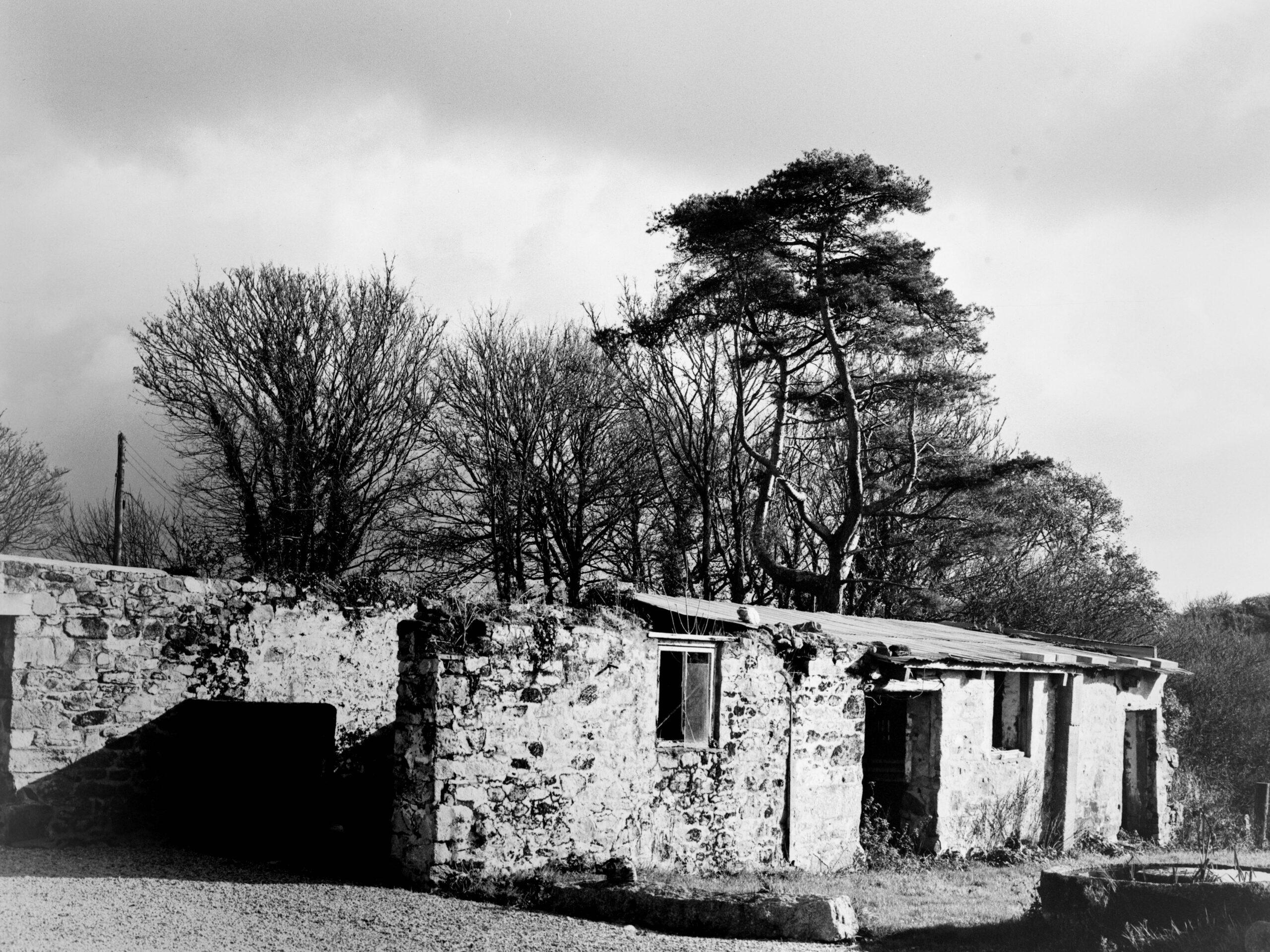
Lucky SHD400 seemed like the perfect gamble.
I shot all three 120 rolls handheld on the Bronica, usually around f/2.8–f/4, fighting Atlantic winds that loved to shove the camera at the worst possible moments. Exposure was kept near box speed, sometimes leaning to EI 320 when shadows grew hungry.
The results surprised me — not because they were perfect, but because they were consistent in their inconsistency. They had a mood. A voice. A sense of age.
What the Community Says About Lucky SHD400 Cheap Chinese Film
Before shooting, I researched SHD400 extensively. Across authoritative sources — including 35mmc, Photrio, various lab reviews, and analogue communities — the same characteristics are often mentioned:
- Thin acetate base that dries very quickly
- Higher contrast than typical budget films
- Noticeable grain, sometimes coarse
- Old-fashioned tonality, almost 1960s in feel
- Occasional QC quirks like coating specks or edge fog
- Best results under generous exposure
None of this put me off. In a world of perfect sensors, flawless lenses and clinical rendering, the idea of something messy and unpredictable felt refreshing.
Lucky SHD400 is a film that asks you to let go of control.
Not Meant for Landscapes — And That’s Fine
Let’s address the big point immediately:
I would not use Lucky SHD400 for landscapes.
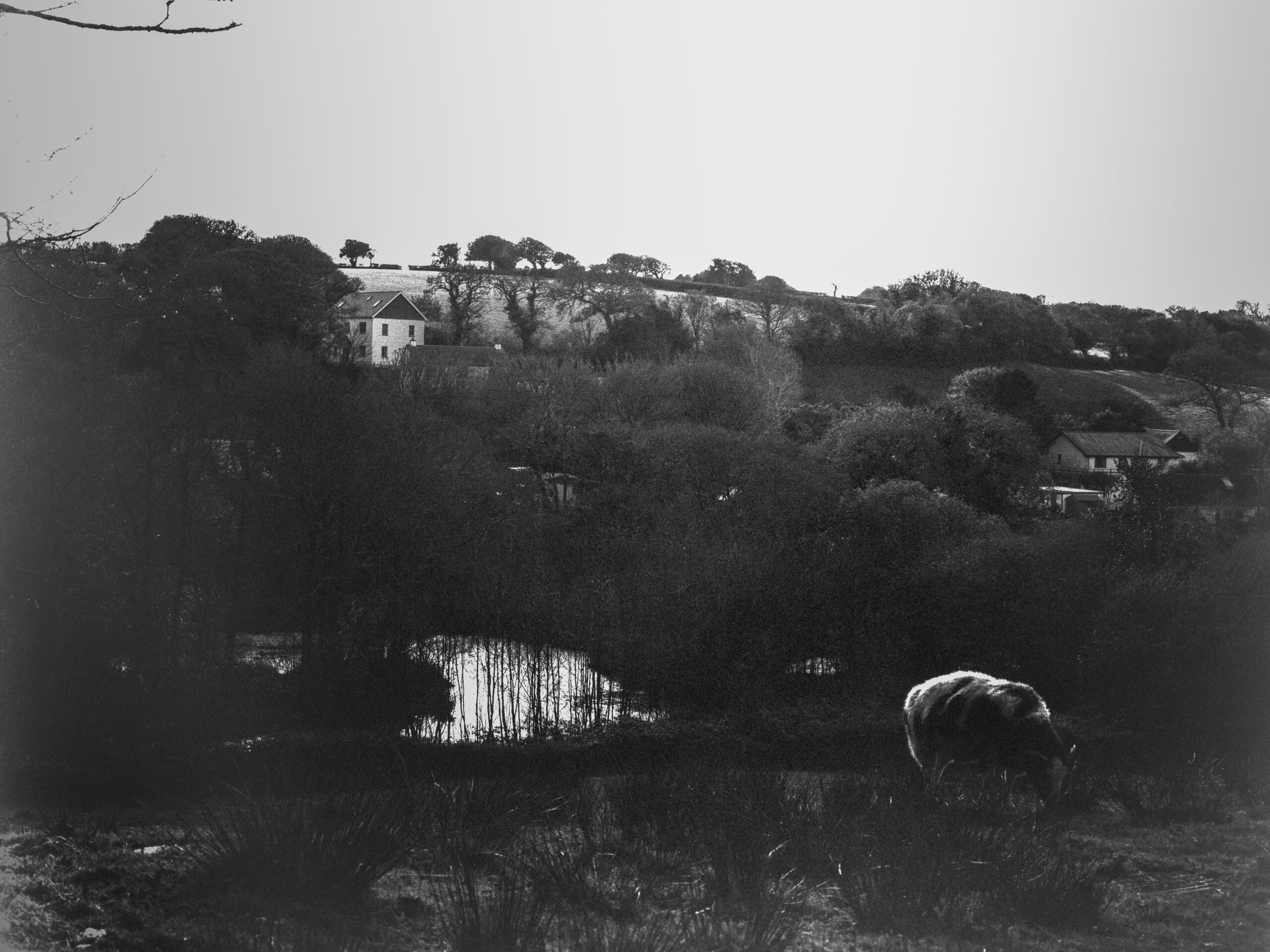
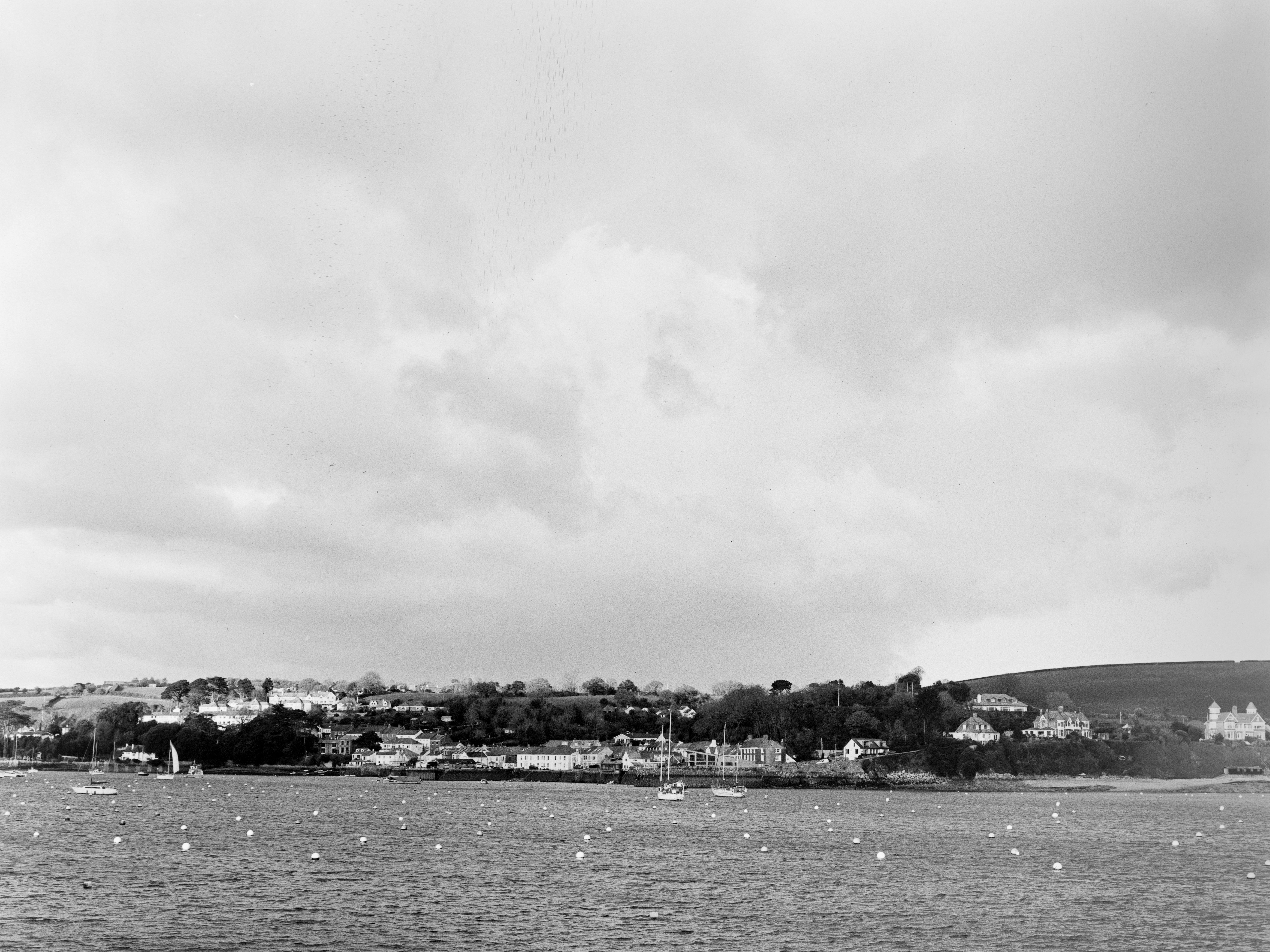
Cornish landscapes need latitude, depth, nuance, highlight control. SHD400 offers none of these generously.
Wide scenes flatten. Highlights block up. Shadows collapse with little warning. Clouds lose detail. Sea spray becomes white patches.
But get close, and the story changes.
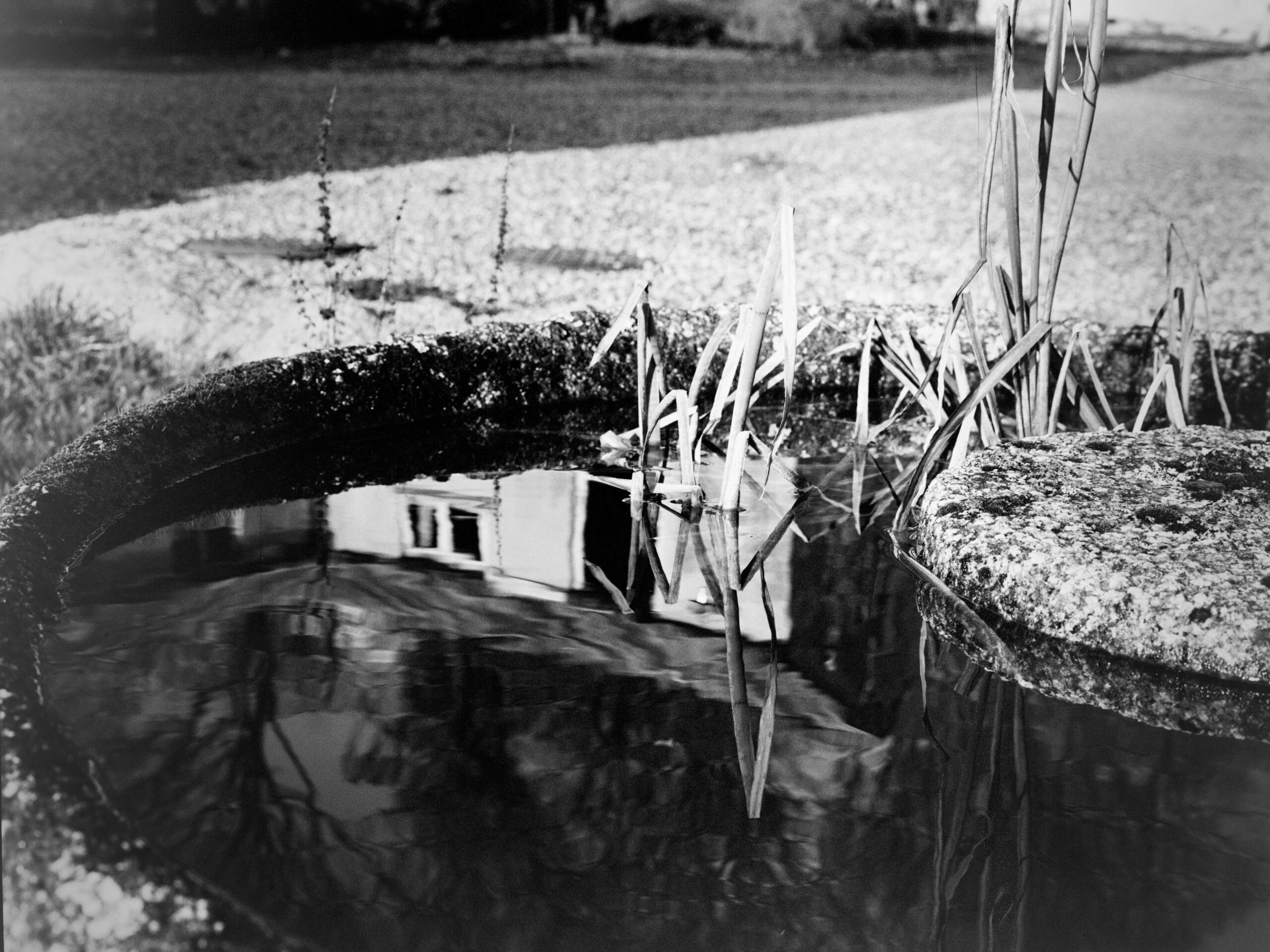
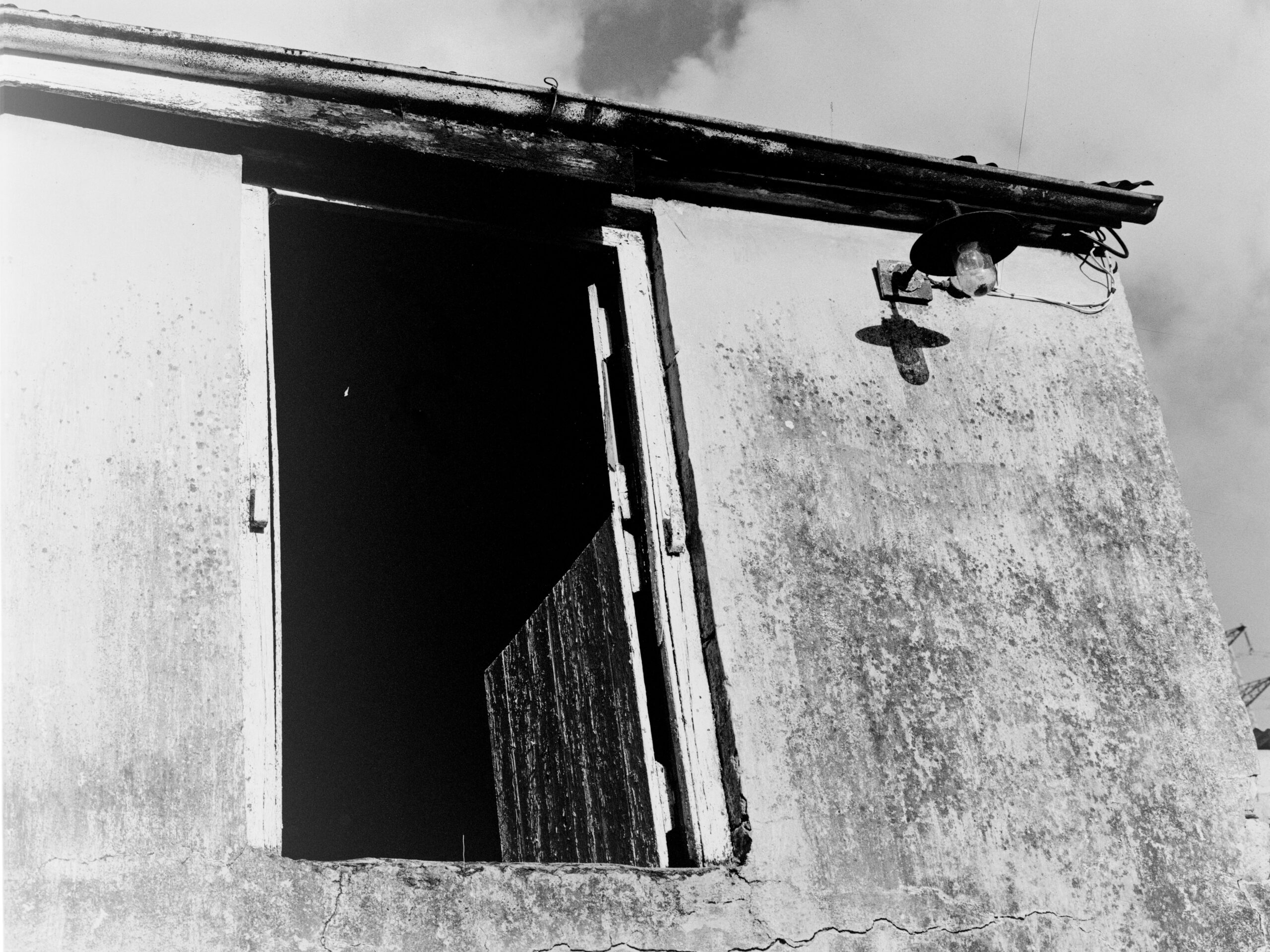
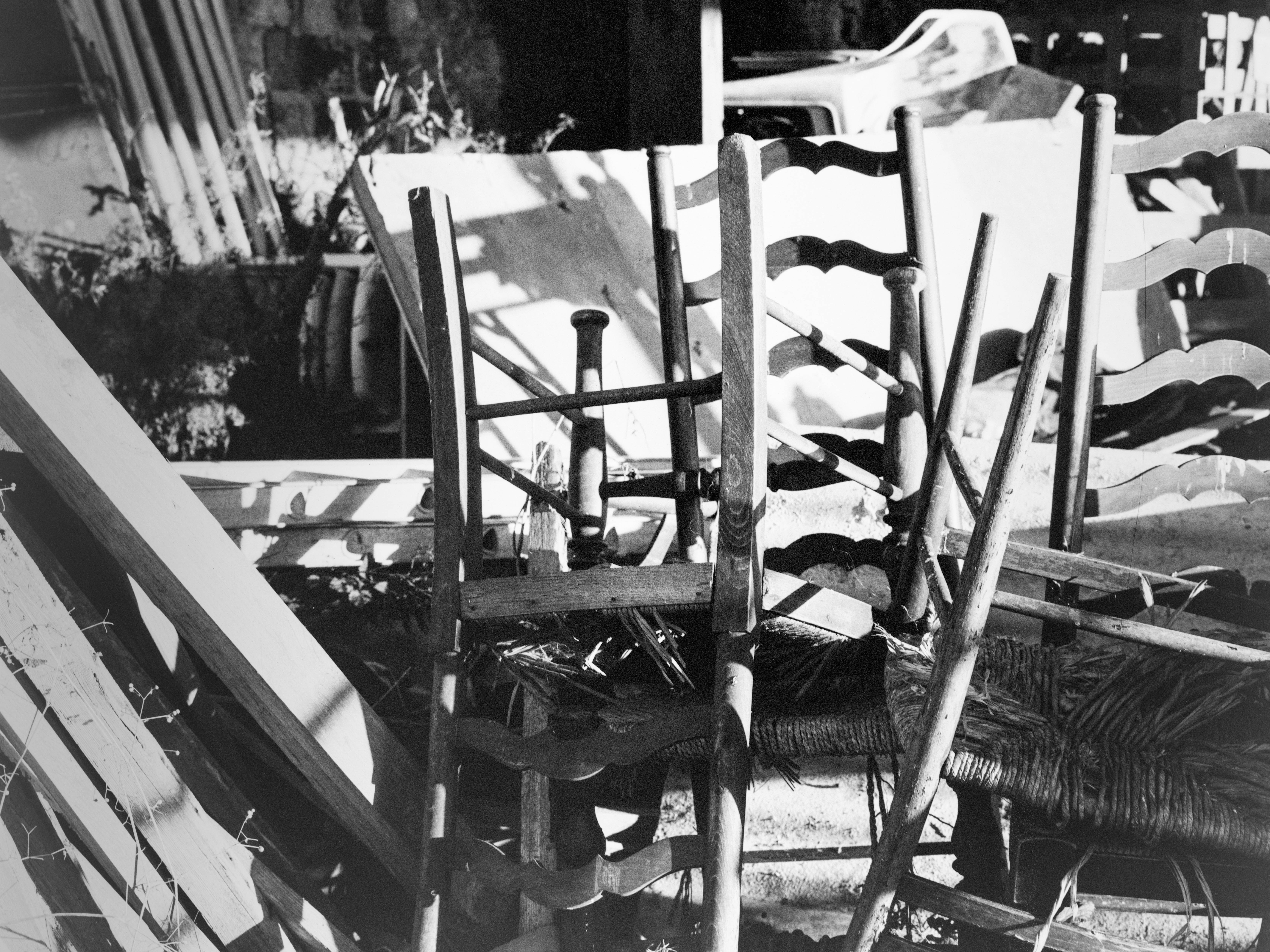
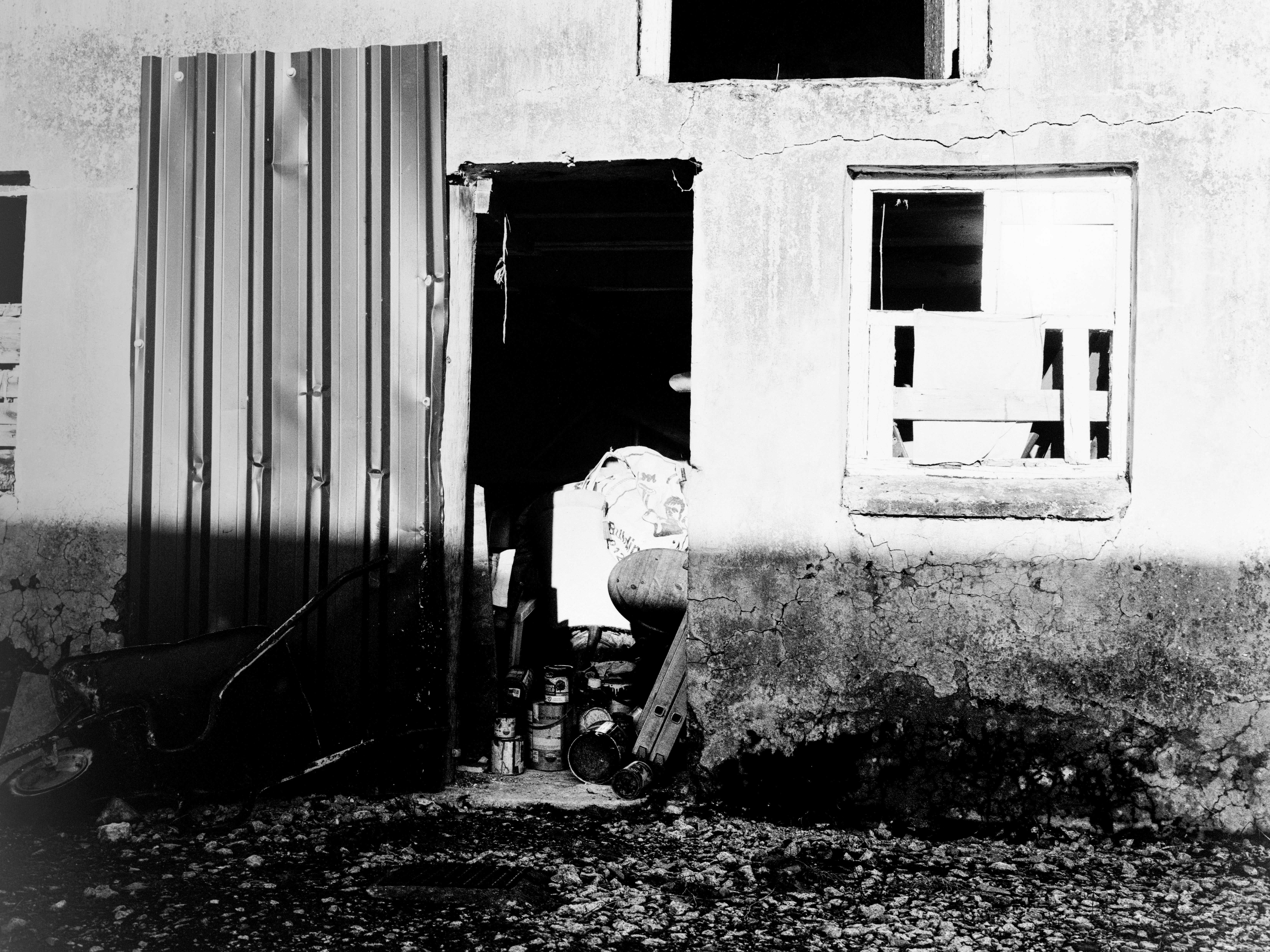
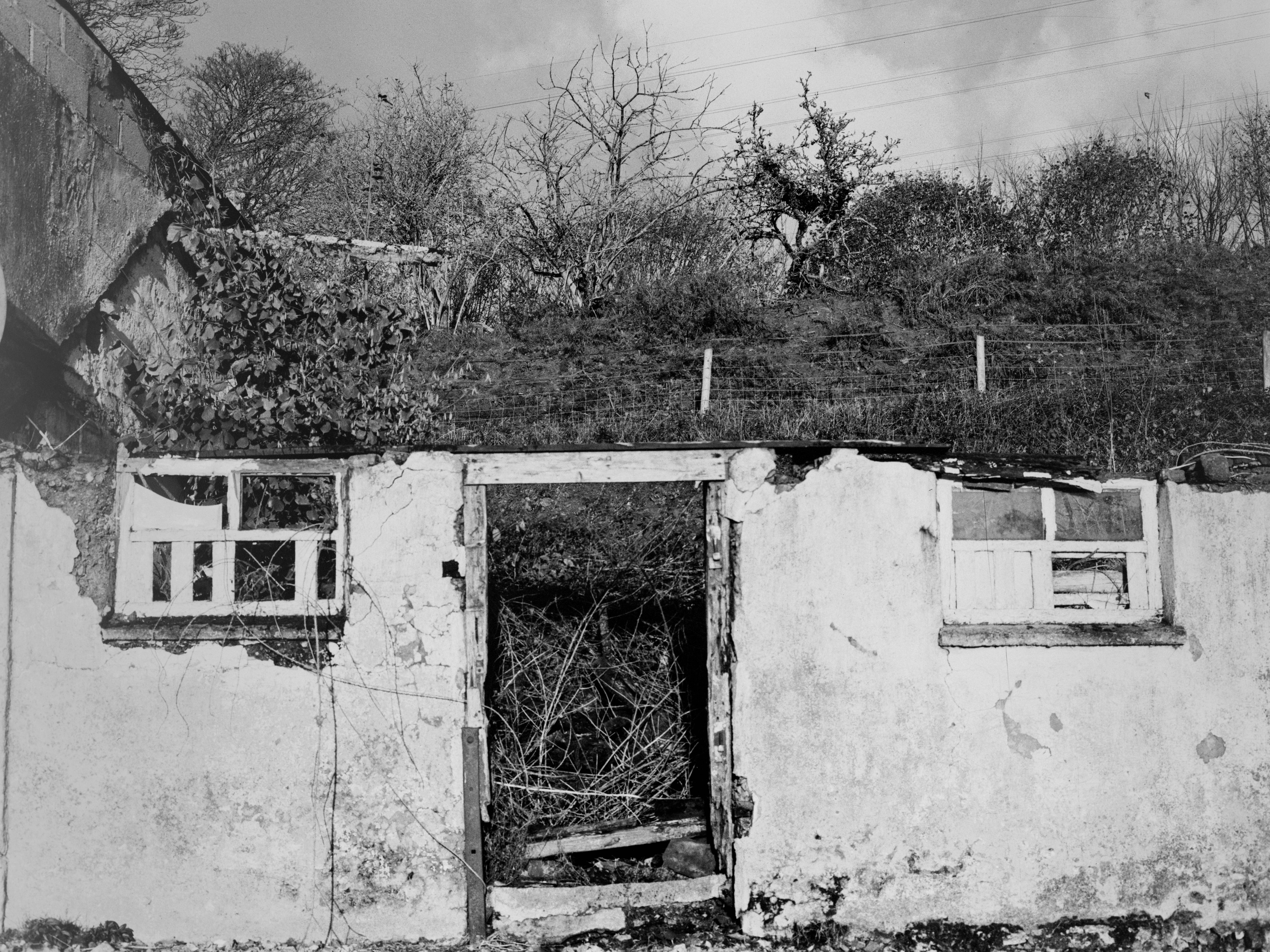
- Rust
- Peeling paint
- Old tools
- Stone
- Ropes
- Weathered wood
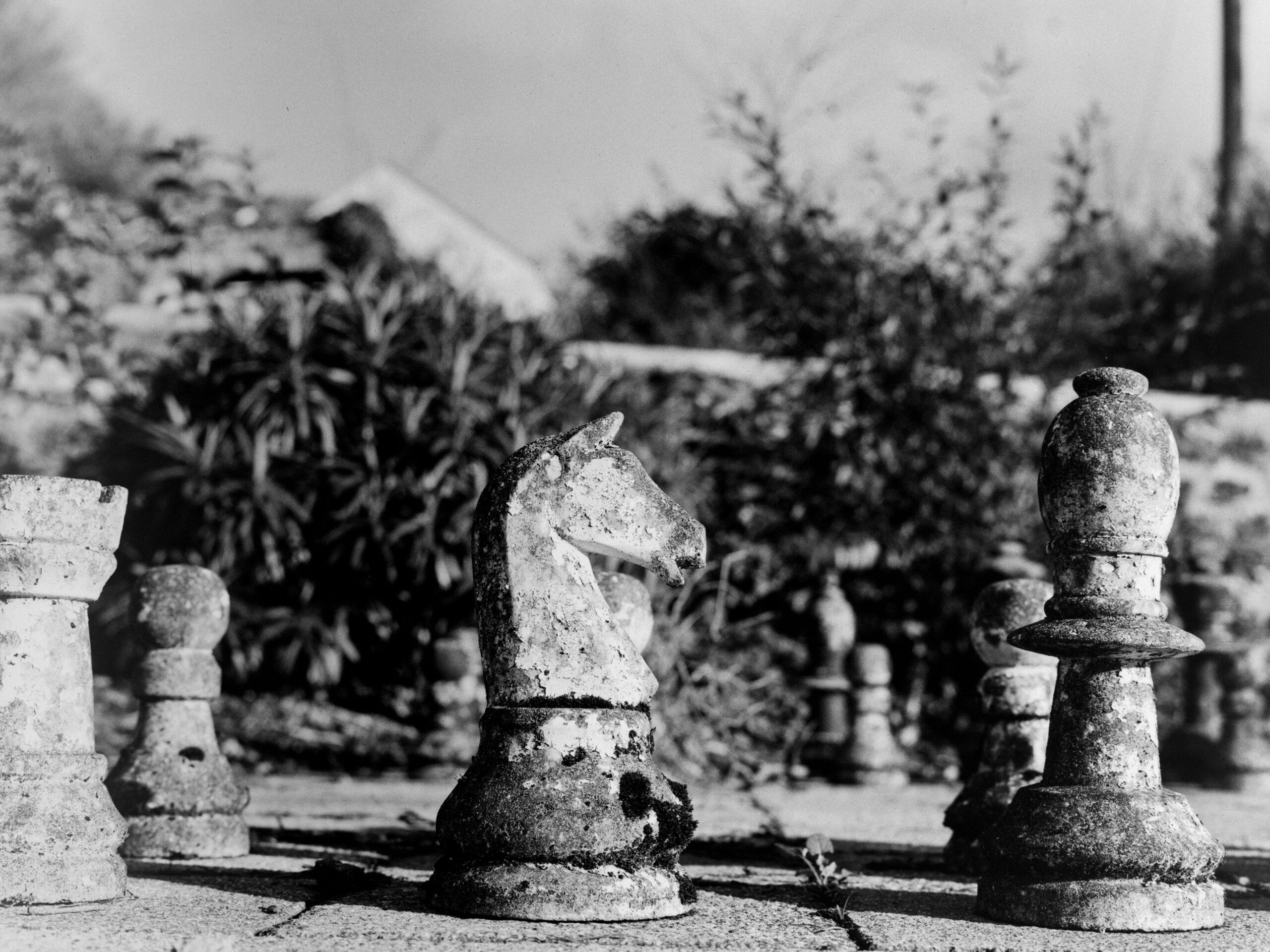
- Moss
- Flecks of salt and iron
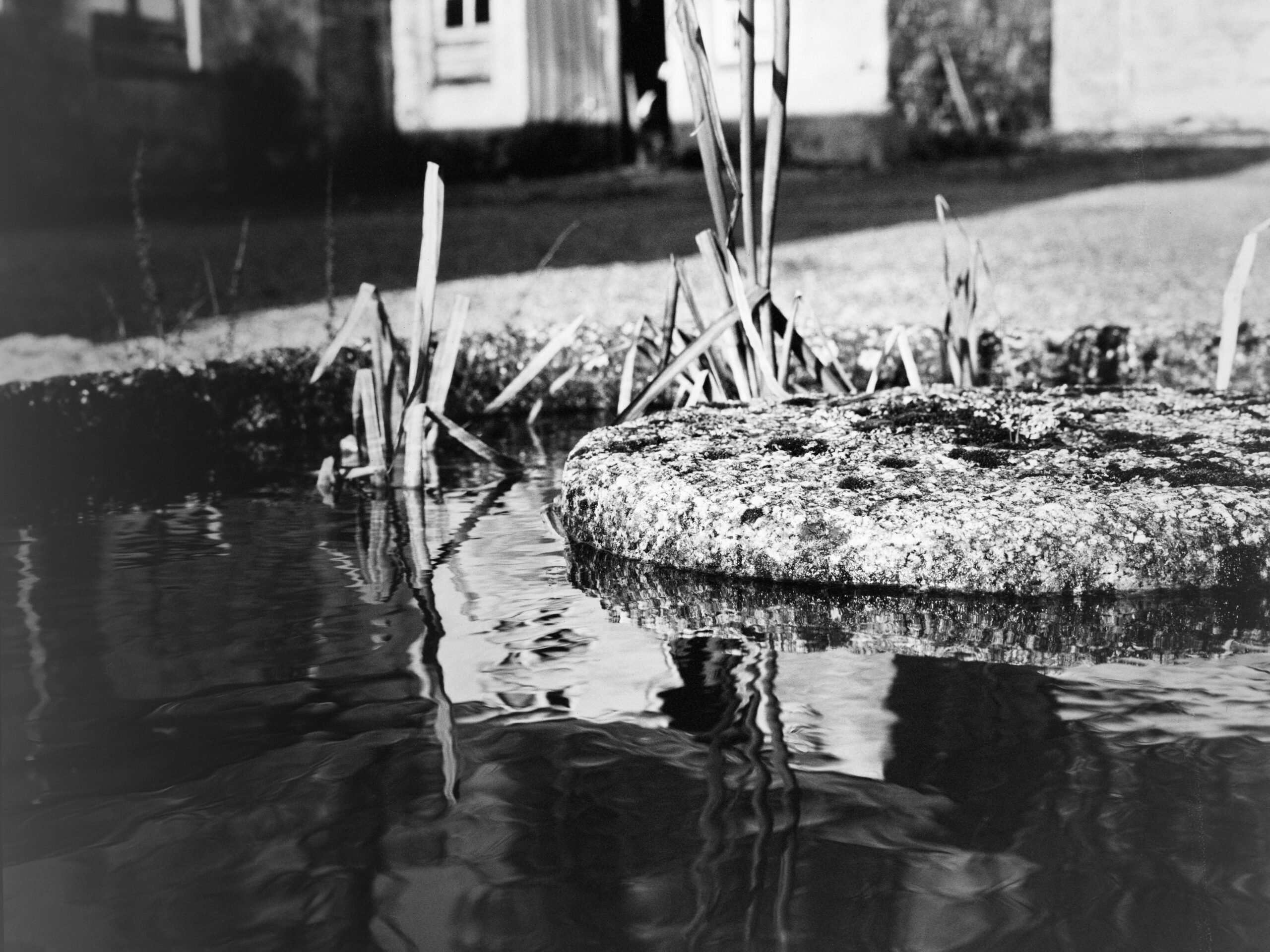
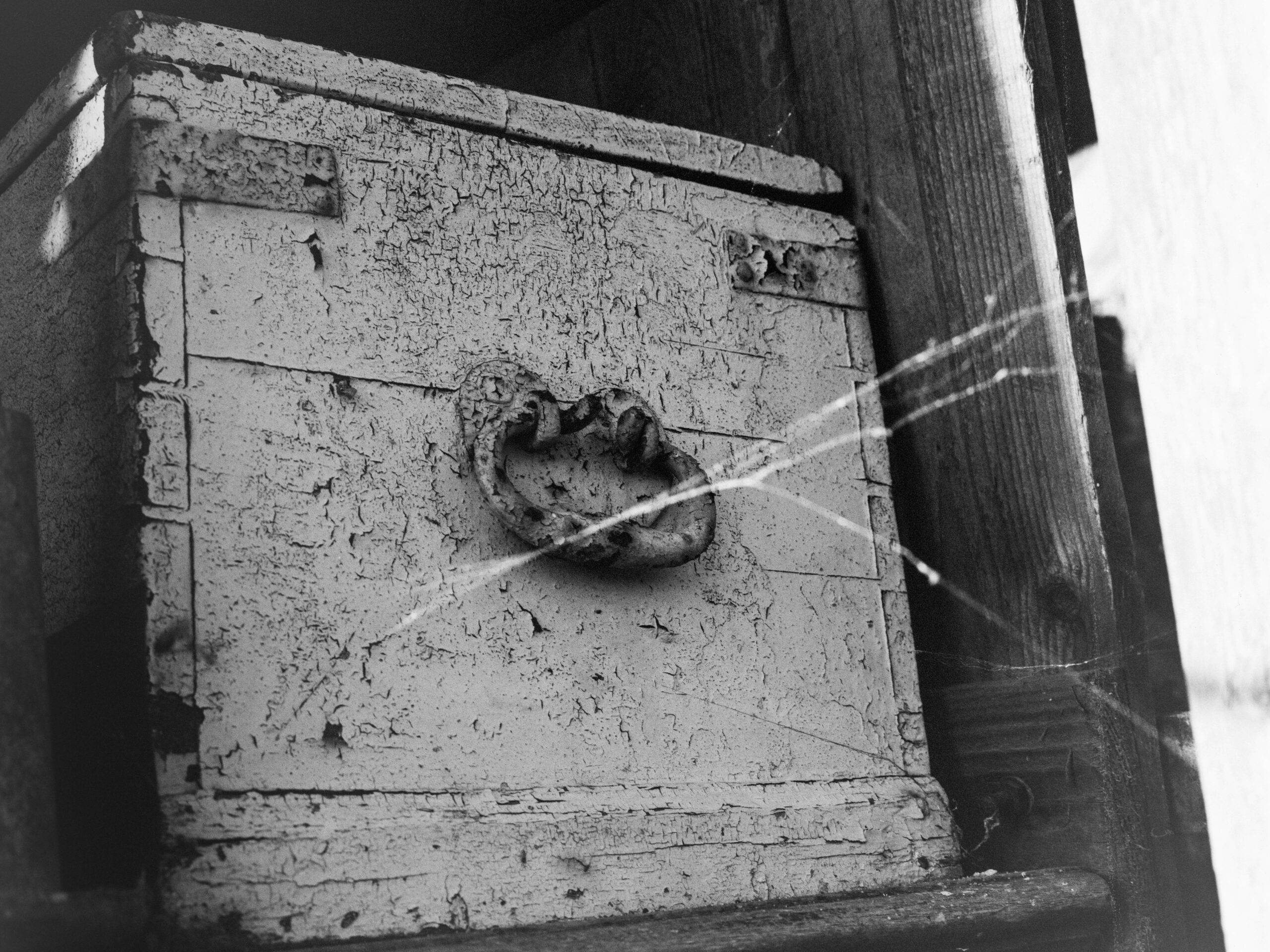
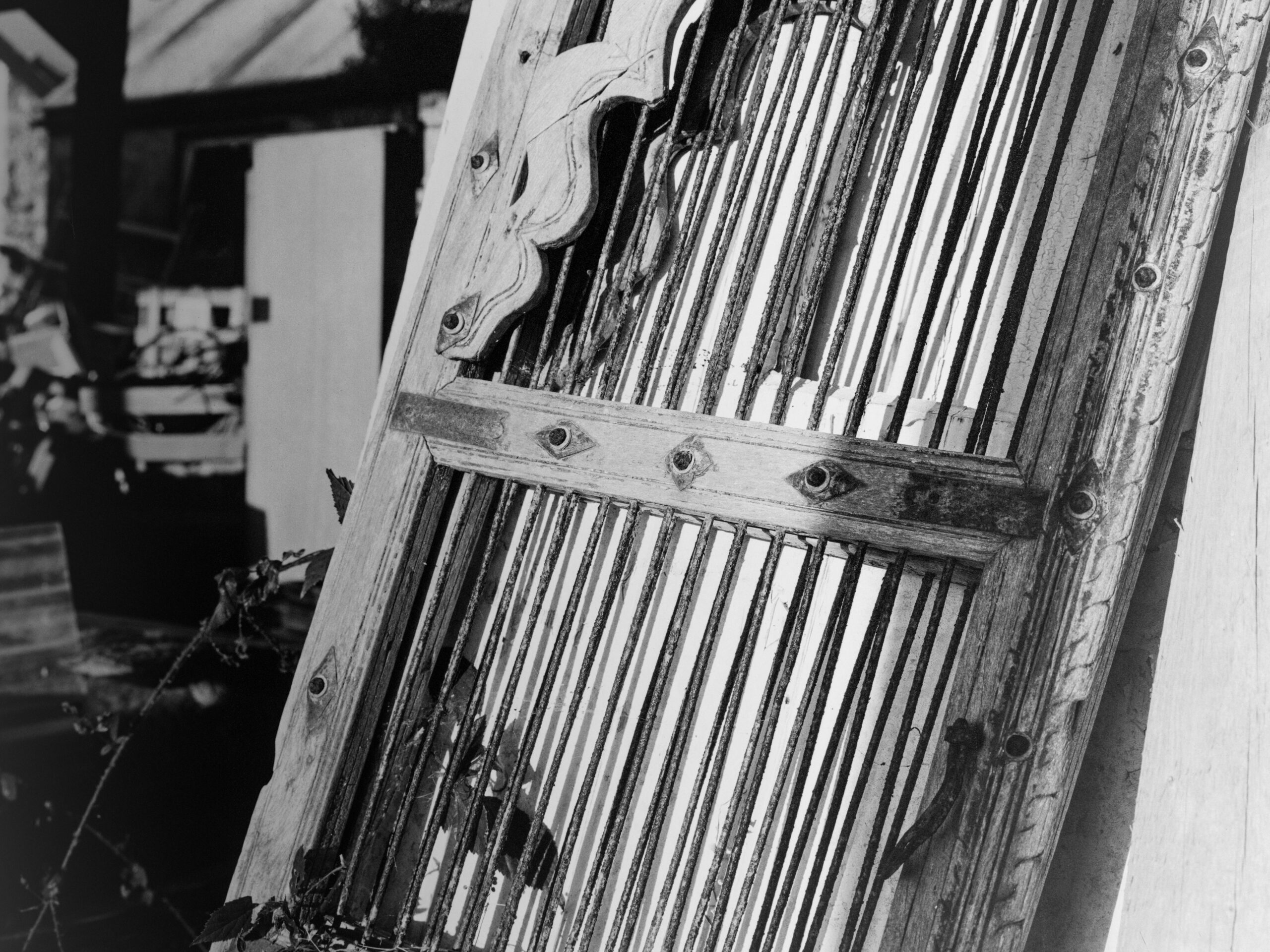
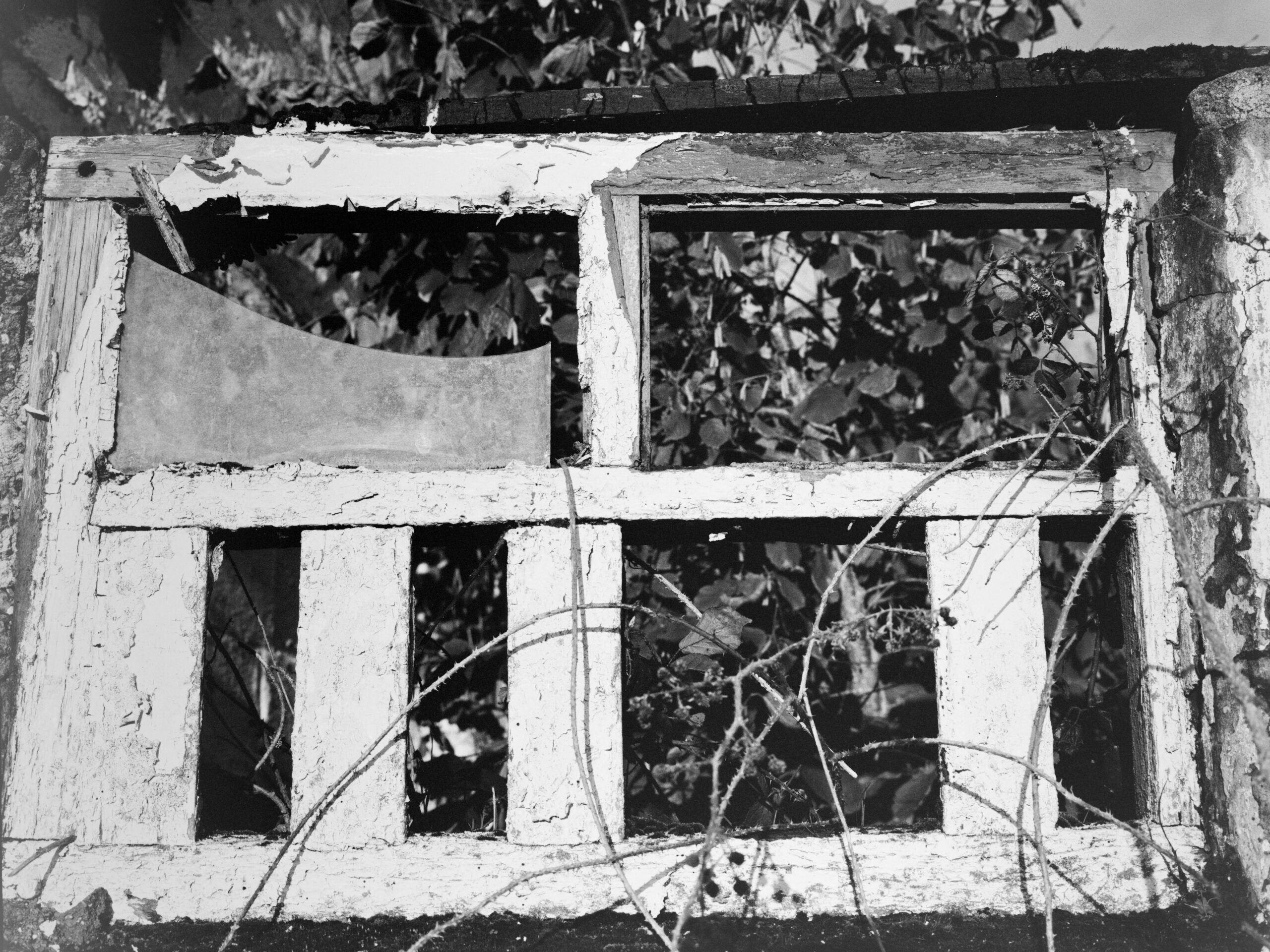
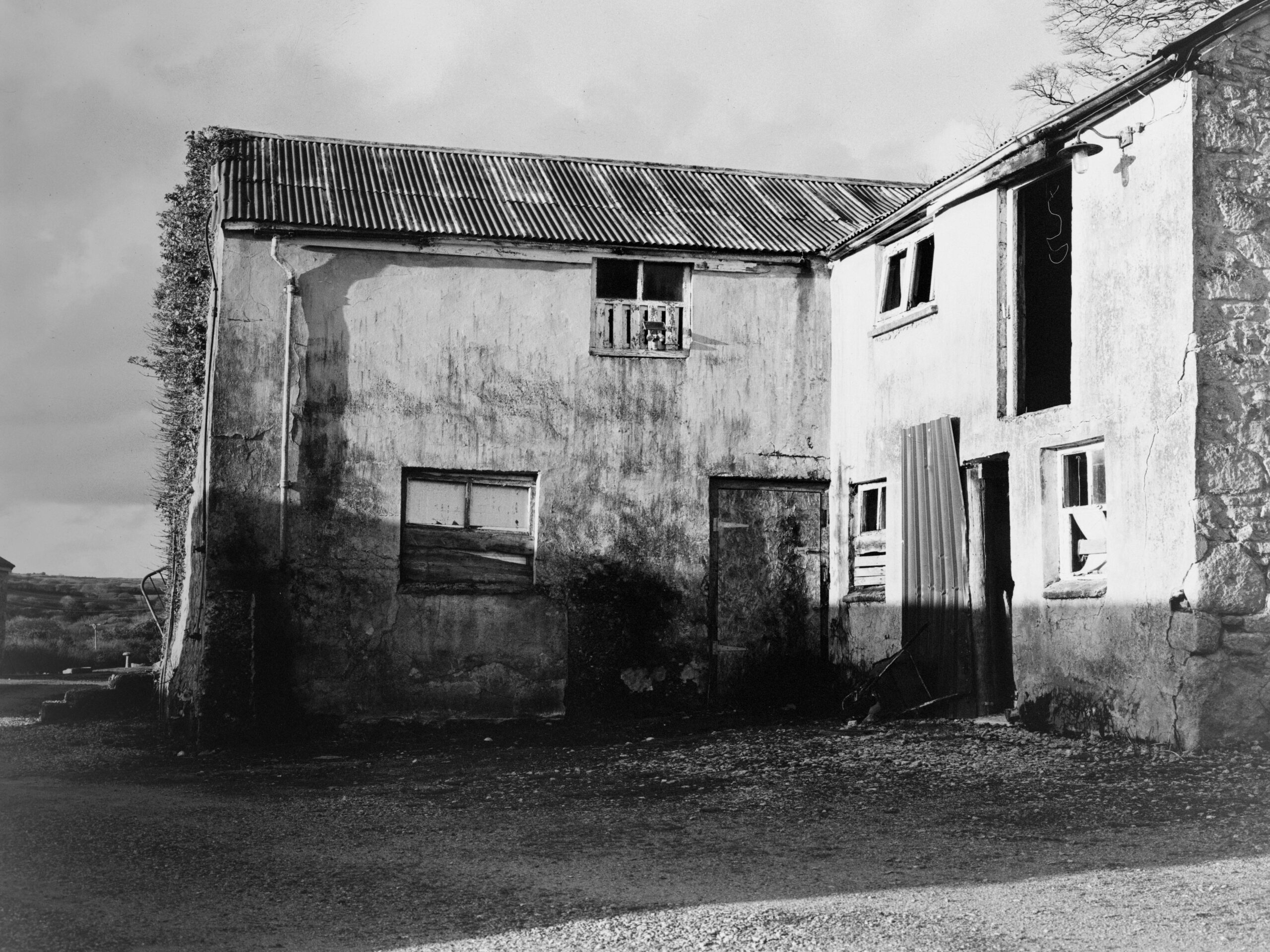
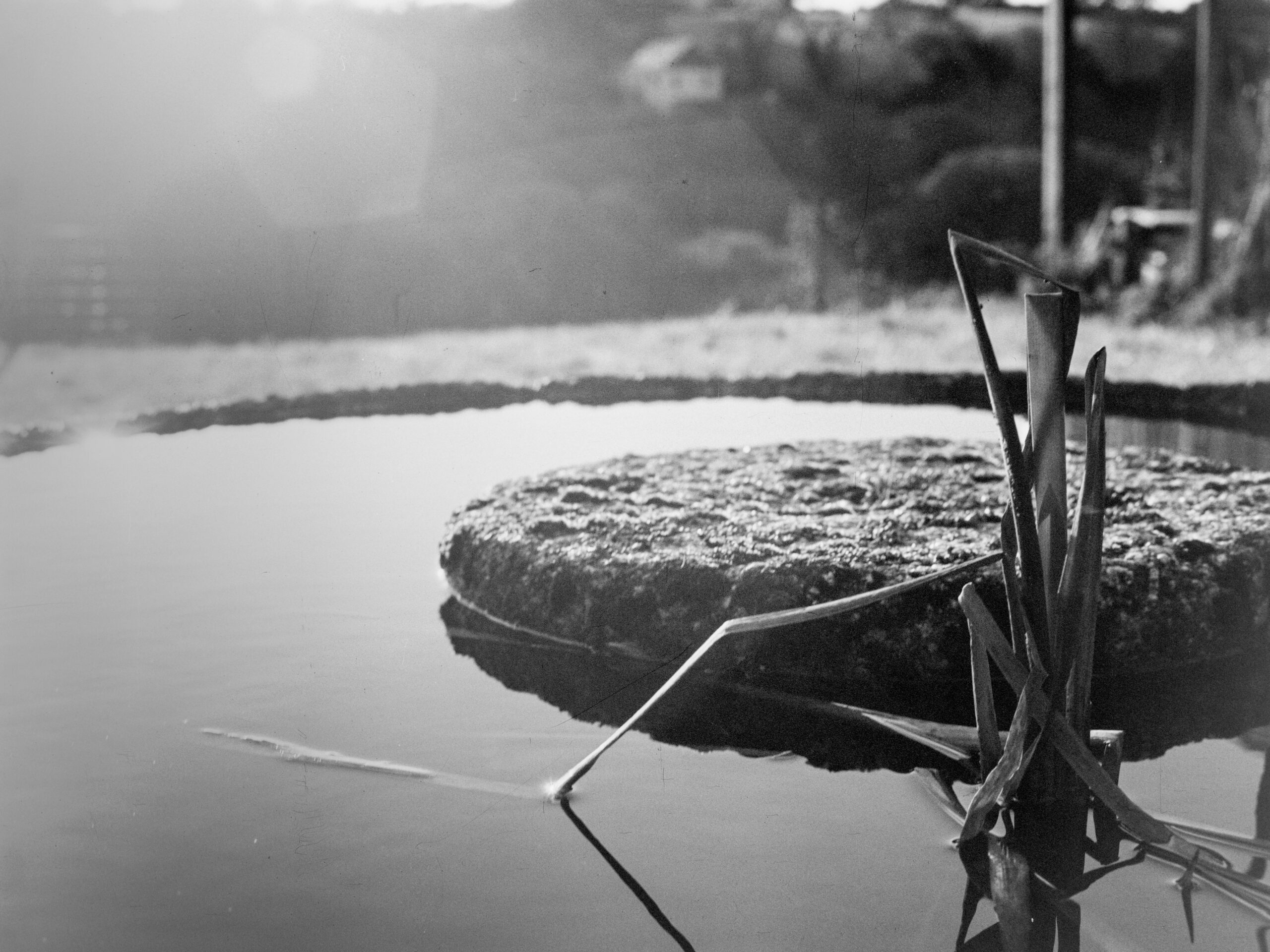
Suddenly the film comes alive. It wants to see broken things. It wants to see textures. It wants to feel haunted by history.
This film doesn’t love horizons.
It loves surfaces.
Image Characteristics
Grain
Chunky. Gritty. Sharp in places, soft in others. Not unpleasant, but definitely pronounced. Perfect for gritty projects and dark subjects.
Contrast
Moderately high, especially in winter light. Indoors or shade can get muddy unless you give it an extra half-stop.
Sharpness
Respectable in centre frame on the Bronica ETRSi. Edges soften slightly. Overall, “old-world” rather than modern.
Tonal Range
Narrower than HP5 or Foma. Shadows can sink; highlights can run. The magic sits in the mid-tones.
Development Notes — Ilfosol 3
I developed all three rolls in Ilfosol 3, mixed fresh at 1+9. Ilfosol 3 gives SHD400 a surprisingly cleaner grain profile than expected, without stripping away its character. It tightens the edges and lifts micro-contrast just enough to help with scanning.
My final working time:
- 7 minutes 30 seconds at 20°C
- 10 seconds agitation at start
- 5 seconds every minute
The film’s thin acetate base was immediately noticeable once wet. It dries in no time — far quicker than Ilford or Kodak films — but curls slightly. A weighted flattening helped.
Development Table
| Parameter | Setting / Result |
|---|---|
| Developer | Ilfosol 3 (1+9) |
| Time | 7m 30s |
| Temperature | 20°C |
| Agitation | 10s start, 5s/min |
| Rinse | Standard |
| Fix | Rapid Fixer 5 minutes |
| Drying | Very fast, slight curl |
| Notes | Thin base benefits from flattening before digitising |
Digitising With the Canon 5DSR — My Only Scanning Method
I’ve never used a flatbed or dedicated film scanner. Every negative I’ve ever digitised, I’ve done so using my Canon EOS 5DSR with a macro lens. It’s a system I trust, and it handles SHD400 beautifully.
The 5DSR’s 50.6MP sensor pulls out:
- individual grain structure
- delicate micro-contrast
- subtle texture in weathered subjects
- strong sharpness without overdoing clarity
I used a basic LED light panel and film holder. The negatives, despite curling slightly, settled nicely after a quick flatten under a book for 10 minutes.
Once captured, the RAW files from the 5DSR respond wonderfully in Lightroom. SHD400’s coarse grain renders like charcoal rather than mush. Its mid-tones feel fuller. Highlights are easier to tame.
For a “budget” film, scanned this way, Lucky SHD400 takes on a cinematic quality.
Lucky SHD400 Review Comparison to Other Films
Against Ilford HP5
HP5 is modern, flexible, dependable. SHD400 is moody, narrow, vintage. HP5 gives you information; Lucky gives you feeling.
Against Kodak Tri-X
Tri-X is the gold standard — smooth, creamy, iconic. SHD400 feels like Tri-X’s wild cousin who listens to punk, smokes roll-ups, and fixes radios in a shed.
Against Foma 400
Foma or Fomapan is SHD400’s closest opponent in price and vibe. Foma has better highlight retention. Lucky has a more antique atmosphere, deeper blacks, and a “smokier” look.
Where Lucky SHD400 Truly Shines
This film absolutely glows when you point it at:
- abandoned machinery
- rusted gates
- corroded boat fittings
- ropes and nets
- broken windows
- forgotten paths
- peeling paint
- moss-coated stone
- scrapyard textures
- industrial ruins
These are the subjects where its grain and contrast sing.
Project Idea 1: Salt, Paint & Iron
Weather-beaten surfaces across old coastal towns.
Project Idea 2: The Tools We Left Behind
Old tools, broken objects, decaying utility.
Project Idea 3: Ghosts of Industry
Old railway metalwork, collapsing fences, abandoned infrastructure.
SHD400 is not for beauty.
It is for history.
My Experience: 34 Frames Worth Keeping
From the three rolls, 34 images survived my editing process. Some were soft from the wind. Some had shadows that collapsed earlier than expected. A few had edge halation.
But the ones that worked?
They really worked.
The images feel like found memories. Not clean. Not sharp. But emotional. Dark. Textured. Atmospheric.
Lucky SHD400 made Cornwall feel like a place pulled from the past and worthy of mention in my guides to film photography.
Pros & Cons
Pros
- Extremely affordable
- Fast-drying negatives
- Unique old-world look
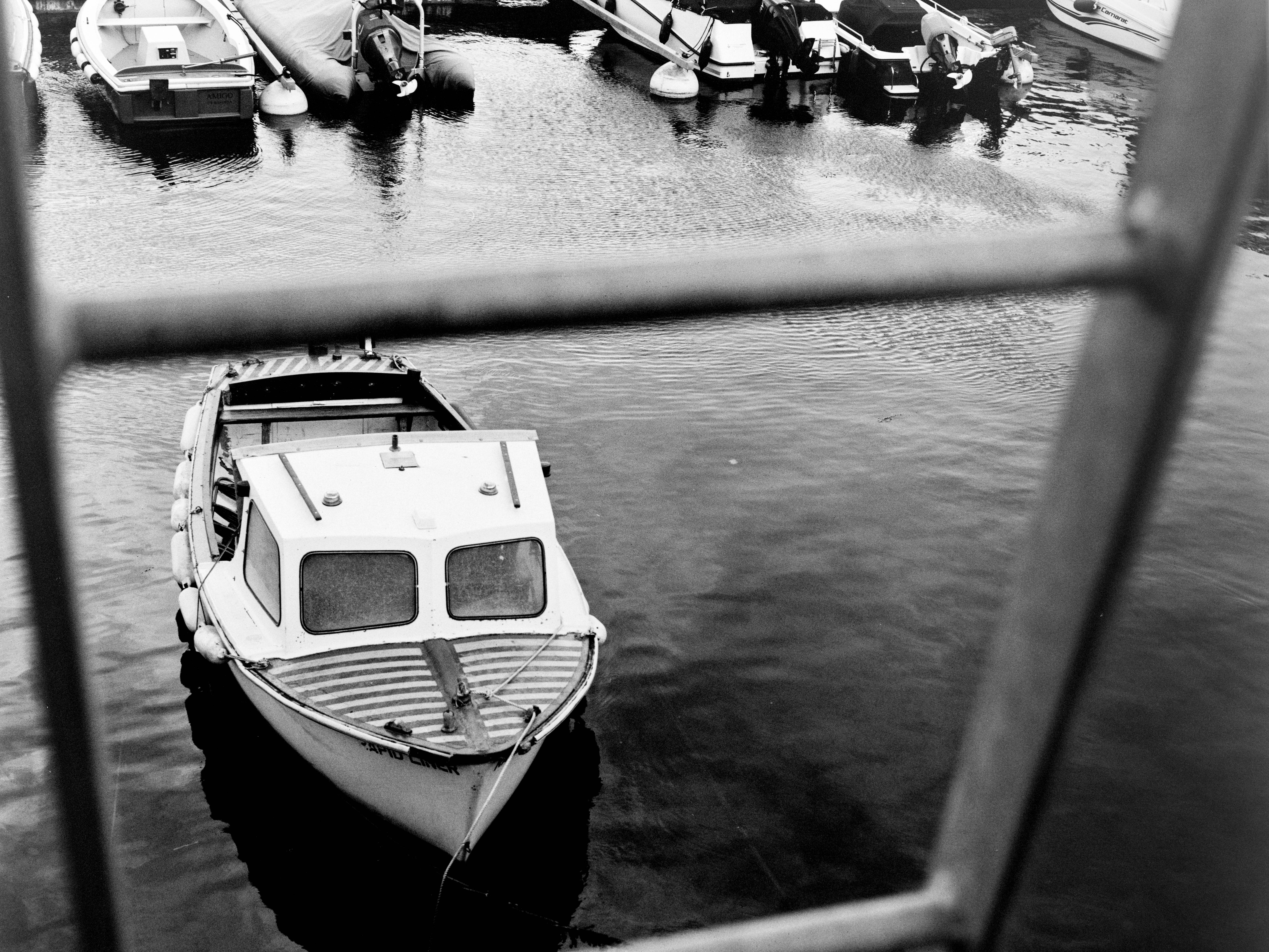
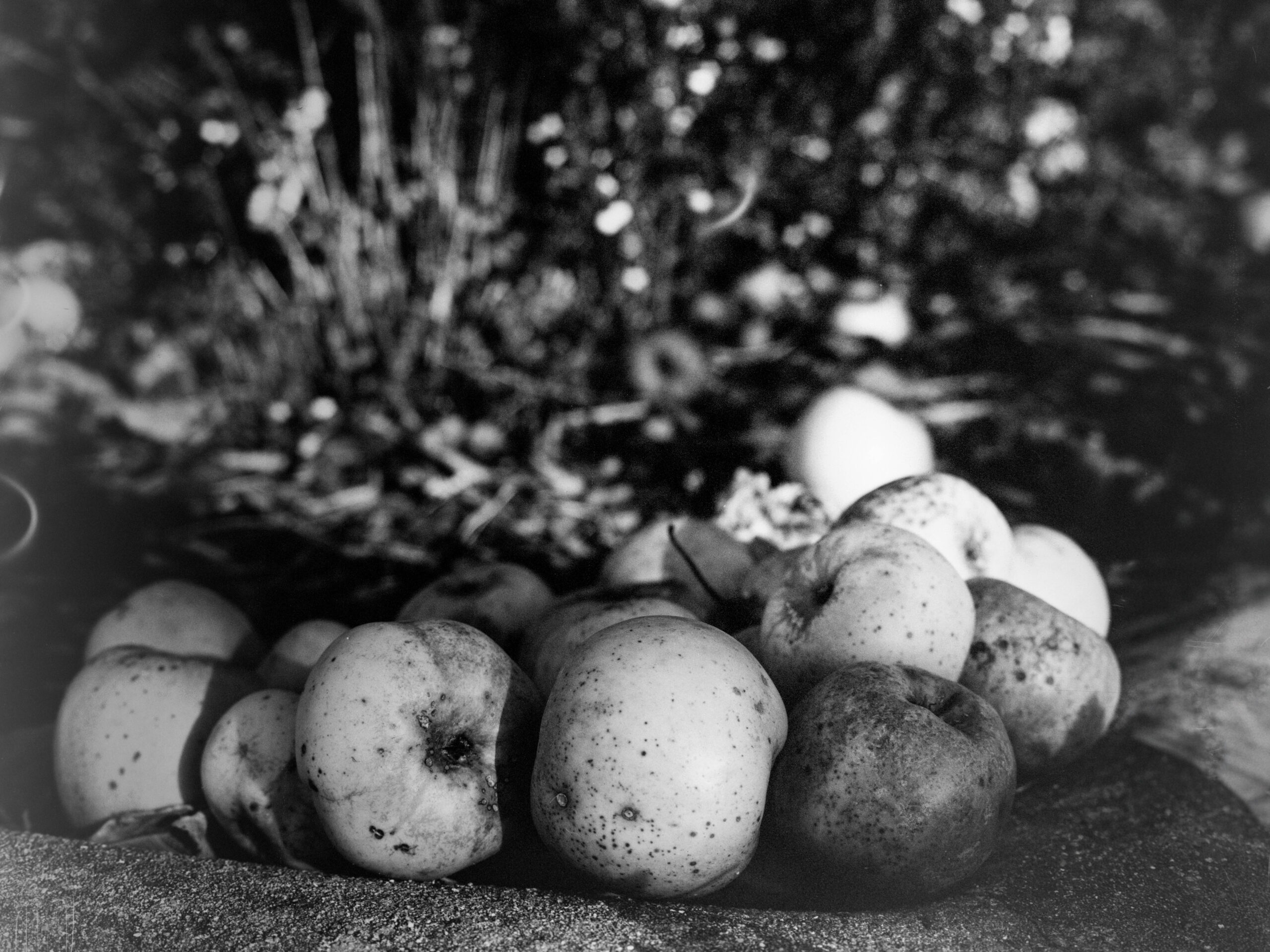
- Beautiful for textures
- Great DSLR scanning results
- Strong atmosphere
Cons
- Unpredictable contrast
- Not suited for landscapes
- Narrow tonal range
- Occasional quirks
- Thin base curls
If you’re wondering where to buy black & white film in the UK, I’ve put together a practical buying guide.
Learn where to buy Lucky SHD400 and other budget films in the UK via our Buying Guide
Table: When to Use Lucky SHD400
| Scenario | Rating | Notes |
|---|---|---|
| Landscapes | ❌ Poor | Highlights blow, detail suffers |
| Close textures | ✔️ Excellent | Perfect subject matter |
| Portraits | ⚠️ Mixed | Needs soft light |
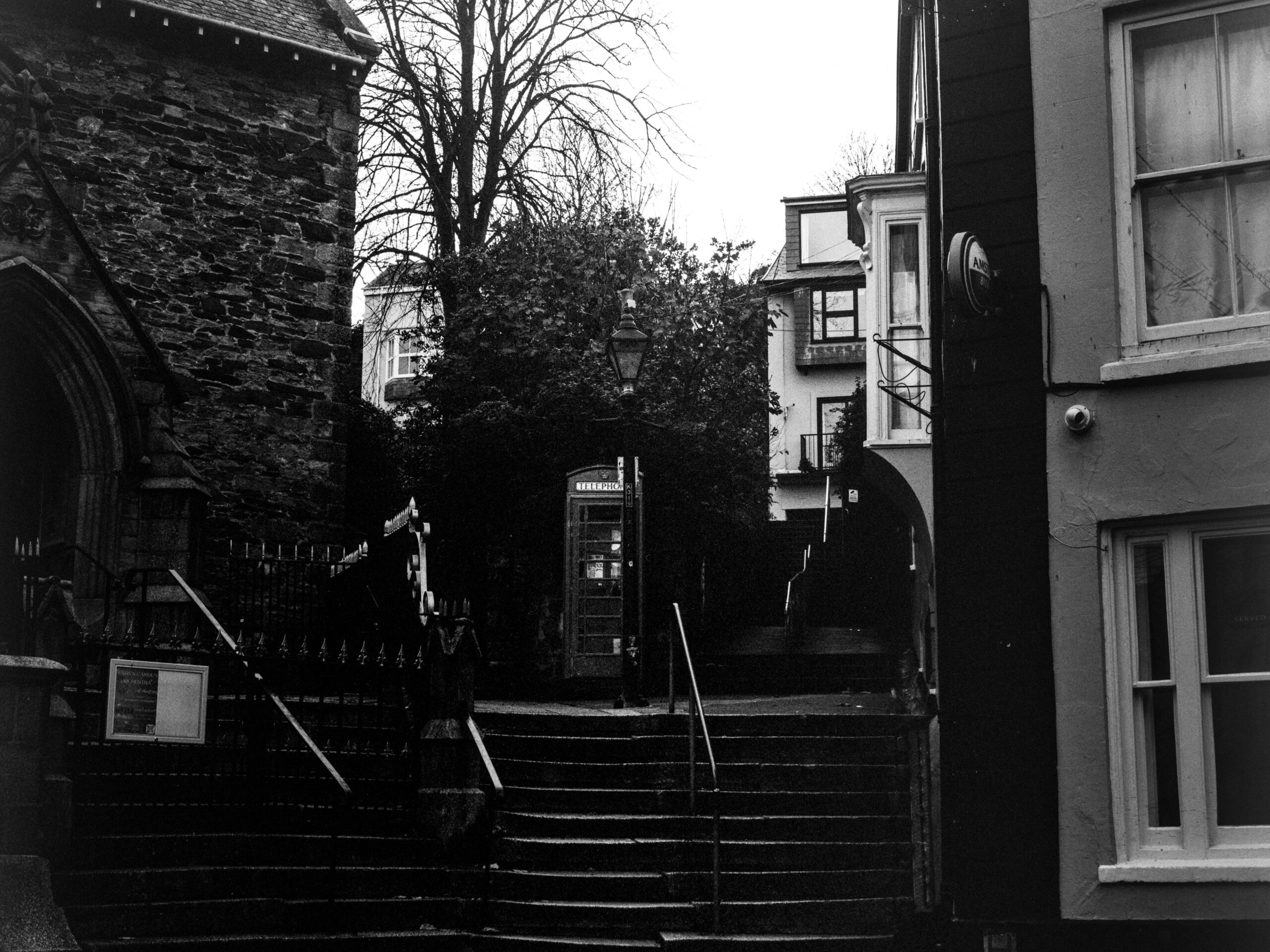
| Street | ✔️ Good | Gritty, cinematic look |
| Night | ⚠️ Grainy | Needs careful metering |
| Abstract / decay | ⭐ Stunning | Ideal film for decay |
FAQ — Lucky SHD400 (120)
Is Lucky SHD400 good for beginners?
Only if they embrace imperfection. It rewards experimentation, not precision.
Should I use it for landscapes?
No — there are far better options.
Can it be pushed?
+1 is okay. Beyond that, contrast and grain get unruly.
Is the thin base a problem?
Not really. It curls but flattens easily.
Is DSLR scanning a good match?
Absolutely. High-resolution DSLR scanning makes this film shine.
Final Thoughts and Gallery of Images
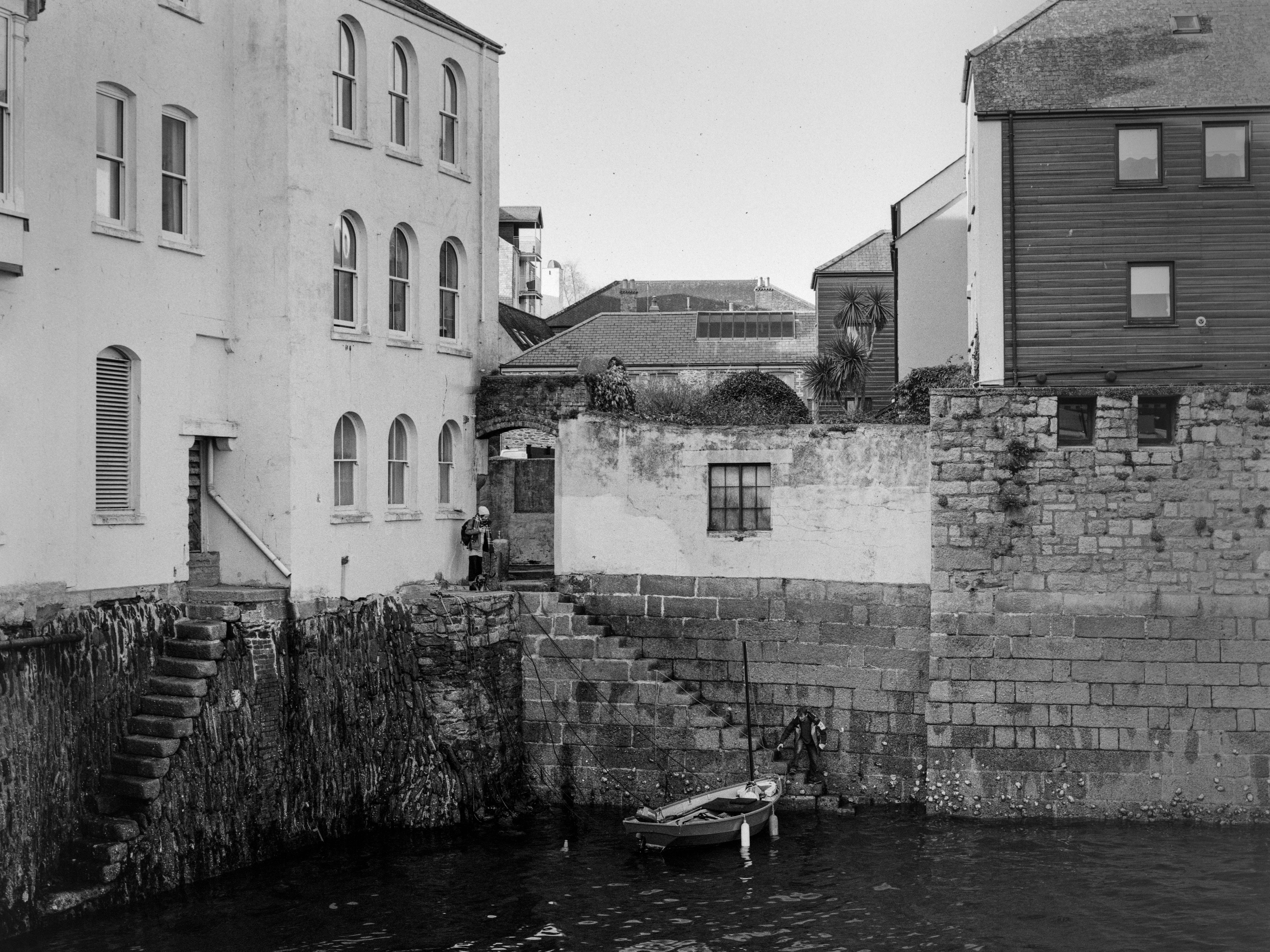
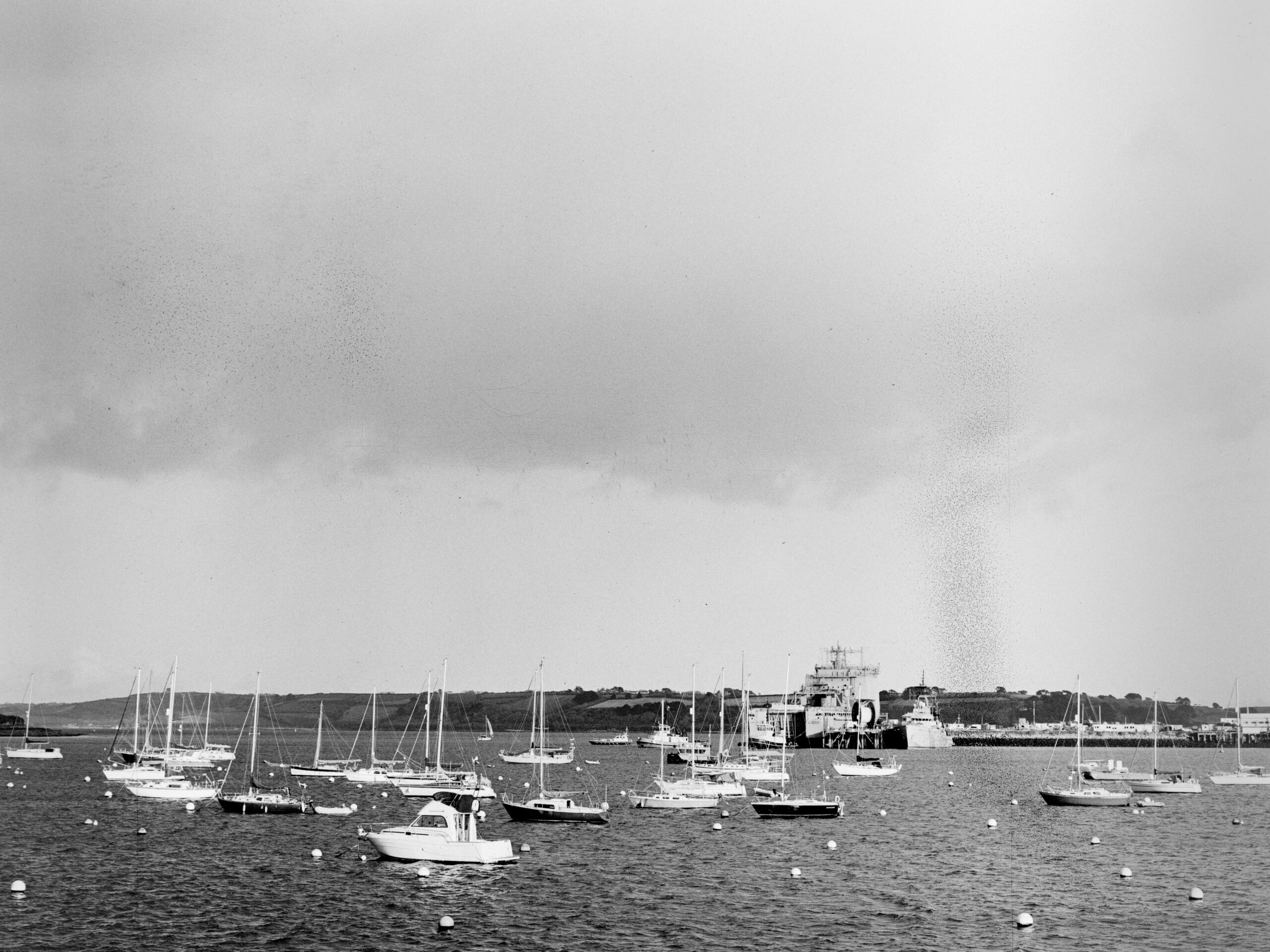
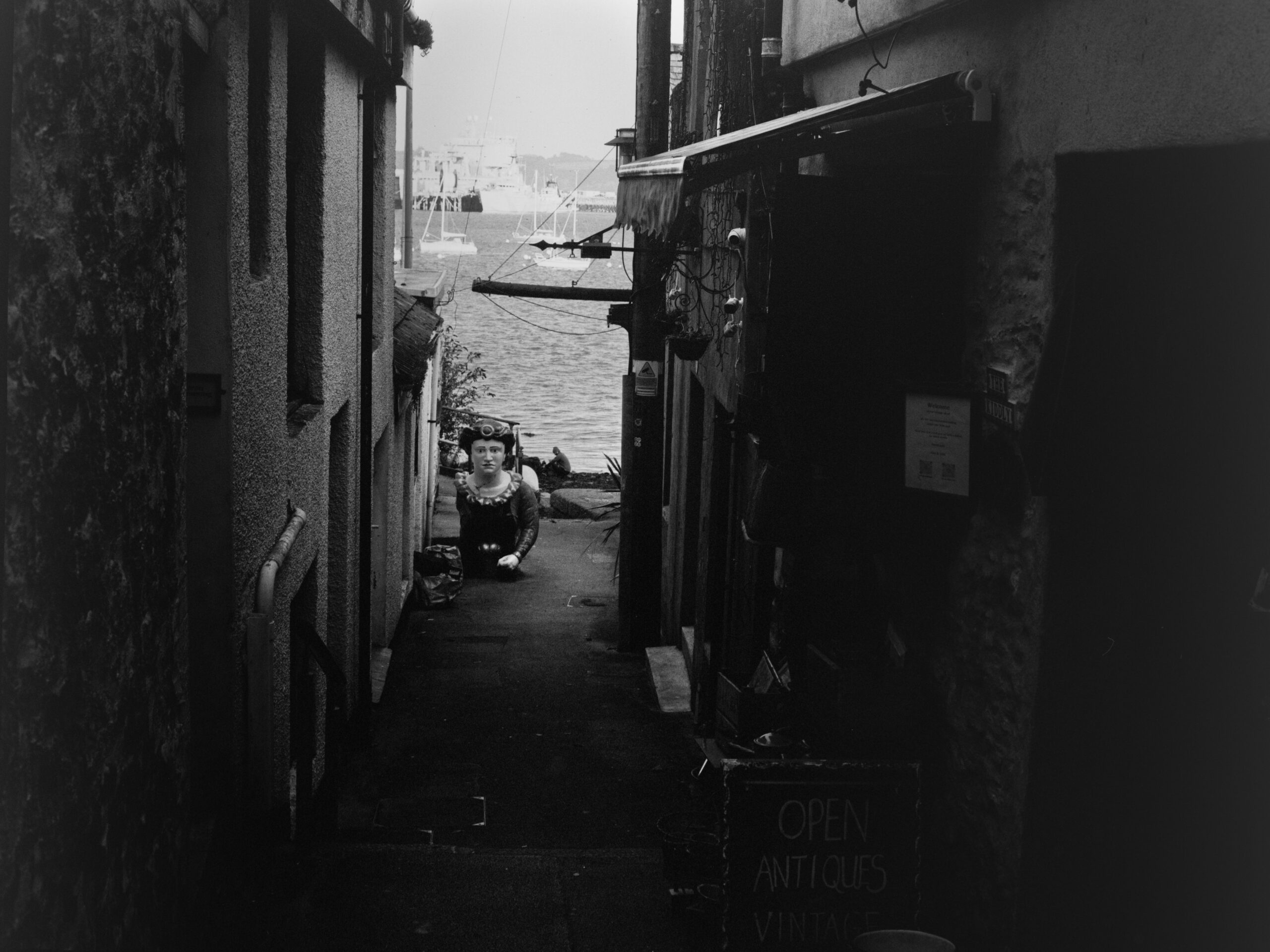
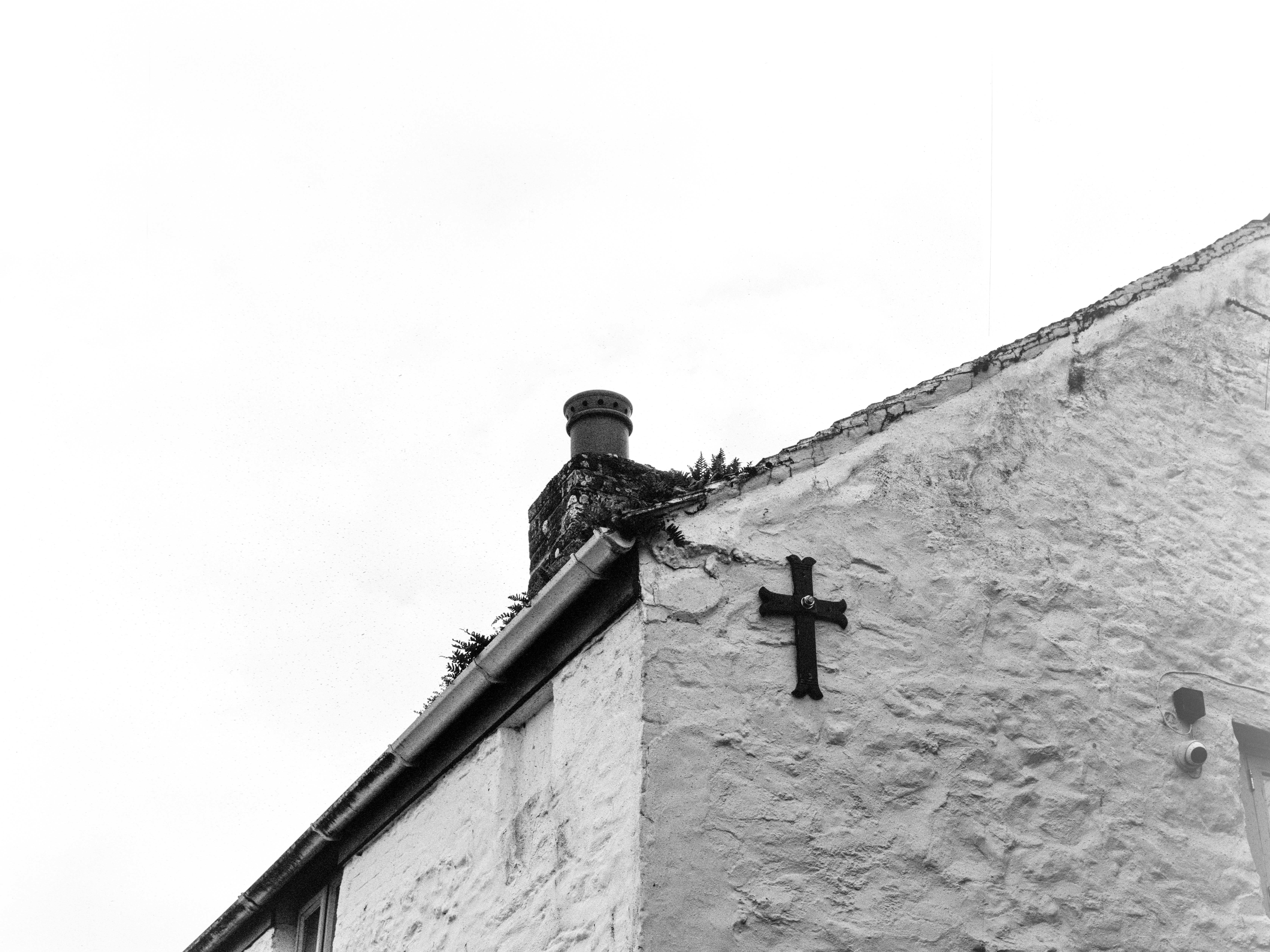
Lucky SHD400 is not for everyone — but it is absolutely for me. It’s a film full of character, mood, and grit. A film that tells stories softly and imperfectly. A film that suits the themes I keep coming back to: loneliness, decay, forgotten things, weathered surfaces, and the beauty of age.
It will never replace HP5.
It will never compete with Tri-X.
It will never impress someone looking for perfect negatives.
But it will impress anyone who values atmosphere.
And for me, atmosphere is everything.
I’ll keep Lucky SHD400 stocked on my shelf — not for every trip, not for every project, but for the days when I want a film that feels as worn and human as the subjects I like to photograph.
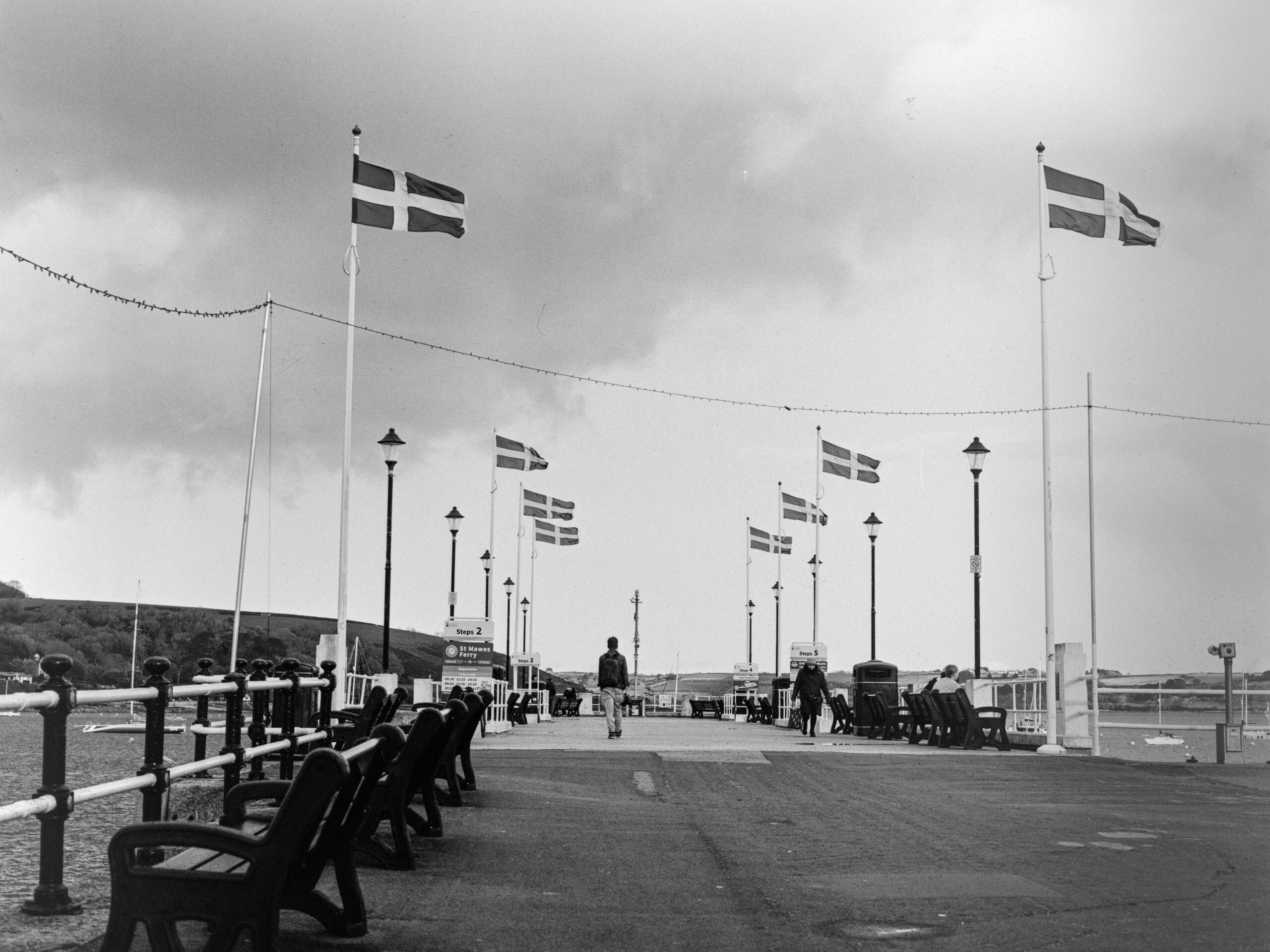
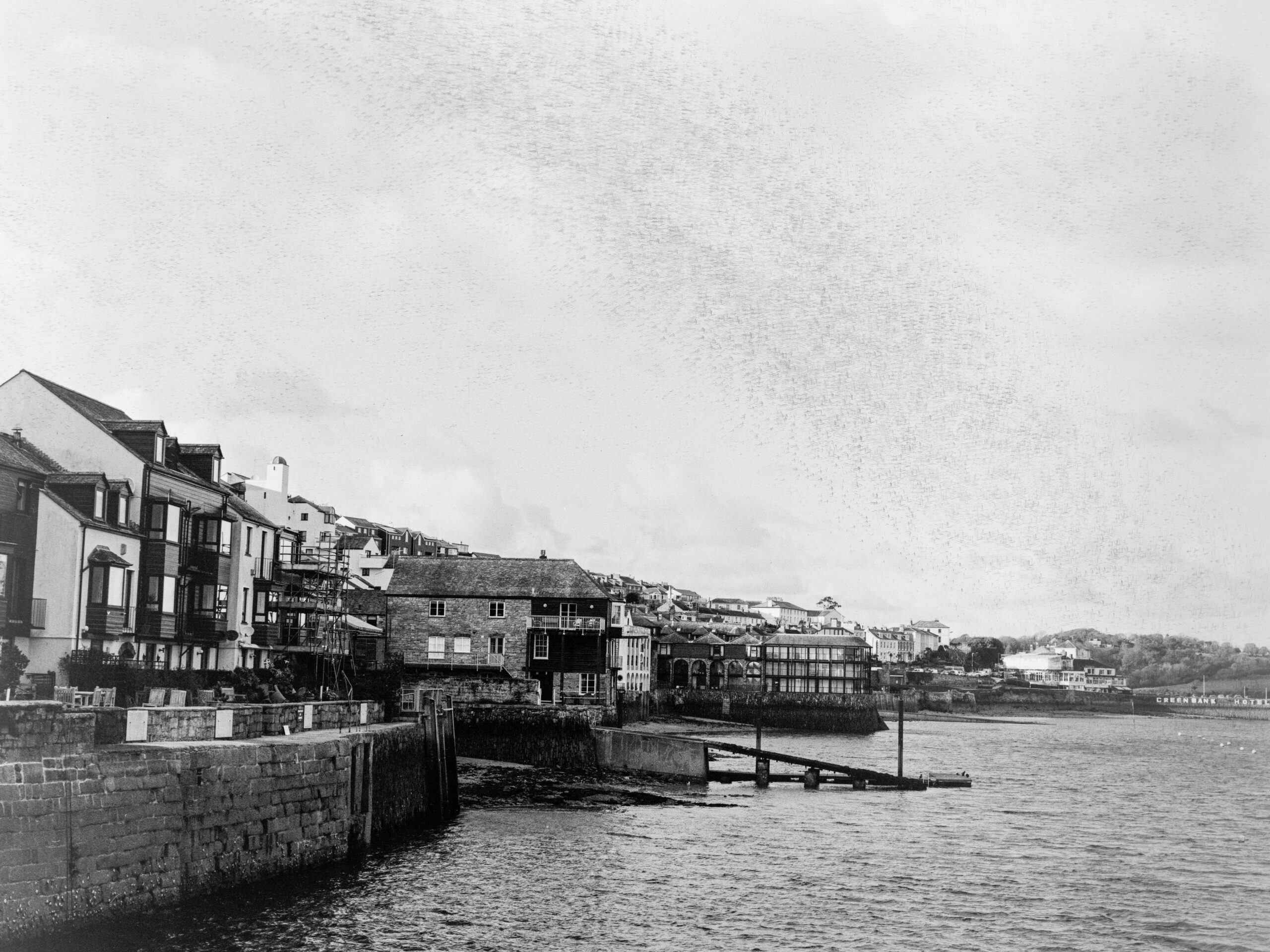

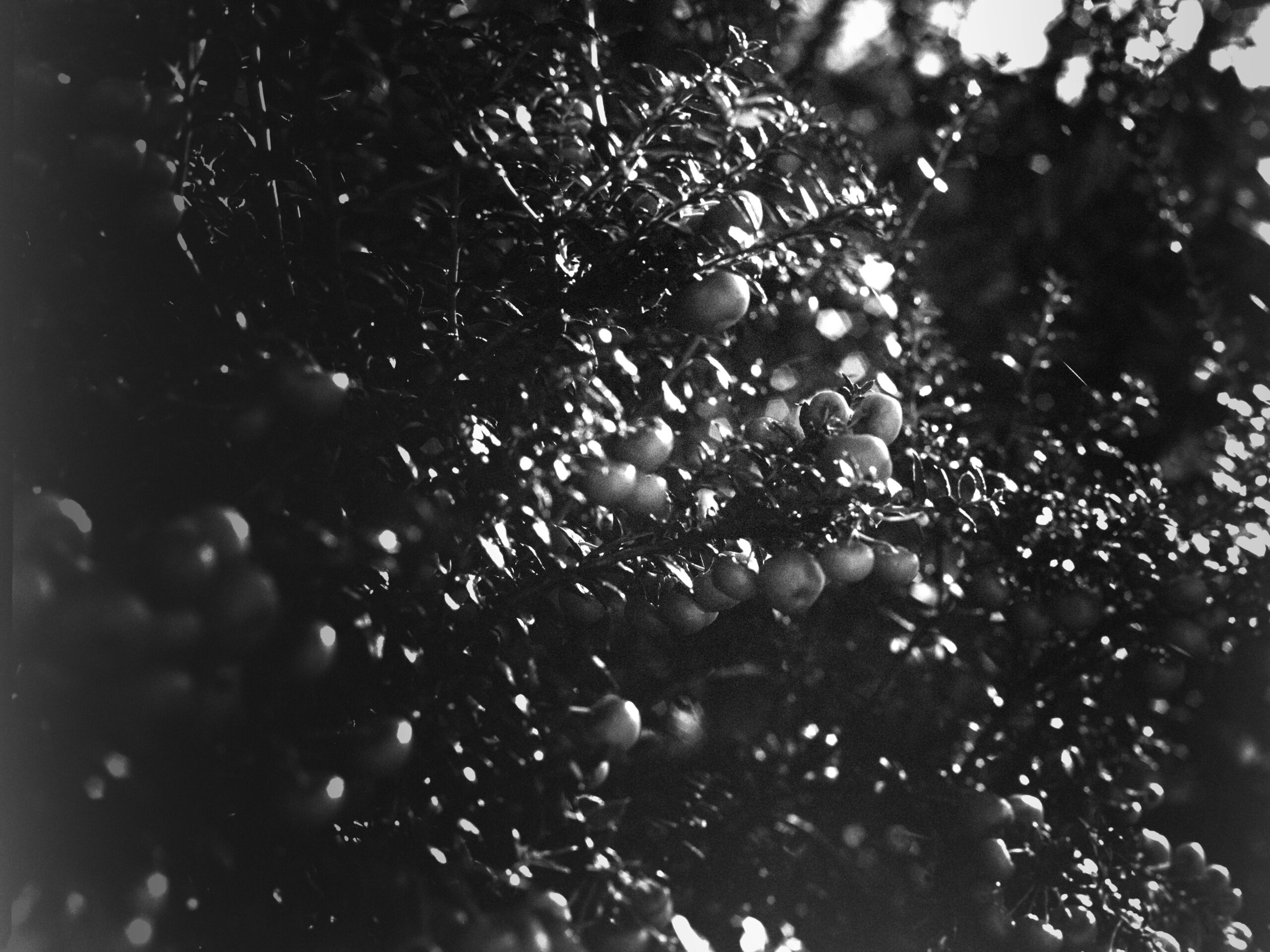
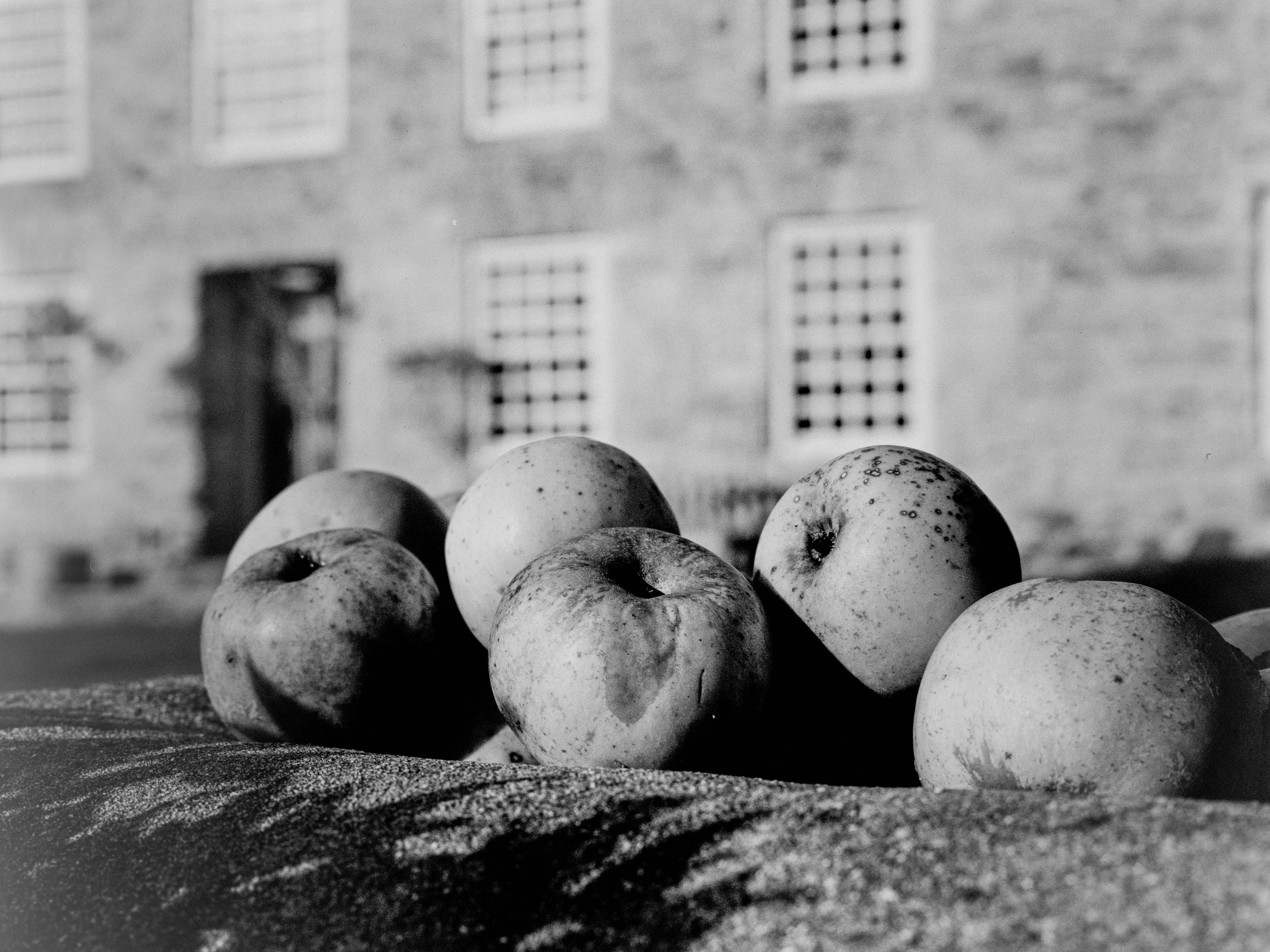
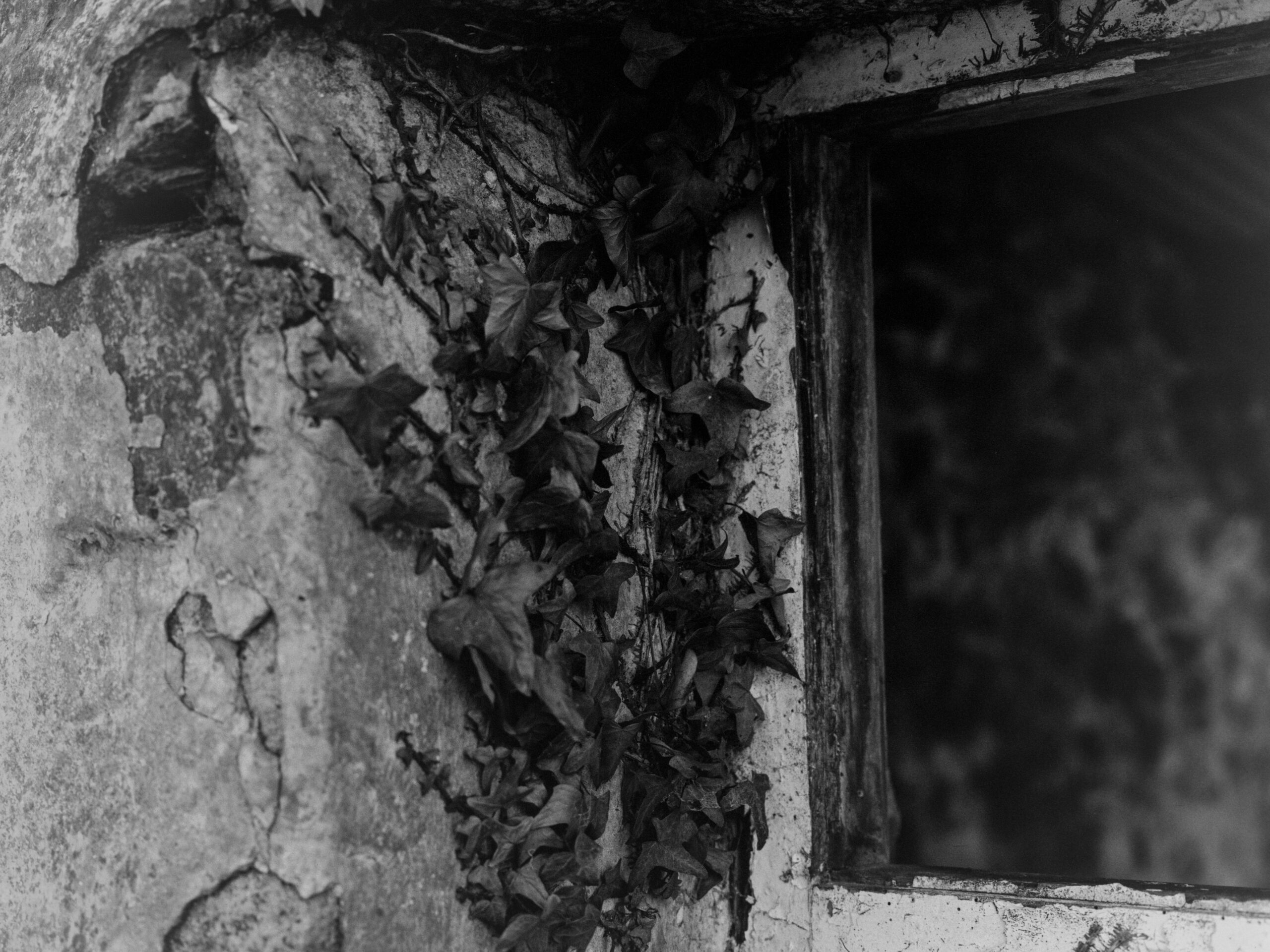
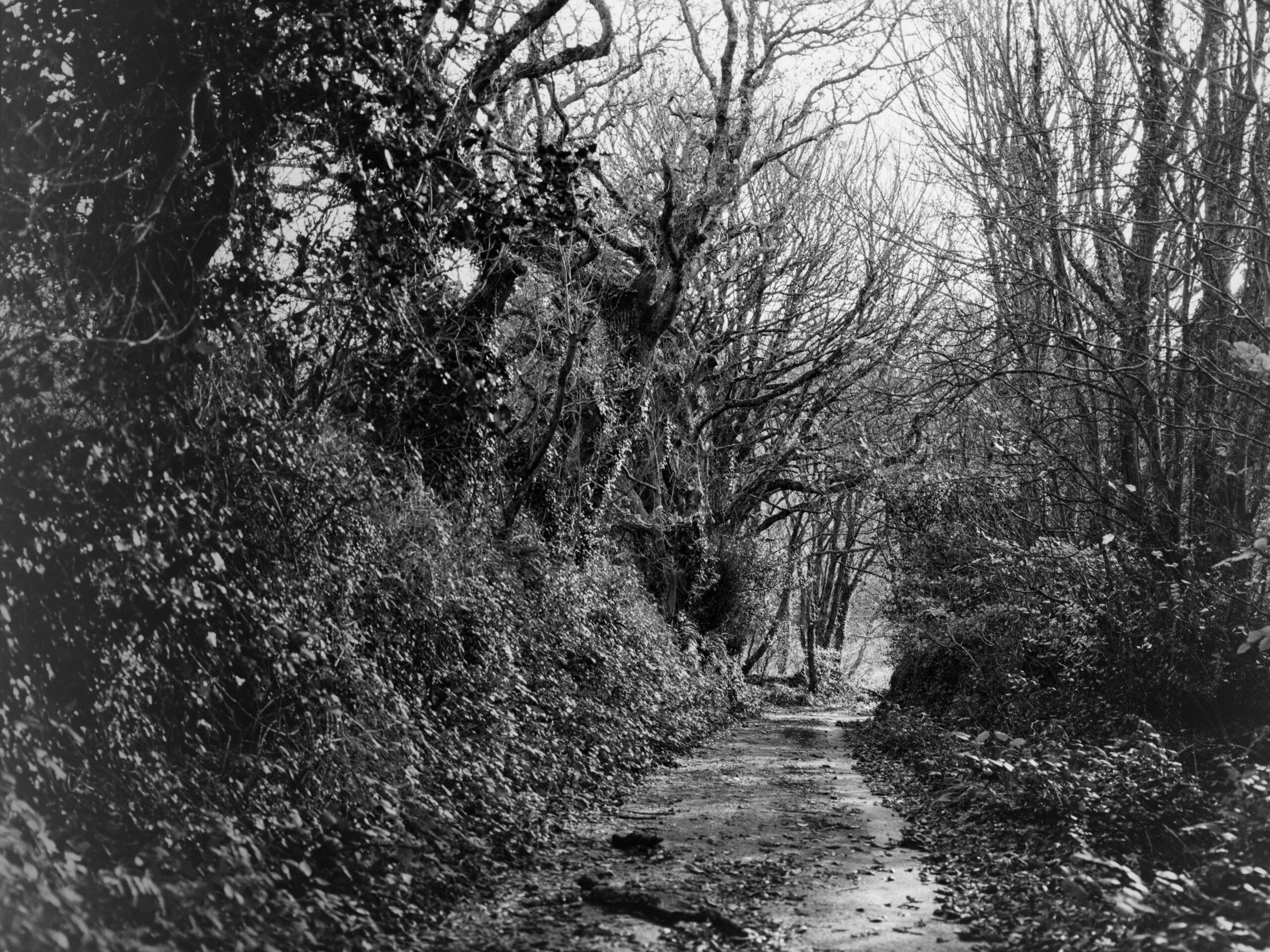
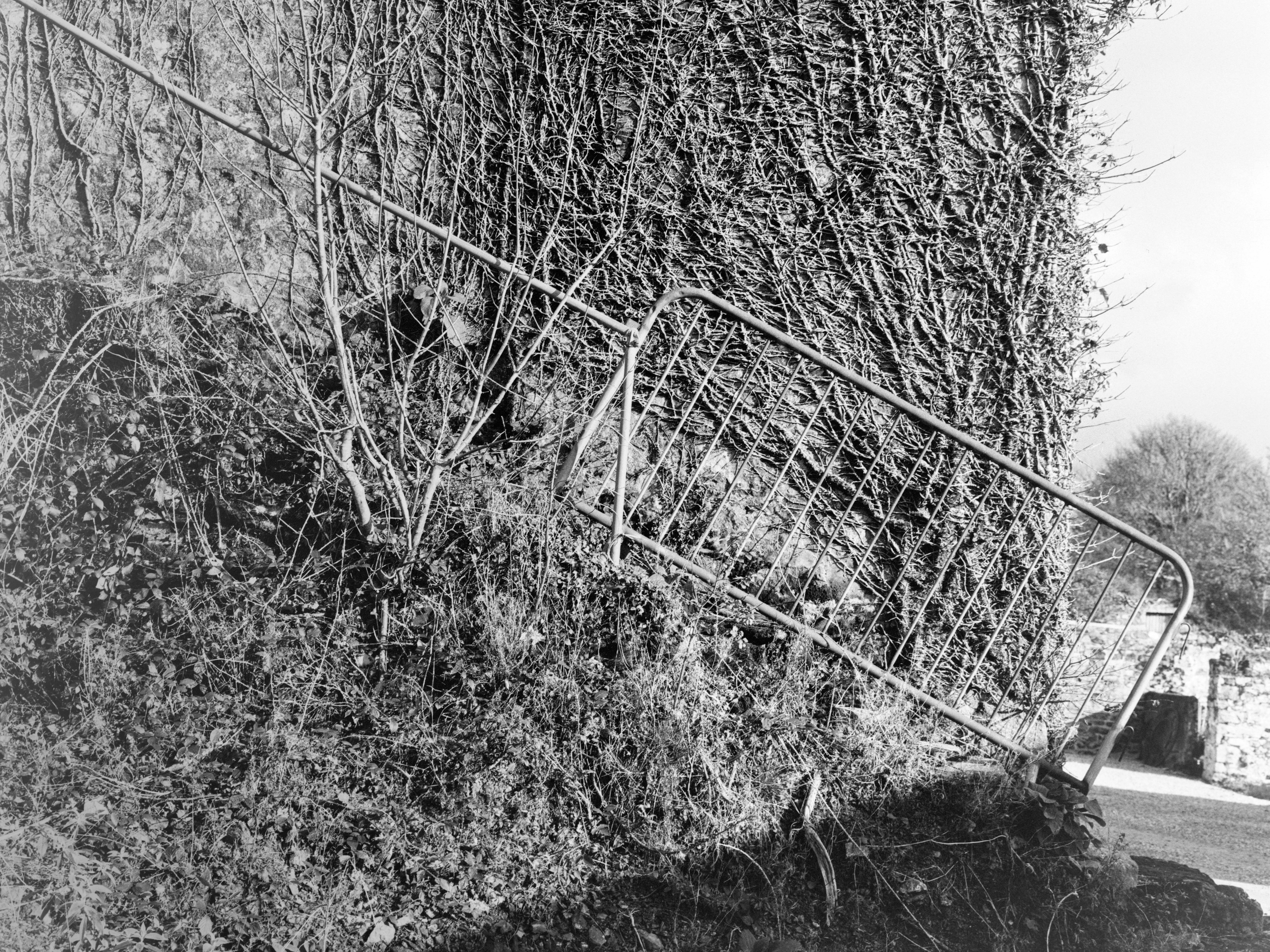
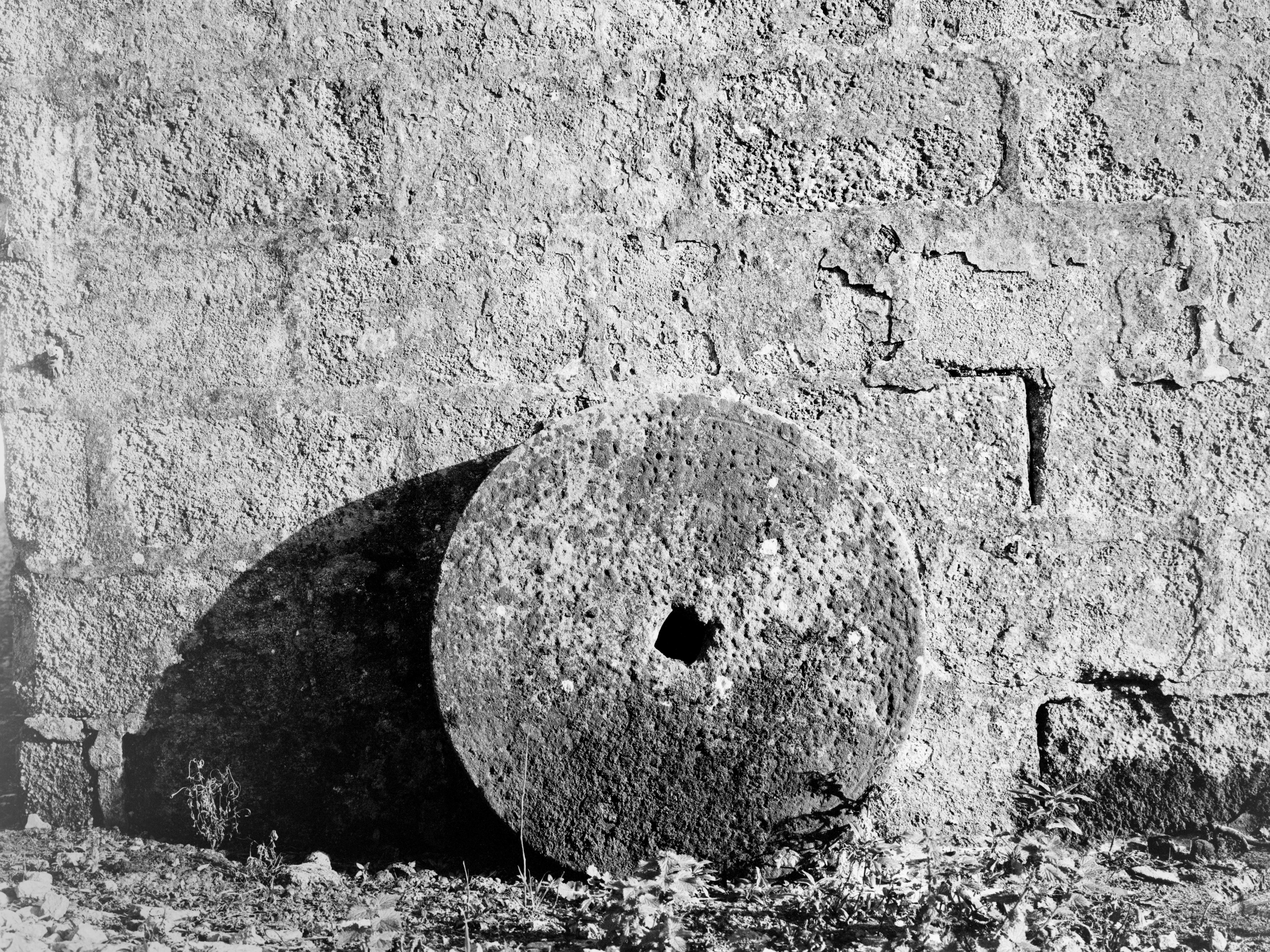
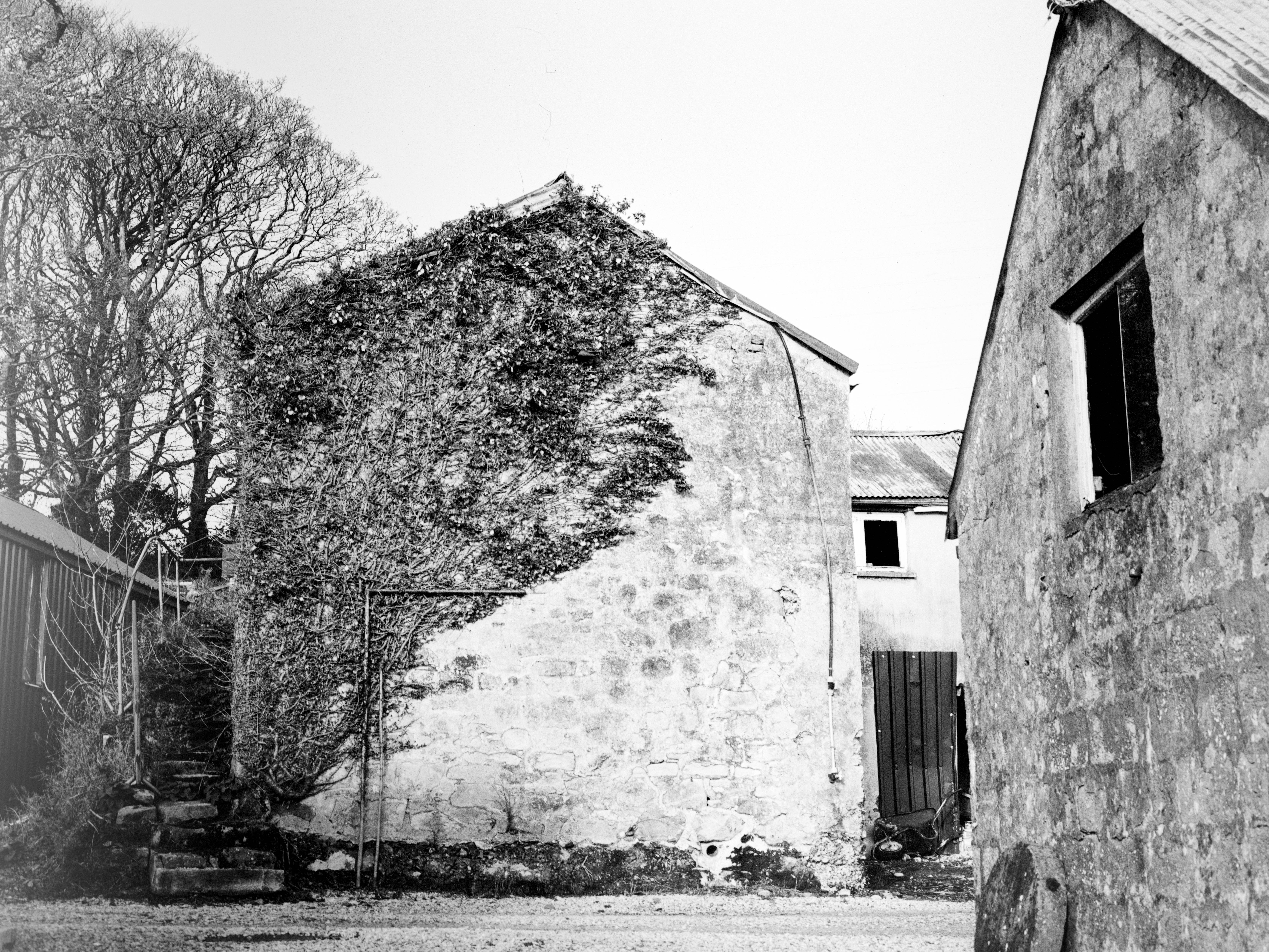
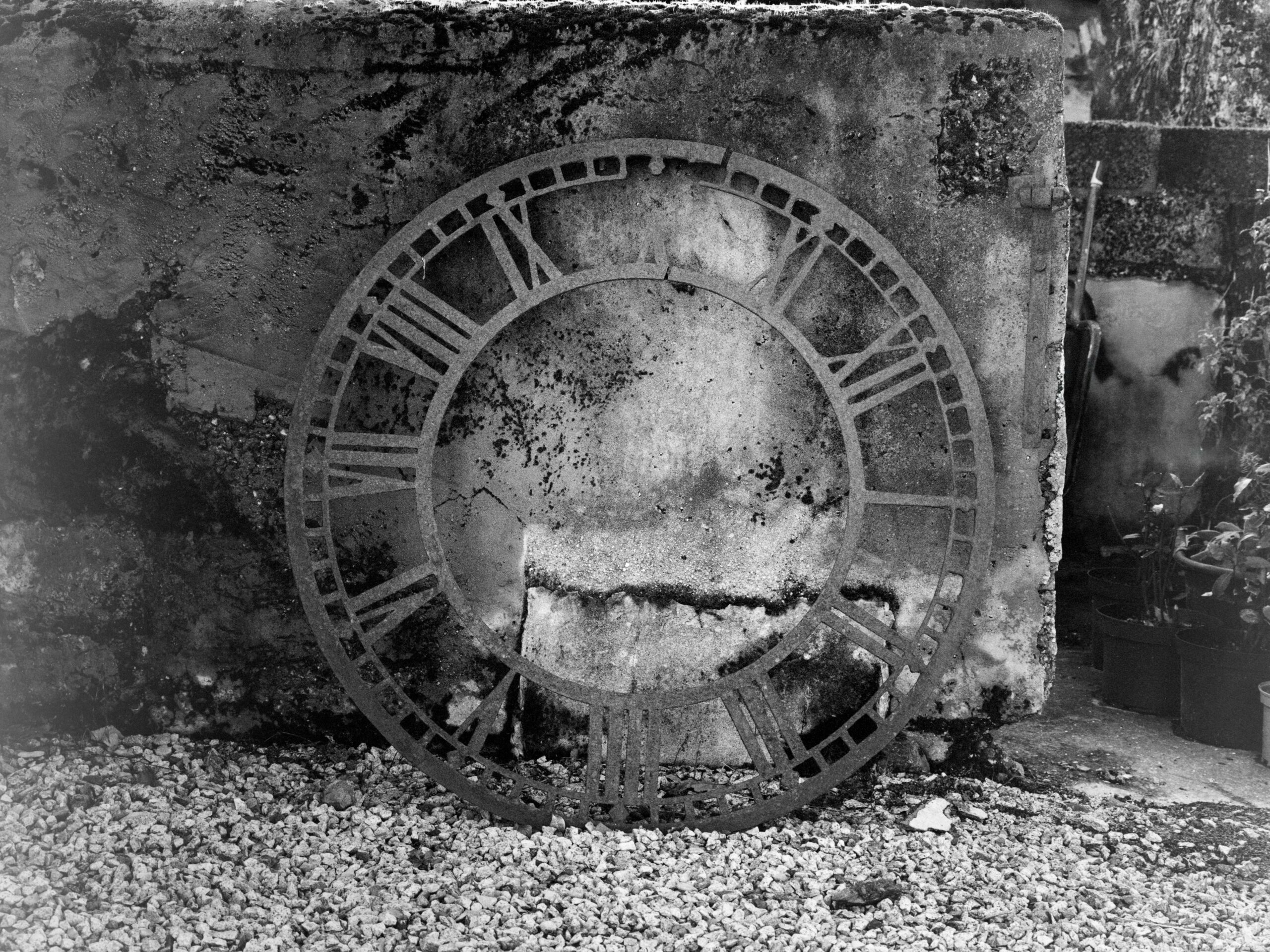
Lucky SHD400 vs My Regular Film Rotation
Cornwall and the rugged coastal edge is very different territory from the quiet North Hampshire countryside where most of my landscape work is made — the Roman walls of Calleva Atrebatum, the winter fog of Silchester, the open chalk ridge of Watership Down. Lucky SHD400 suited Cornwall precisely because of that drama. Back in Hampshire, I reach for Fomapan 400 or Ilford HP5+ — films that reward the slower, more patient approach that a familiar landscape demands.
If you want to see Lucky SHD400 in a medium format context — shot on the Bronica ETRSi rather than 35mm — the Bronica ETRSi review covers how the camera handles in the field, and the free Field Journals show real medium format results from sustained landscape work.
Want a more predictable alternative?
Fomapan 400 gives a similar budget-friendly character with more consistent results. Available from the FineArtPics film shop.
Visit the film shop →Compare affordable B&W stocks
How Lucky SHD400 compares to Kentmere, Fomapan, and HP5+ — prices and real-world results.
Read the guide →Frequently Asked Questions
What is Lucky SHD400 film?
Lucky SHD400 is a Chinese black and white 35mm and 120 format film made by Lucky Film. It is one of the cheapest black and white films currently available — typically around £4–£5 per roll — and is known for its high contrast, pronounced grain, and unpredictable character. It divides opinion strongly but has developed a following among photographers who embrace its imperfections as part of the creative process.
What ISO should I rate Lucky SHD400 at?
Many photographers rate Lucky SHD400 at ISO 200 rather than its box speed of 400. The film tends to underexpose if shot at 400 — particularly in lower contrast situations. Rating at 200 gives more detail in the shadows and a slightly softer contrast ratio. In bright or contrasty conditions, shooting at 400 can work well and produce dramatic results.
Is Lucky SHD400 available in medium format?
Yes — Lucky SHD400 is available in 120 format as well as 35mm. The medium format version produces a larger negative which can tame some of the grain and add tonal depth. This review was shot primarily on the Bronica ETRSi in 120 format, which is an interesting contrast to the typical 35mm experience of this film.
How does Lucky SHD400 compare to Fomapan 400?
Fomapan 400 is more consistent and predictable — you know what you’re getting with each roll. Lucky SHD400 is cheaper, more contrasty, and considerably more unpredictable. Fomapan has a traditional Central European character; Lucky has a raw, almost lo-fi aesthetic that can produce extraordinary images or frustrating inconsistencies depending on conditions and exposure. For regular reliable shooting, Fomapan wins. For experimentation and character, Lucky has its own appeal.
Where can I buy Lucky SHD400 in the UK?
Lucky SHD400 is available from Analogue Wonderland and some other specialist UK film retailers. It can also be found on eBay and AliExpress at lower prices but with less certainty about storage conditions. See the affordable black and white film guide for current UK buying options and price comparisons.
This article is part of my Film Photography hub series.