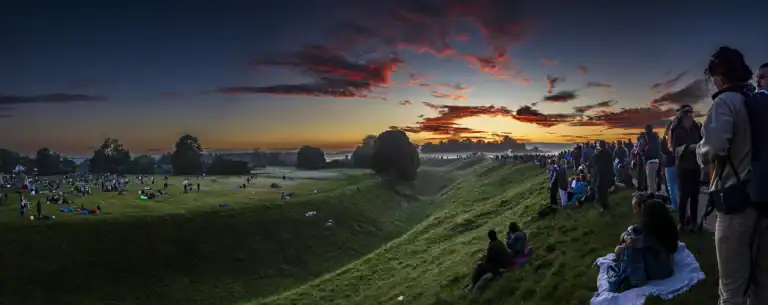
Location: Norway (Stavanger, Eidfjord, Briksdal, Åndalsnes) · Camera: Canon EOS 5DSR · Lens: 24-70mm EF L series
Two weeks across Norway’s fjords, glaciers, and mountains, shot on a single camera and a single lens, with no particular agenda beyond seeing as much of the country as possible.
Norway had been on my list for a long time. Not as a vague ambition but as a specific, recurring thought — the kind of destination that sits quietly at the back of your mind for years before you finally commit to going. In summer 2024 I went. Two weeks, a Canon EOS 5DSR, a 24-70mm EF L series lens, and no particular agenda beyond seeing as much of the country as I could with a camera in hand.
I came back knowing I’d be going again. And I have — 2025 took me back, and there will be more trips. Norway is that kind of place.
This is a personal account of that first trip — the landscapes, the light, the locations, and what it felt like to photograph a country that seems almost designed to make every frame worthwhile.
Stavanger — an Unexpected Starting Point
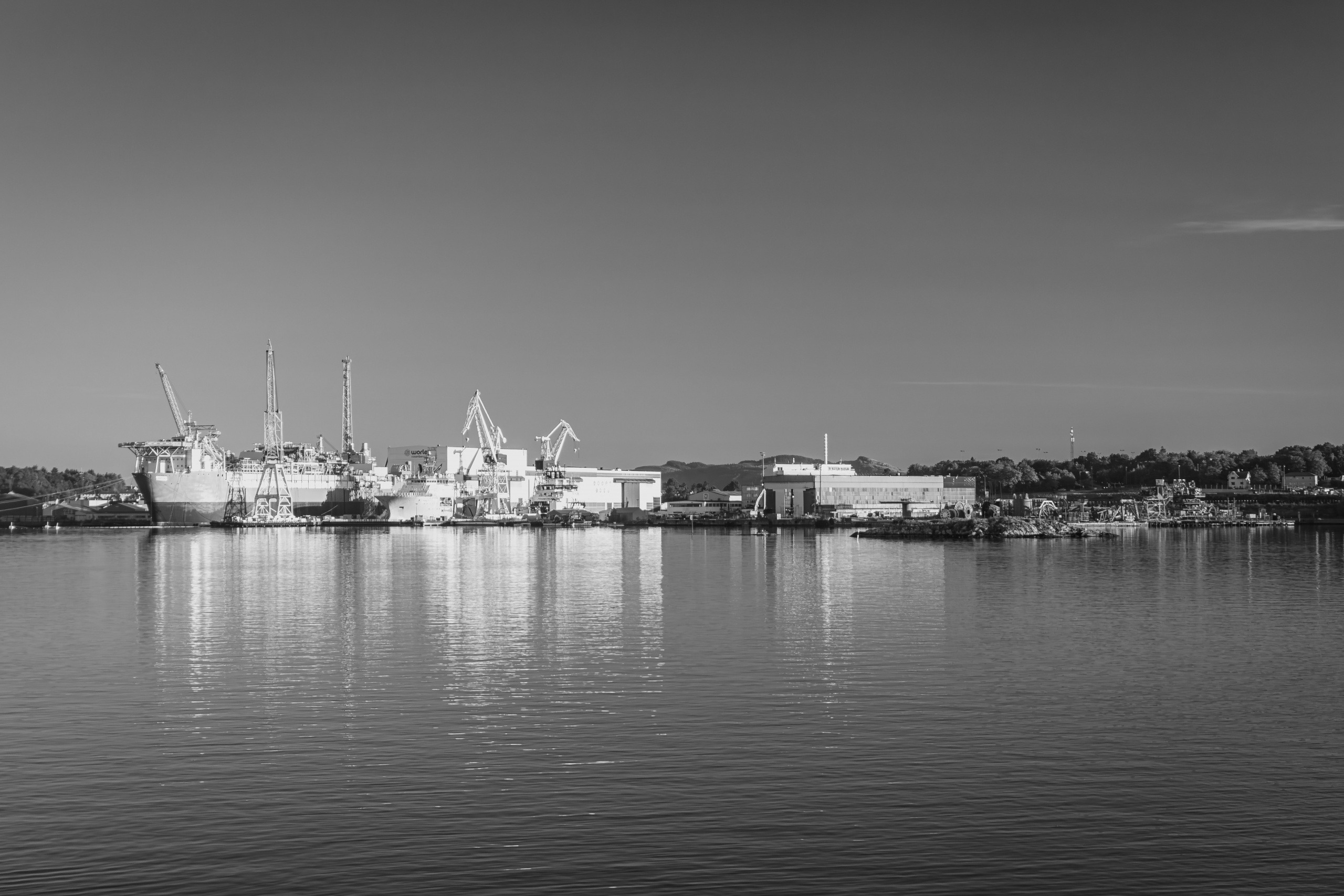
Stavanger was never meant to be a photographic highlight. It was a starting point, a city to arrive in before heading into the landscapes I’d come for. But cities have their own photographic logic and Stavanger has real character — the old wooden houses of Gamle Stavanger, the harbour, the way Scandinavian light falls differently even in summer.
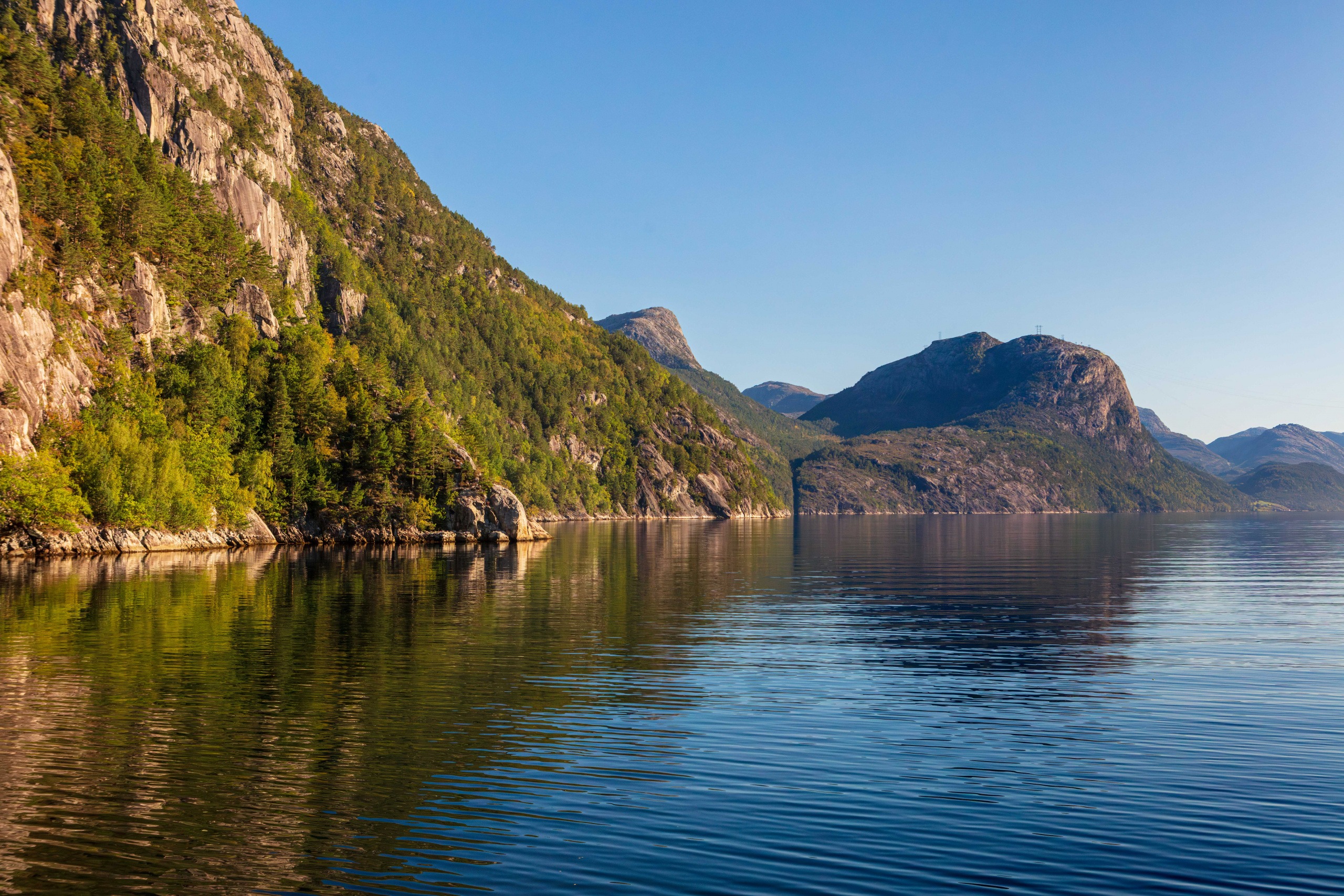
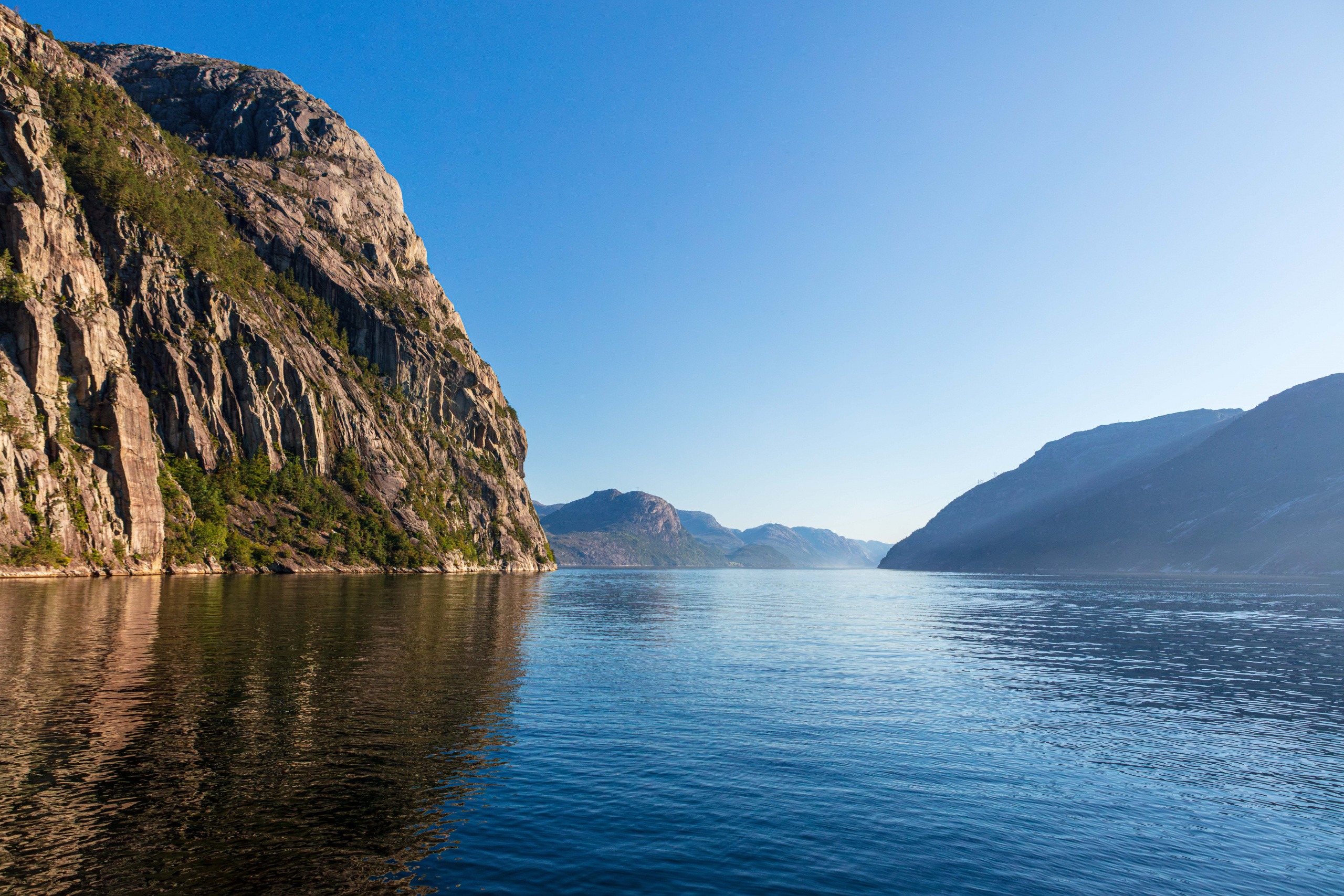
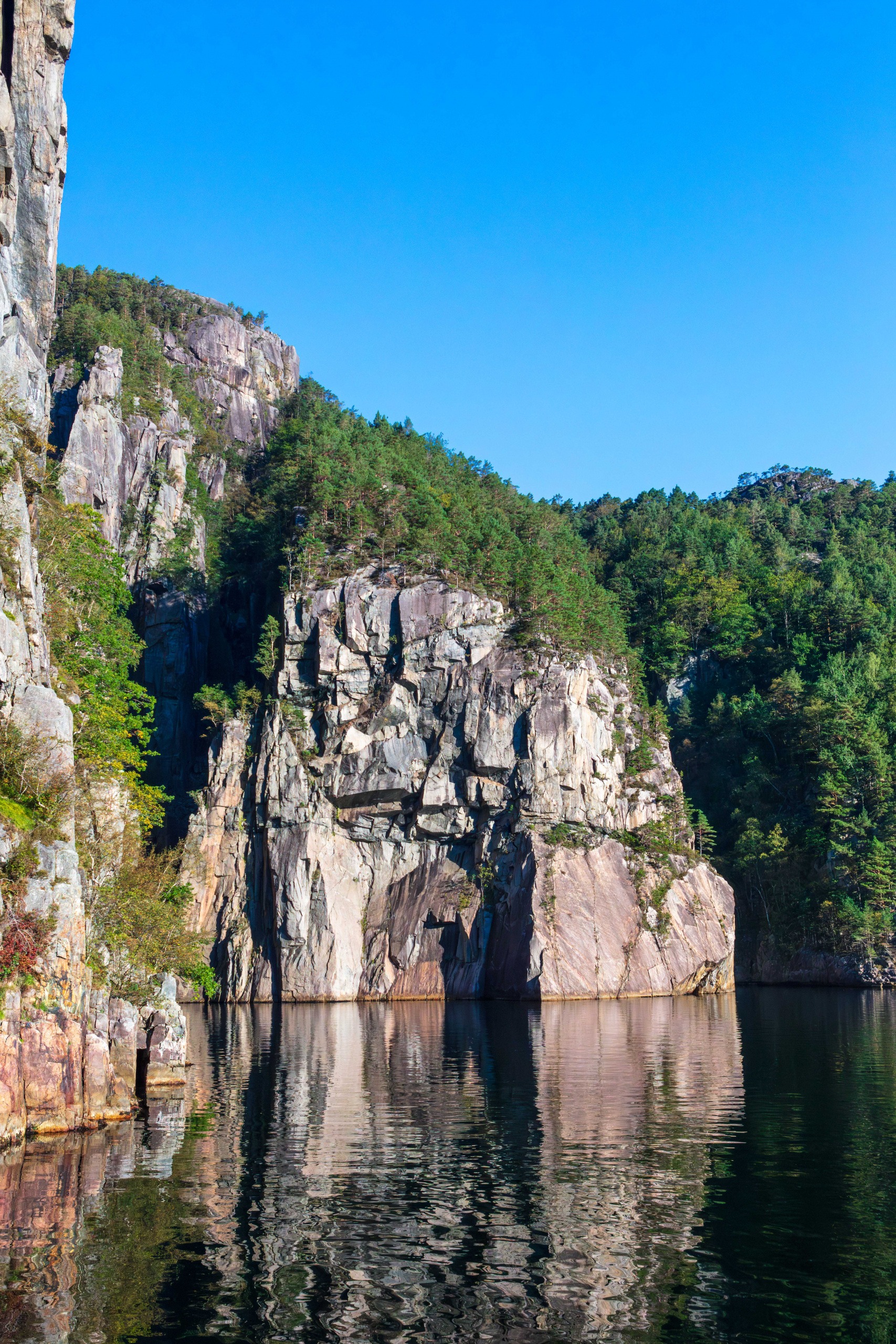
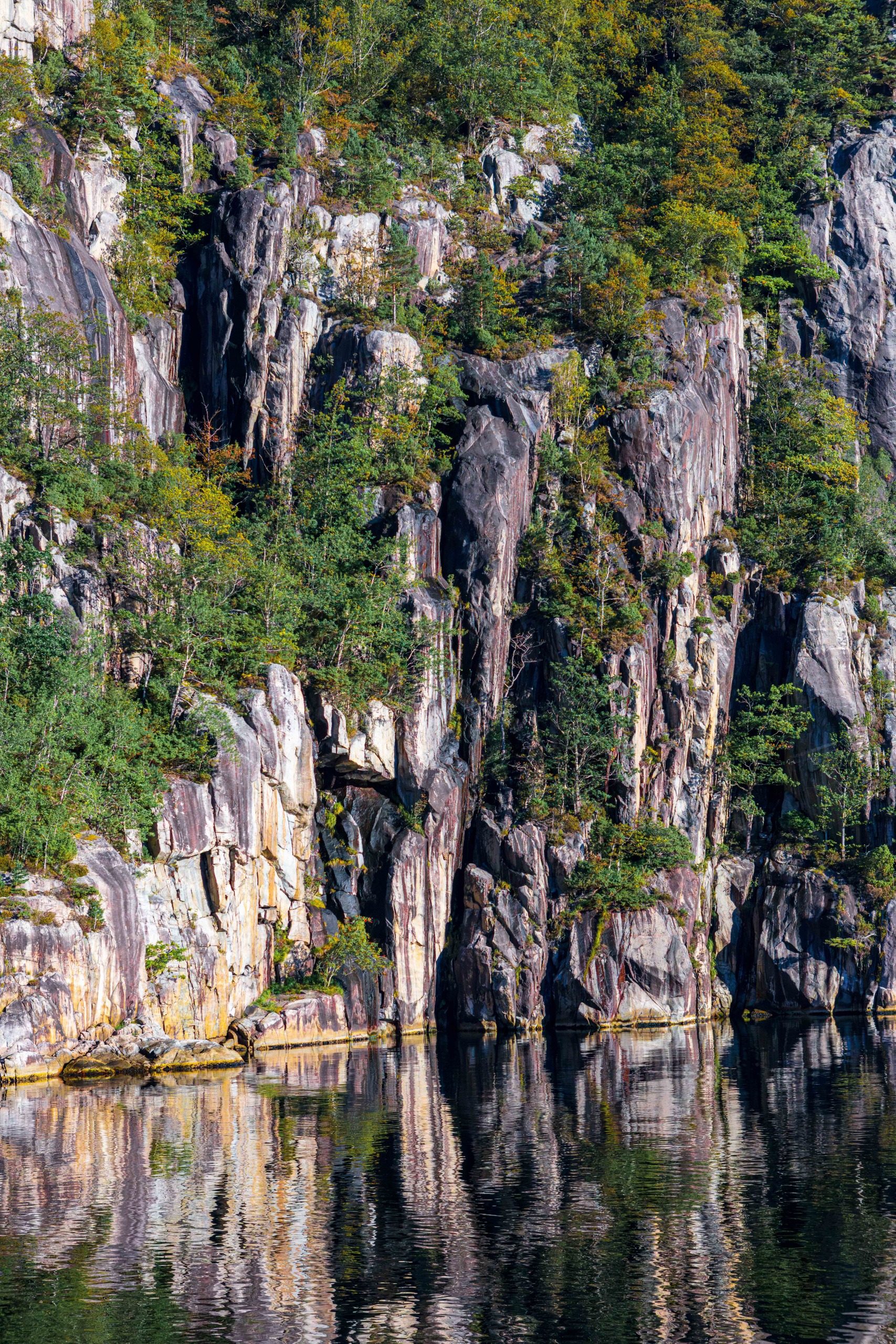
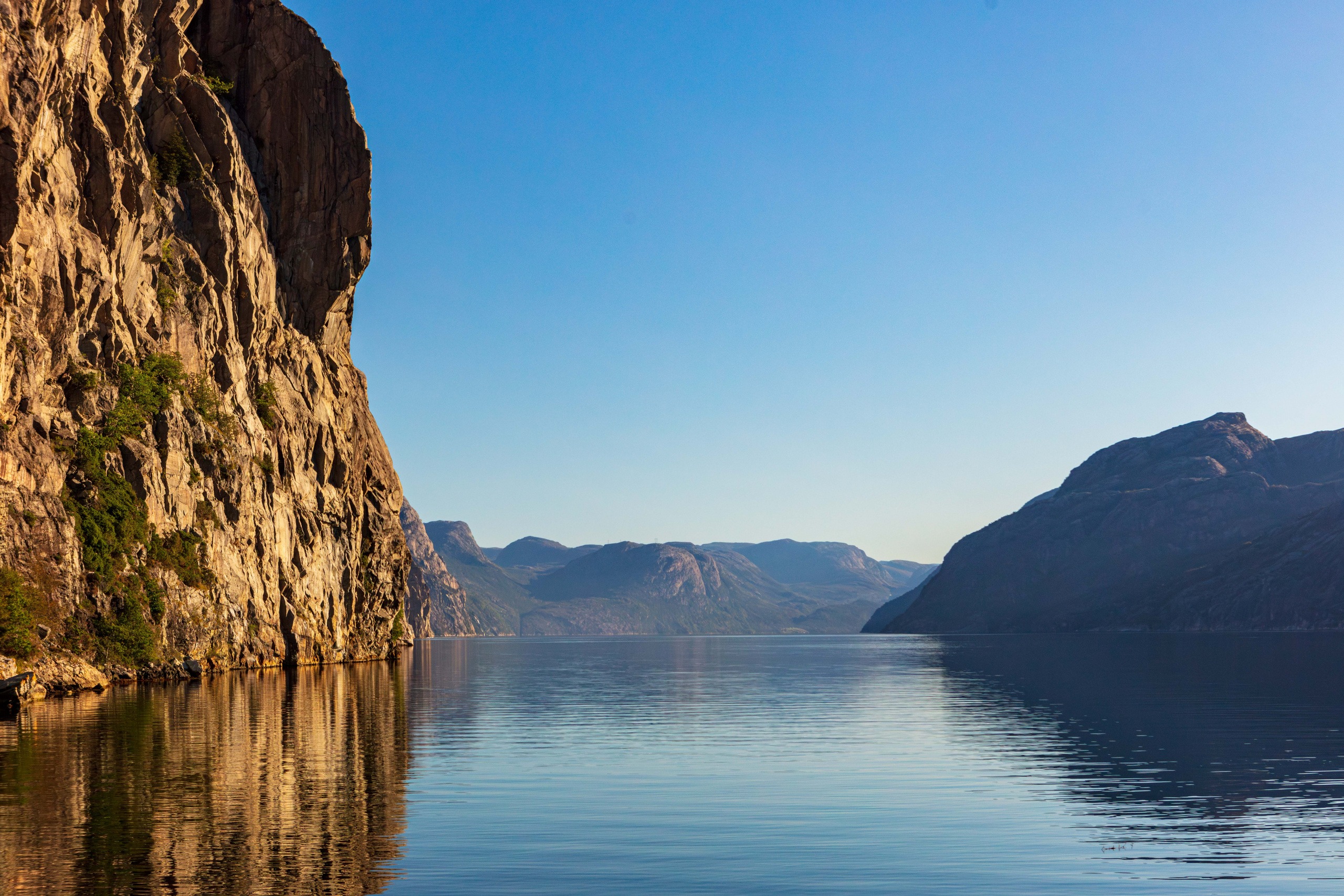
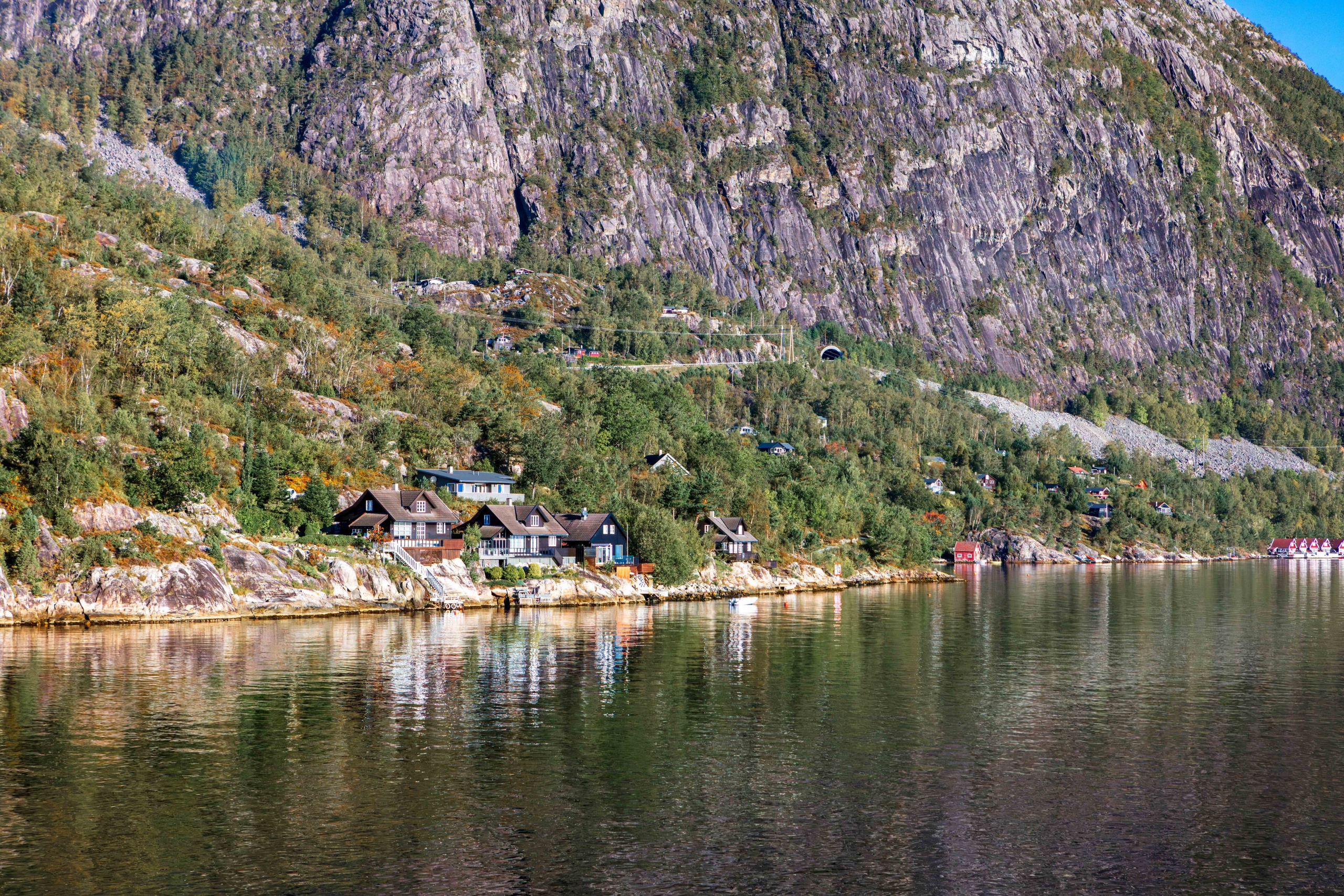
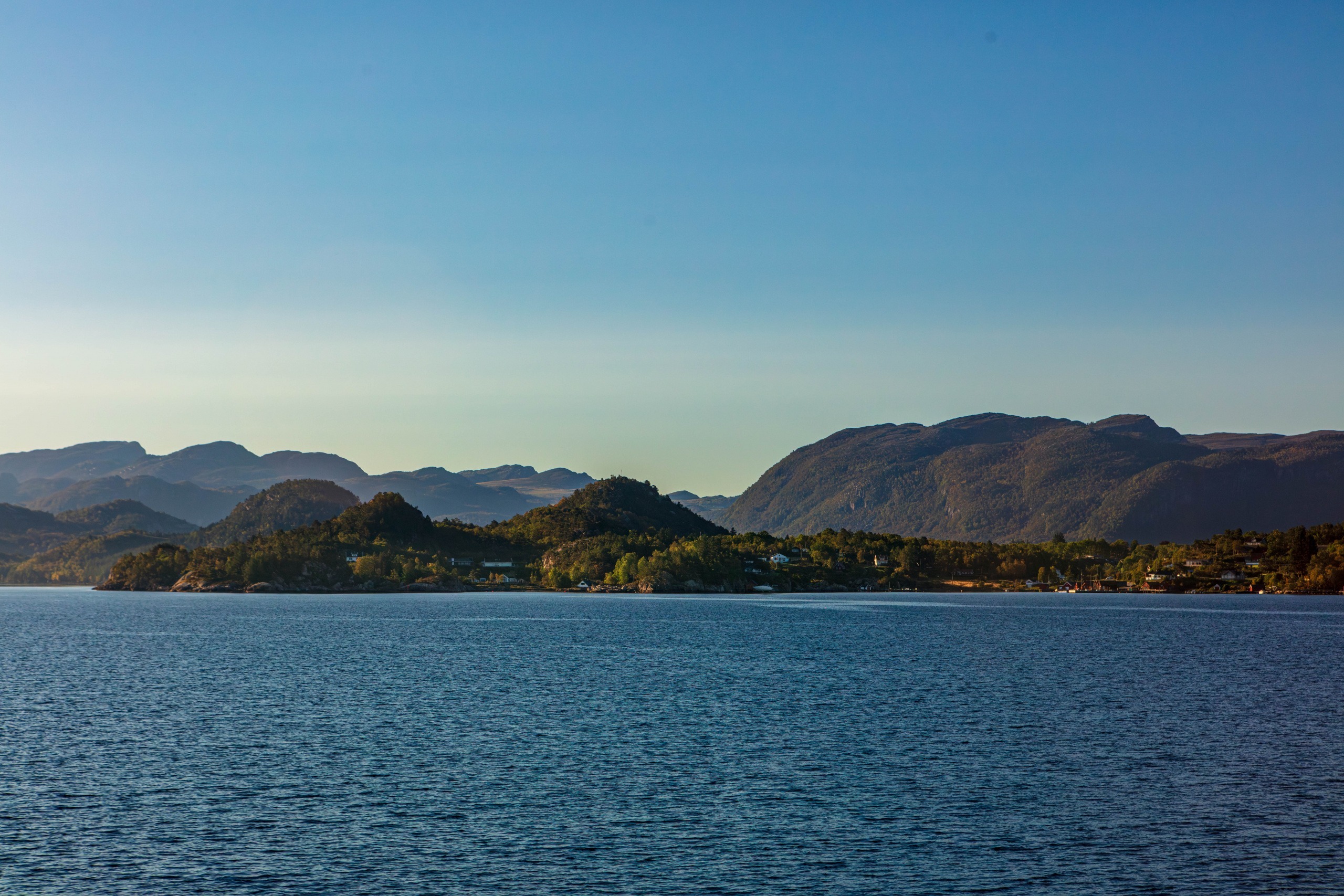
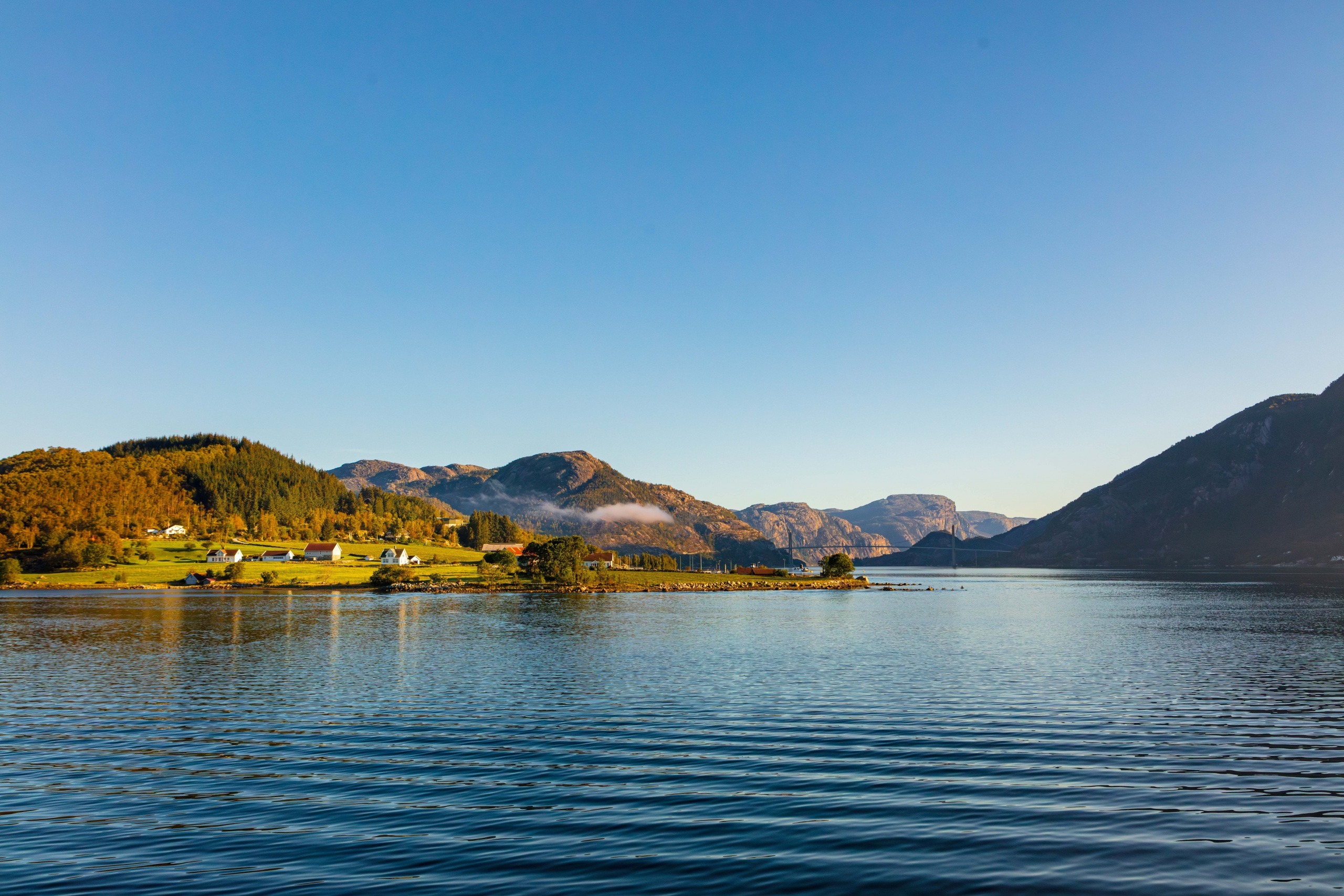
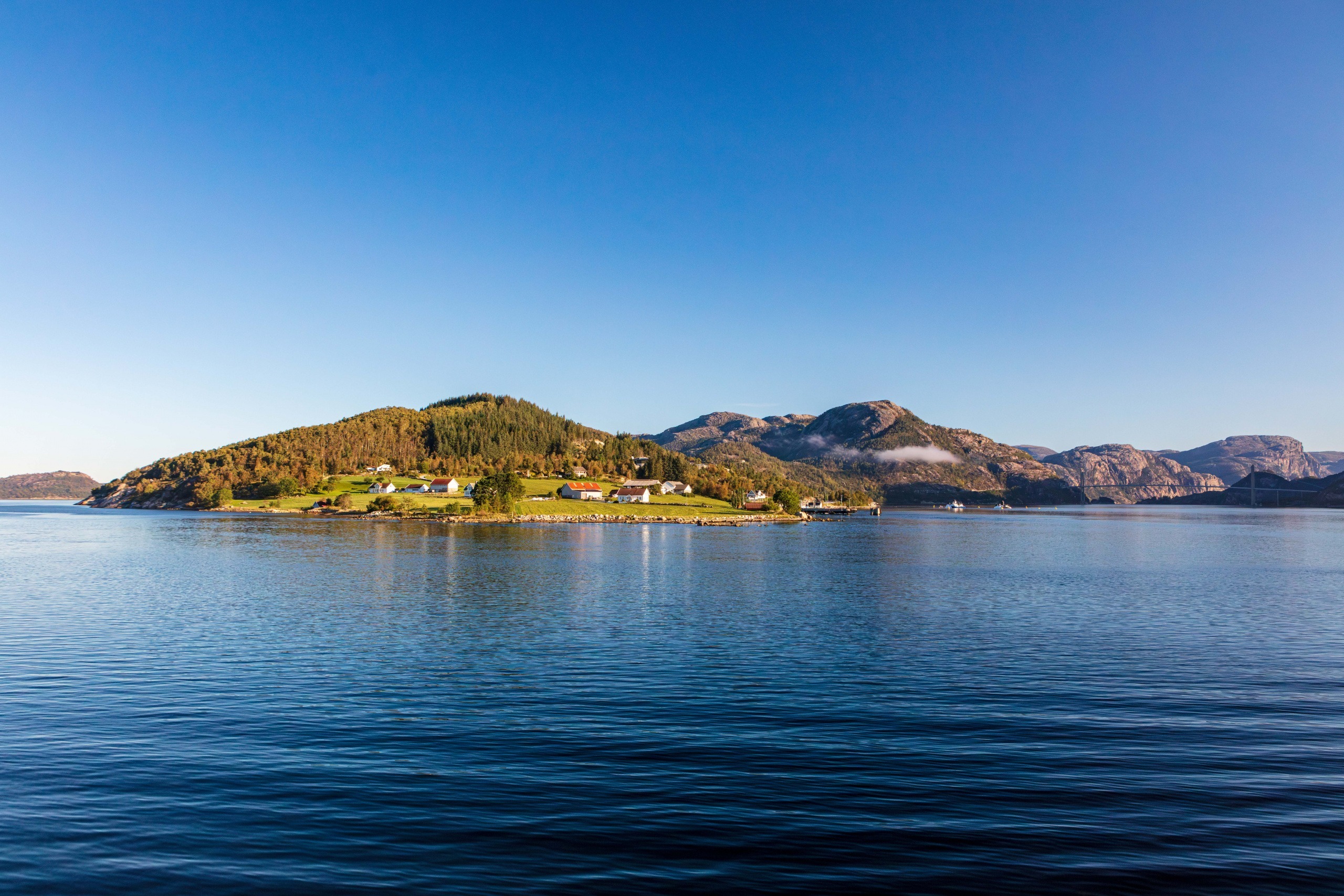
Photographing a city you don’t know well forces a different kind of attention. Without familiarity you notice things a local might walk past — the geometry of streets, the quality of morning light on painted wood, the texture of cobblestones. The 24-70mm earned its place here more than anywhere else on the trip. A few hours were also spent sailing over the fjord, admiring the rock faces and cliffs from the water.
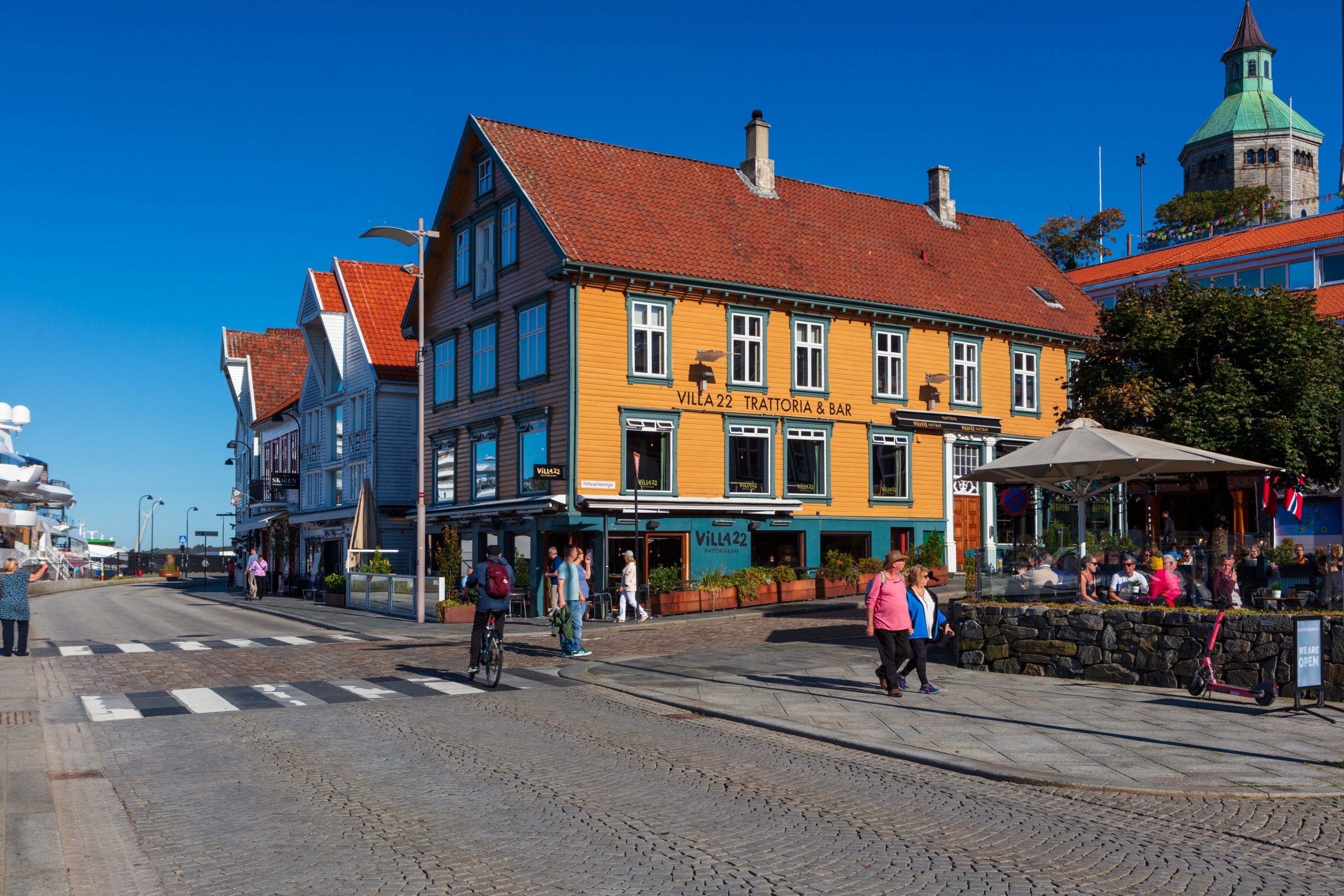

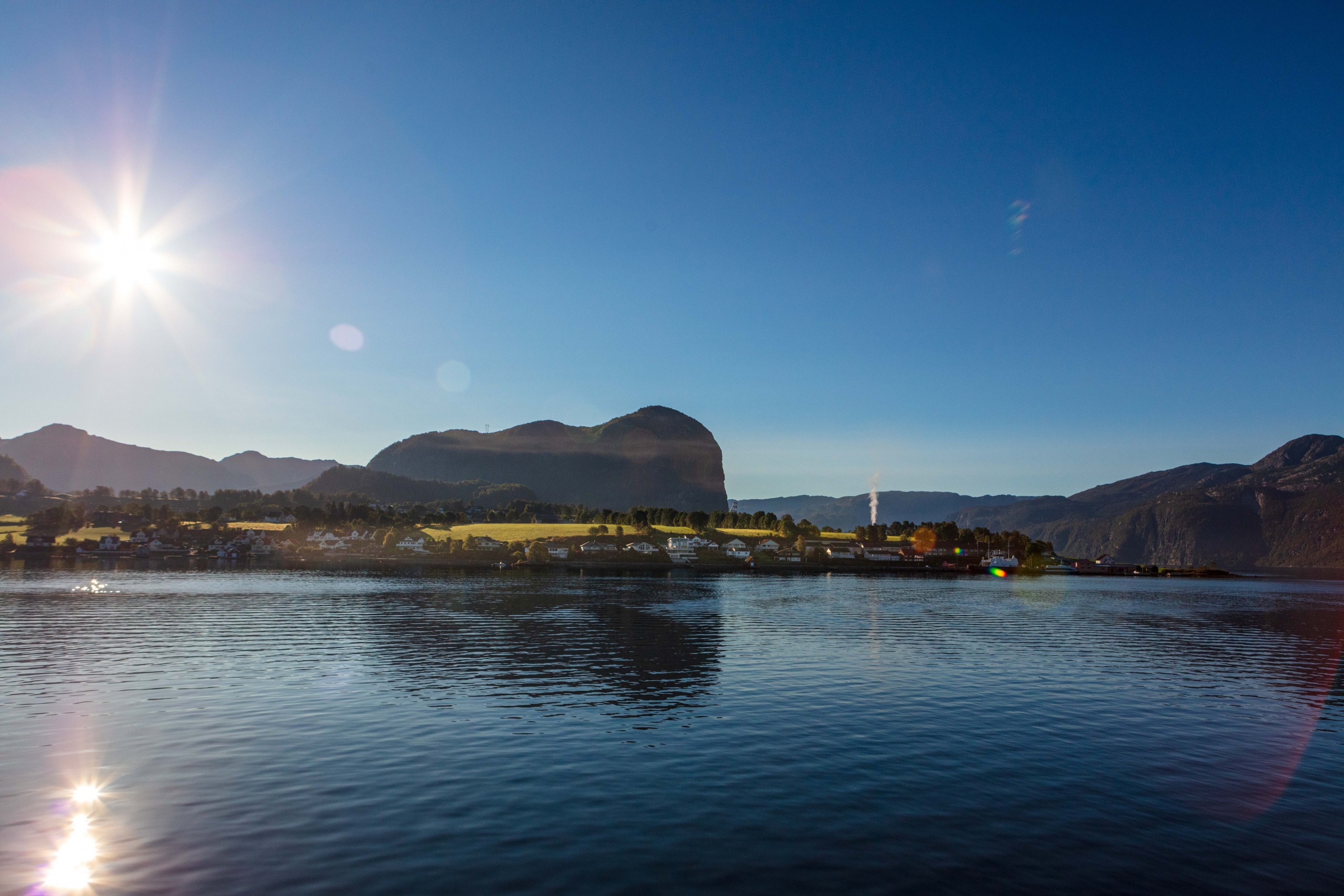
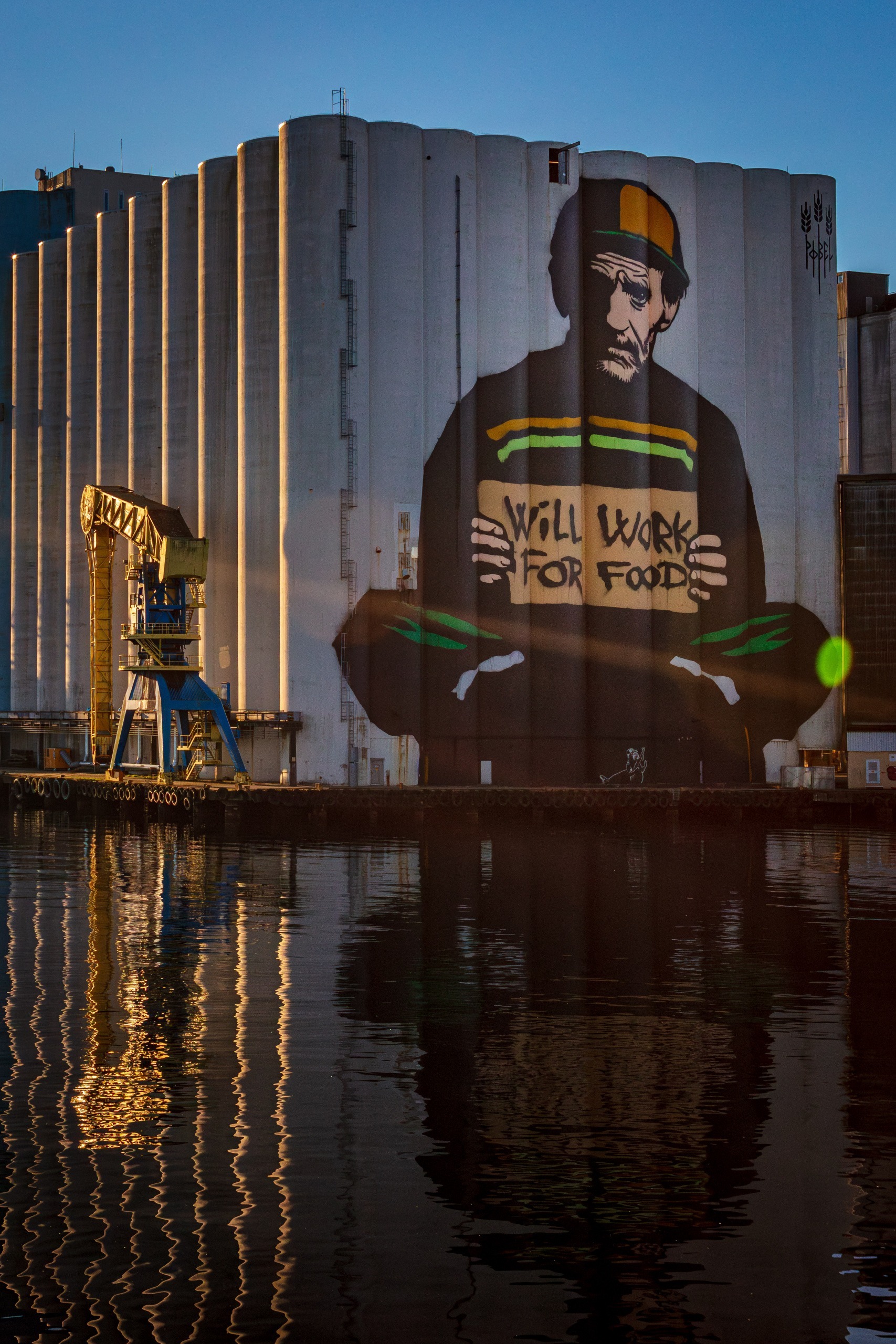
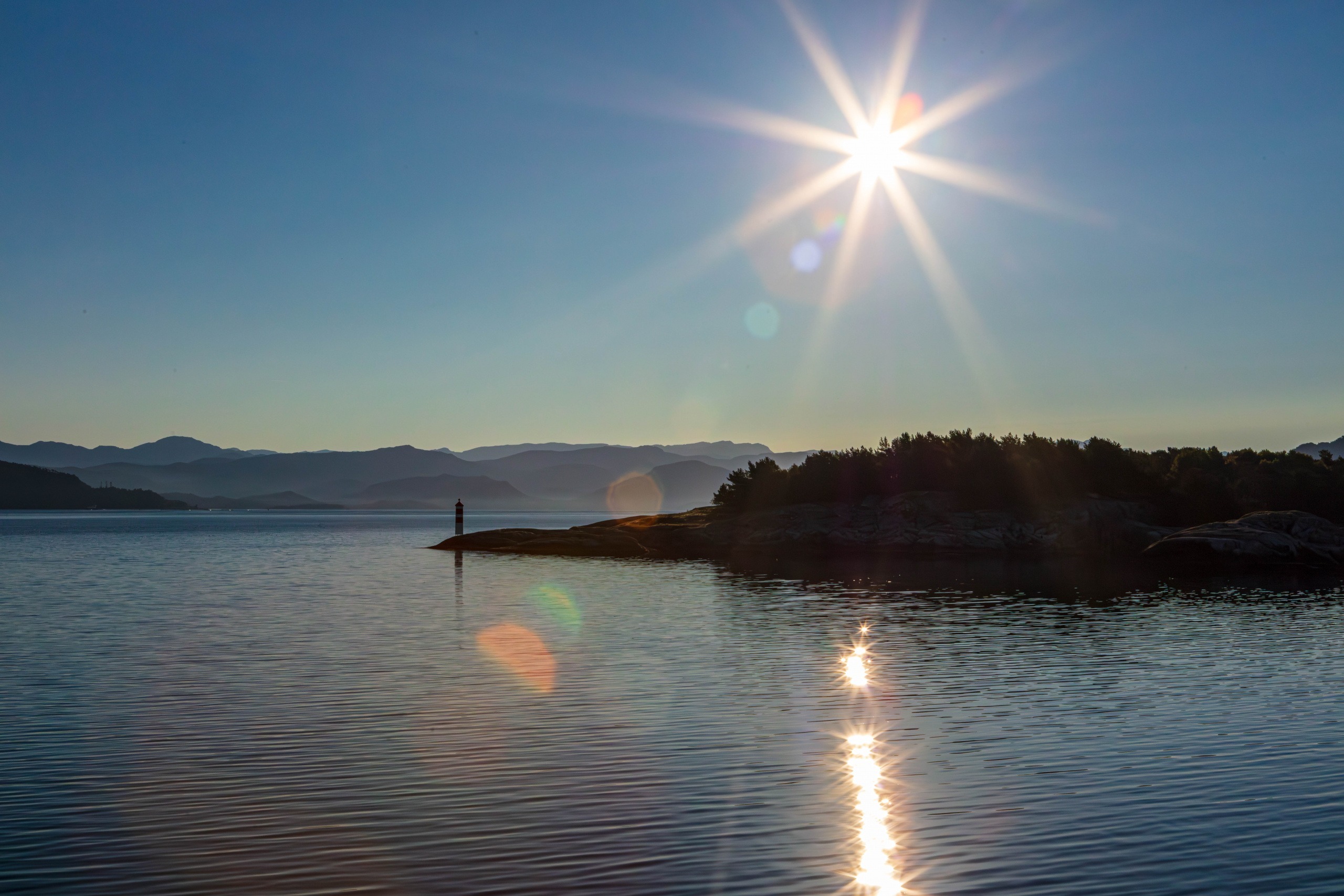
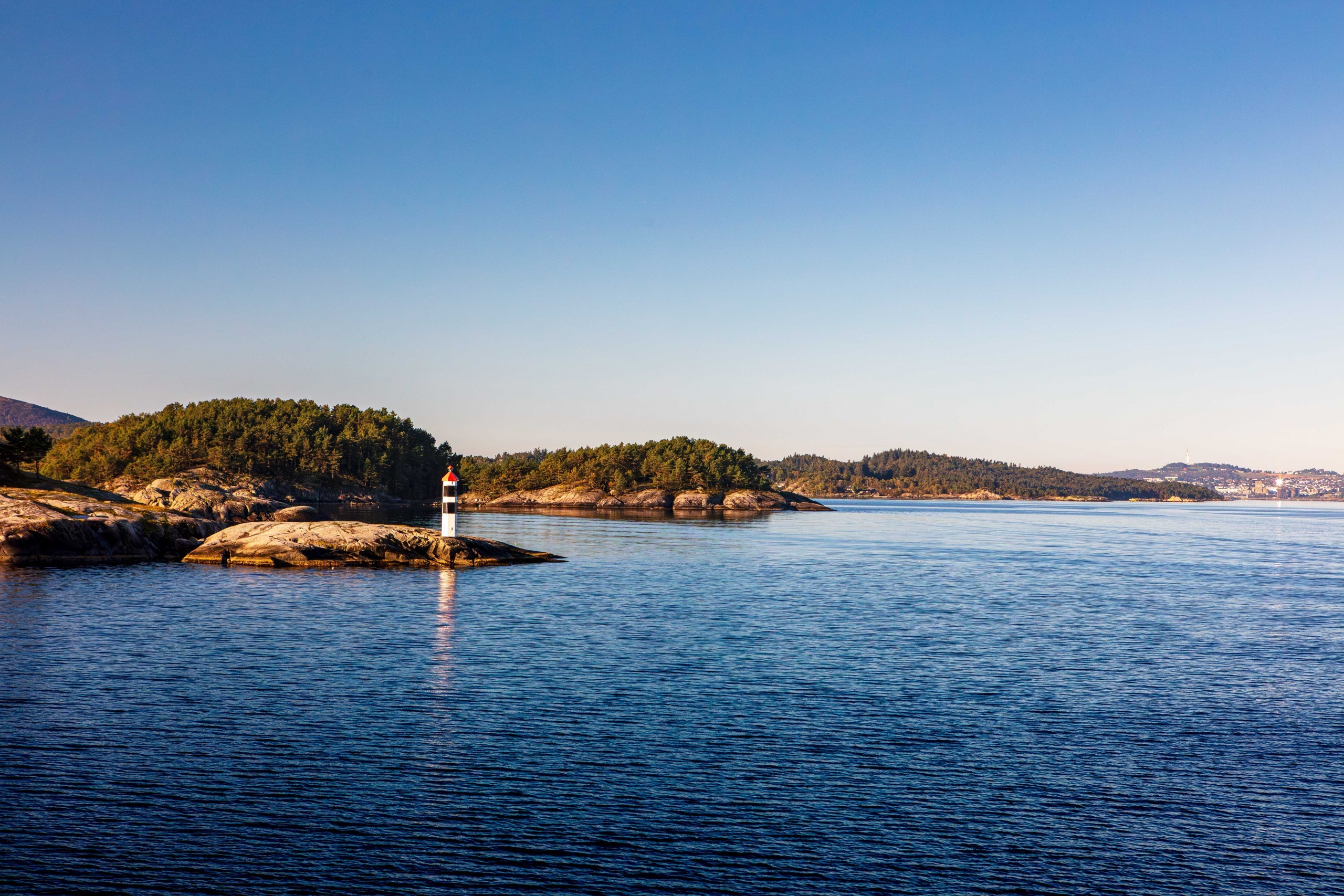
Gamle Stavanger’s wooden houses, and the fjord’s cliffs seen from the water.
Eidfjord — Where the Scale Changes
Nothing quite prepares you for the scale of the Norwegian fjords the first time you encounter them properly. Photographs don’t do it. The way the walls rise from the water, the way distance becomes meaningless, the way your sense of proportion recalibrates — it has to be experienced to be understood photographically.
Eidfjord sits at the inner end of the Hardangerfjord and the landscape around it is extraordinary. Waterfalls dropping hundreds of metres. Light bouncing off water in ways that shift constantly through the day. The challenge isn’t finding something to photograph — it’s making decisions about what not to photograph.
Working with a single focal length — the 24-70mm — was a deliberate constraint that paid off here. Rather than reaching for a longer lens to compress the landscape, I worked with what I had and found compositions that used foreground interest to give the scale some context. The fjord rewards patience. Sit with it for an hour and the light will do something you didn’t expect.


Mist and waterfalls around the Hardangerfjord’s inner reaches.
Briksdal Glacier — Photographing Something That’s Disappearing
The Briksdal Glacier is one of the most photographed subjects in Norway, and for good reason — the combination of ice, meltwater, and surrounding peaks is visually extraordinary. But there’s something else present when you photograph it that goes beyond aesthetics. The glacier is retreating visibly and measurably. The photographs you make there carry a weight that landscapes without that context don’t.
The light on ice is unlike anything else I’ve photographed. It holds colour in ways that shift from blue-white to grey to almost turquoise depending on the angle and the time of day. The 5DSR’s resolution showed its worth here — the detail in the ice textures at full resolution is remarkable.
Getting to Briksdal involves a walk that most visitors do quickly. I’d recommend slowing down considerably. The landscape along the path is as interesting as the glacier itself, and the light changes enough through the morning to make it worth the time.


Ice, meltwater, and the surrounding peaks at Briksdal.
Åndalsnes — Mountains and the Romsdal Valley
If Eidfjord recalibrated my sense of scale, Åndalsnes rewrote it entirely. The Romsdal valley is one of the most dramatic landscapes I’ve ever stood in — peaks rising almost vertically from the valley floor, the Rauma river below, and a quality of light in the evening that I genuinely struggled to capture in a way that matched what I was seeing.
This was where the trip shifted for me from enjoyable to genuinely memorable. There’s a specific kind of light that arrives in Norwegian valleys in the late evening in summer — the sun is still high enough to be directional but soft enough to be kind to the landscape. The shadows lengthen across the valley floor and the peaks catch a warmth that lasts for hours. I shot more frames here than anywhere else on the trip.


Evening light across the Romsdal valley’s near-vertical peaks.
The Wildlife
Norway wasn’t planned as a wildlife trip but it became one partly. Arctic foxes, lynx, and encounters I hadn’t anticipated shaped the trip as much as the landscapes did. Those images are available separately through the Wildlife Photography hub as digital downloads — they deserve their own space rather than sitting alongside the landscape work.
The Kit
Everything on this trip was shot on the Canon EOS 5DSR with a 24-70mm EF L series lens. No tripod for most of it — the summer light in Norway is generous enough that hand-holding was rarely a compromise. The 5DSR’s 50 megapixels justified itself repeatedly in the detail it retained from these landscapes. Several of the images from this trip are available as fine art prints in the shop.
| Element | Details |
|---|---|
| Trip | Norway, summer 2024 (two weeks) |
| Camera | Canon EOS 5DSR |
| Lens | 24-70mm EF L series |
| Locations | Stavanger, Eidfjord, Briksdal, Åndalsnes |
| Approach | Single lens, mostly hand-held |
| Focus | Fjords, glaciers, mountain valleys |
Going Back
I returned to Norway in 2025 and there will be more trips. It’s one of those rare destinations that doesn’t diminish on return — if anything the familiarity opens up new photographic possibilities that weren’t available on a first visit. I knew where the light would be. I knew which locations rewarded an early start. I knew what I’d missed.
If you’re considering Norway as a photography destination, go. Take more time than you think you need. Work with a single lens if you can bear it. And slow down considerably more than feels natural.
All landscape prints from this trip are available in the shop. Wildlife images from Norway are available as digital downloads through the Wildlife Photography hub.
What camera and lens were used for this Norway trip?
The entire trip was shot on a Canon EOS 5DSR with a single 24-70mm EF L series lens, with no tripod for most of it.
Why work with only one lens on a landscape trip?
Restricting to a single focal length forces more deliberate composition, using foreground interest and framing rather than reaching for a longer lens to solve every problem.
What’s the best time of year to photograph Norway’s fjords?
Summer offers long, generous light, with late evening producing a directional but soft quality that suits mountain valleys and fjord landscapes particularly well.
Is the Briksdal Glacier shrinking?
Yes, the glacier is retreating visibly and measurably, which adds a certain weight to photographs made there beyond their aesthetic value.
Where is Åndalsnes and why is it worth visiting for photography?
Åndalsnes sits in the Romsdal valley, where peaks rise almost vertically from the valley floor, offering some of the most dramatic mountain scenery in Norway.
Did this trip include wildlife photography?
Yes, unexpectedly. Arctic foxes, lynx, and other encounters shaped the trip alongside the landscape work, and those images are available separately through the Wildlife Photography hub.
How many days should you spend photographing Norway’s fjords?
More than feels necessary at first glance. Fjords reward patience — sitting with a scene for an hour often produces better light than moving on to the next location.
Is Stavanger worth photographing, or just a starting point?
Stavanger has real character of its own, particularly the old wooden houses of Gamle Stavanger and the harbour, making it worth time even before heading into the wider landscape.
This article is part of my Landscape Photography hub series.
Norway in Full: The Complete Gallery
Stavanger






Eidfjord


Briksdal Glacier


Åndalsnes