
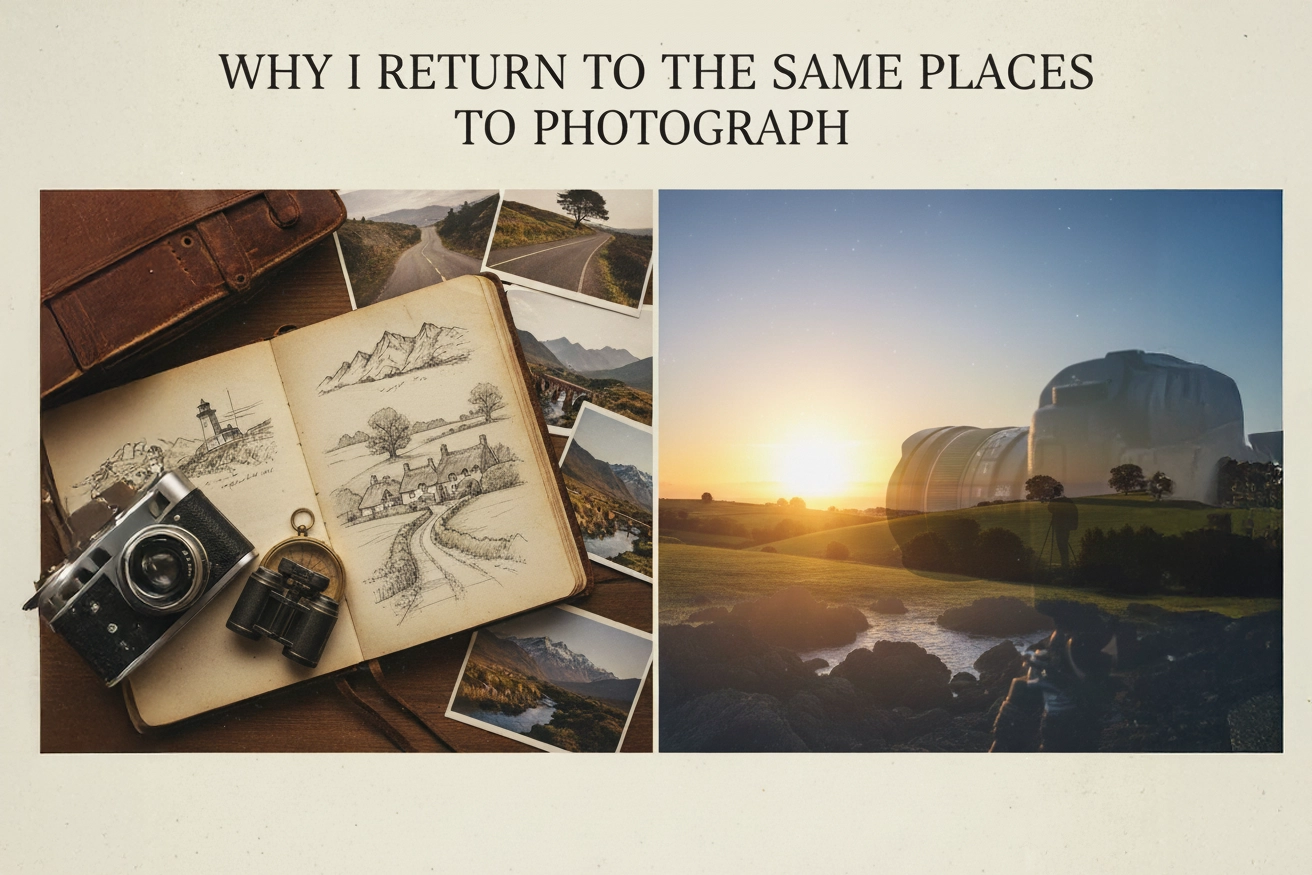
Focus: Returning to familiar ground, patience, and mindful photography
There are places I return to again and again with my camera — places I know so well I could walk their paths blindfolded. I return not because I expect something new, but because I know that I am never quite the same as the last time I was there.
Revisiting photography locations like woodland corners, half-forgotten lanes, and quiet ponds that hold the sky in their surface has become one of the quiet constants of my work. I return not because I expect something new, but because I know that I am never quite the same as the last time I was there.
It’s an approach that runs through much of my location work, from repeated visits to Avebury stone circle to the way I kept returning to Calleva Atrebatum long after the first roll of film was finished.
The Myth of “New Places Only”
Many imagine photography as a chase: new locations, dramatic scenes, the next landscape worth capturing.
But some of the most meaningful images are born of familiarity — of revisiting the same ground until its patterns settle into your bones. A place will only reveal its deeper character slowly, the way people do.
To know a place photographically, you must live alongside it. And so I return, revisiting photography locations.
A Path I Know Well
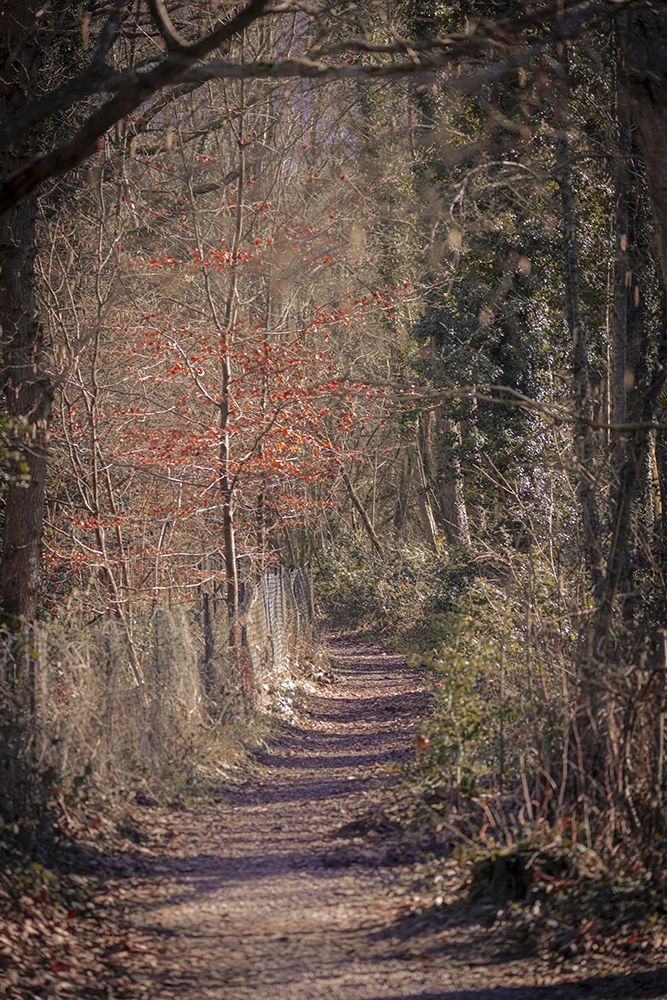
A woodland path where the moss grows thick enough to silence footsteps.
There is a woodland path where the moss grows thick enough to silence footsteps. I have photographed this path in mist, in frost, in rain, in early gold and late bruised evening light, in Great Haughurst Copse. The path itself does not change — but something always does.
The variation is not in the landscape, but in the meeting of landscape and self.
On weary days, I notice the stillness. On hopeful days, I see the glow in every leaf. On heavy days, I don’t take any photographs at all — I simply walk.
Photographing Familiar Places Teaches Patience
When you return to the same place, you learn to wait.
The photograph you hope for may not arrive today — or this month. Perhaps the heron appears only once a season. Perhaps the perfect light lasts only two minutes.

The heron that appears, some seasons, only once.
These moments cannot be forced. They can only be witnessed. This is much the same discipline that shapes my wildlife photography, where waiting matters as much as watching.
Returning teaches you to let go of expectation and instead receive what is offered.
Mindful Photography and the Beauty of the Ordinary
There is quiet defiance in finding wonder close to home. You do not need mountains or oceans to make meaningful work. You only need presence — mindful photography.
There is dignity in slowness. There is clarity in belonging.
In mindful photography, not everything worthy of photographing needs to be spectacular. Sometimes the most powerful photograph is simply: I was here, and I was paying attention. It’s a similar spirit to the one I found photographing the quiet gardens and grounds of Mottisfont Abbey — familiar ground revealing itself slowly, frame by frame.

A roe deer, glimpsed on a walk I’ve made a hundred times before.
The Slow Record of Time
Over years of returning, I begin to see time itself:
- A fallen branch becoming home for moss
- A tree leaning until eventually resting
- Flowers reclaiming ground left unmown
- The subtle tide of seasons moving unseen day by day
The image becomes proof of witnessing. A record of relationship.
These photographs are not just of the land — they are a conversation with it. And conversations deepen only when we stay.
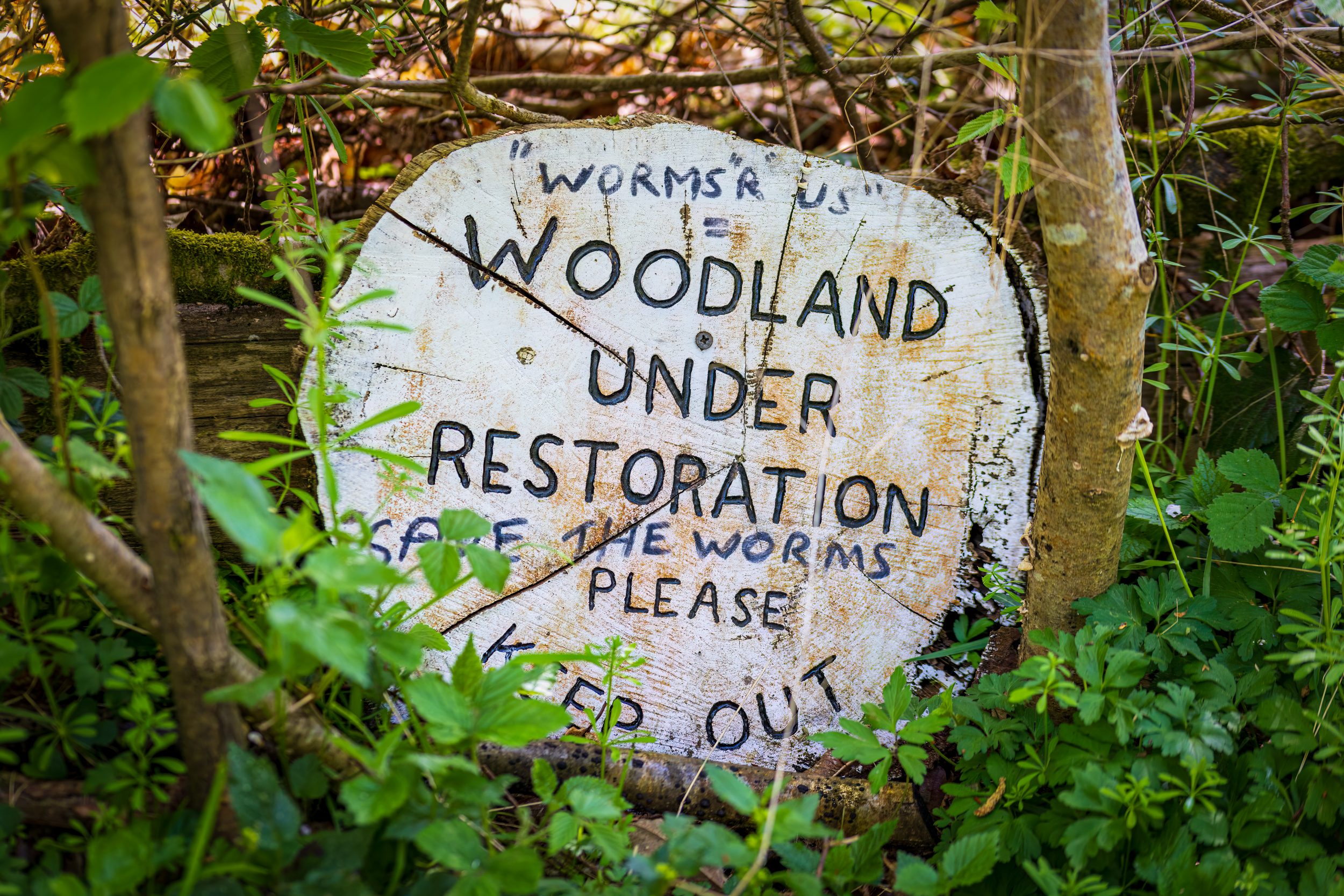
Even familiar ground changes — a reminder that nothing stays quite the same.
So Why Do I Return?
Because meaning grows through repetition. Because the familiar still holds infinite mystery. Because the land changes, and so do I. Because beauty reveals itself slowly. Because belonging takes time.
And in returning to the land, I find the land returns something to me as well.
If this post has inspired you to see familiar places in a new light, grab your camera and take a walk today. Revisit a path, a woodland, or a quiet pond you know well, and notice what has changed — or what you see differently now. Share your images, your discoveries, or even just your reflections in the comments below, and join a growing community of photographers who find wonder and meaning in returning to the same places. Every step, every click, is part of the journey.
Why revisit the same photography location instead of finding new ones?
Familiar places reveal their character slowly, over repeated visits, in a way that a single visit to a new location rarely allows. Patterns of light, season, and wildlife only become visible with time.
What is mindful photography?
Mindful photography is an approach centred on presence and attention rather than seeking spectacular or dramatic subjects. It values noticing what’s already there.
How often should I revisit the same photography spot?
There’s no fixed rule. Some locations reward weekly visits, others reveal themselves over entire seasons. The value is in consistency rather than frequency.
Do you always take a photograph when you visit a familiar place?
No. Some visits are simply for walking and observing, without any photograph being made. The relationship with the place matters as much as the image.
Why does patience matter in landscape and wildlife photography?
Certain moments, like a heron appearing or a brief burst of ideal light, cannot be forced and may only occur rarely. Patience allows you to be present when they do.
Can beginners benefit from revisiting the same locations?
Yes. Returning to a familiar place removes the pressure of finding something new each time and instead builds a deeper understanding of light, season, and composition.
Does the weather affect which locations are worth revisiting?
Yes. The same location can look entirely different in mist, frost, rain, or golden evening light, which is part of what makes repeated visits worthwhile.
This article is part of my Photography Guides hub series.


