


Ilford HP5 Plus 400 Review
Ilford HP5 Plus 400 is one of the most widely used black and white films — and for good reason. It’s flexible, forgiving, and capable of producing beautifully atmospheric images in a wide range of conditions.
I’ve covered this in more detail in my guide to pushing film Explaned, including real-world results at different ISO levels.
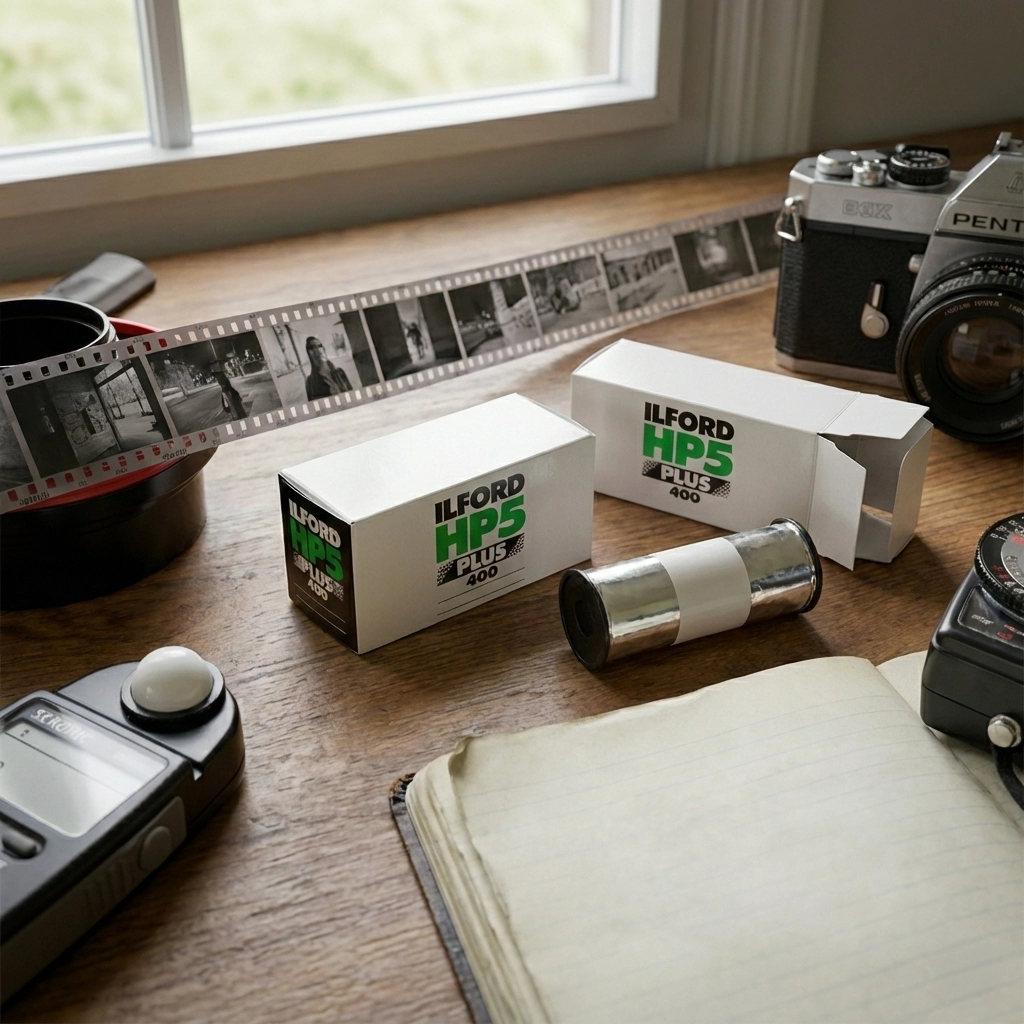
I’ve used HP5 extensively across different environments, from overcast woodland in North Hampshire to low-light conditions where pushing the film becomes essential. In this review, I’ll share my real-world results, how it behaves at different ISO settings, and when it works — and when it doesn’t.
WHAT IS ILFORD HP5 PLUS 400?
HP5 Plus is a medium-speed black and white film rated at ISO 400. It’s known for:
- Wide exposure latitude
- Strong contrast when developed correctly
- Classic grain structure
- Excellent push capability
It’s available in both 35mm and medium format, making it a versatile choice regardless of your setup.
SHOOTING AT BOX SPEED (ISO 400)
At ISO 400, HP5 delivers balanced contrast with good shadow detail. It performs particularly well in:
- Overcast conditions
- Woodland environments
- General walkaround photography
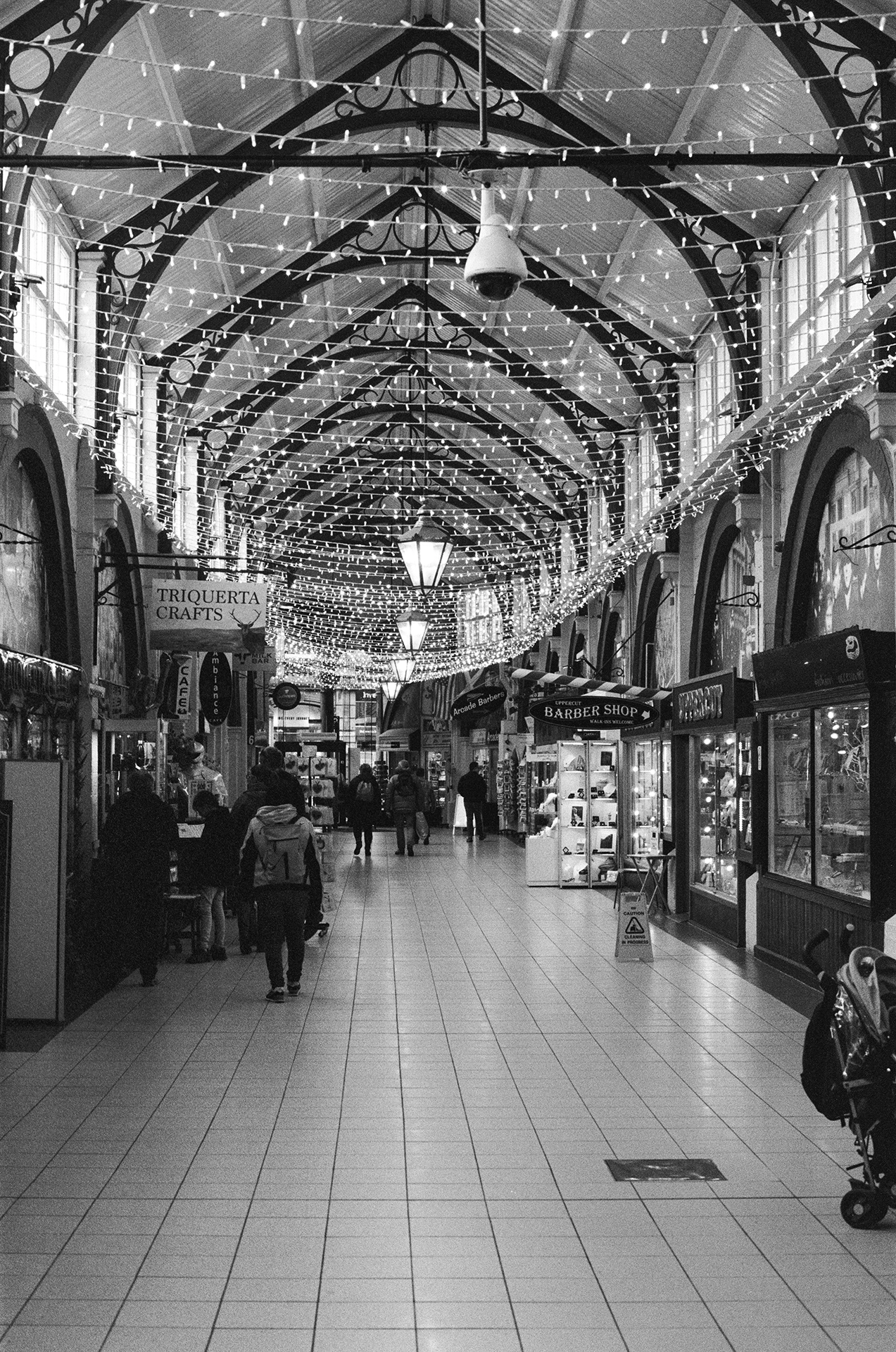
Images tend to have a slightly softer, more forgiving look compared to higher-contrast films.
Ilford HP5 Pushed to 800 (Real Results)
One of the most reliable ways I use Ilford HP5 is pushing it to ISO 800, especially in low light conditions where I still want to shoot handheld.
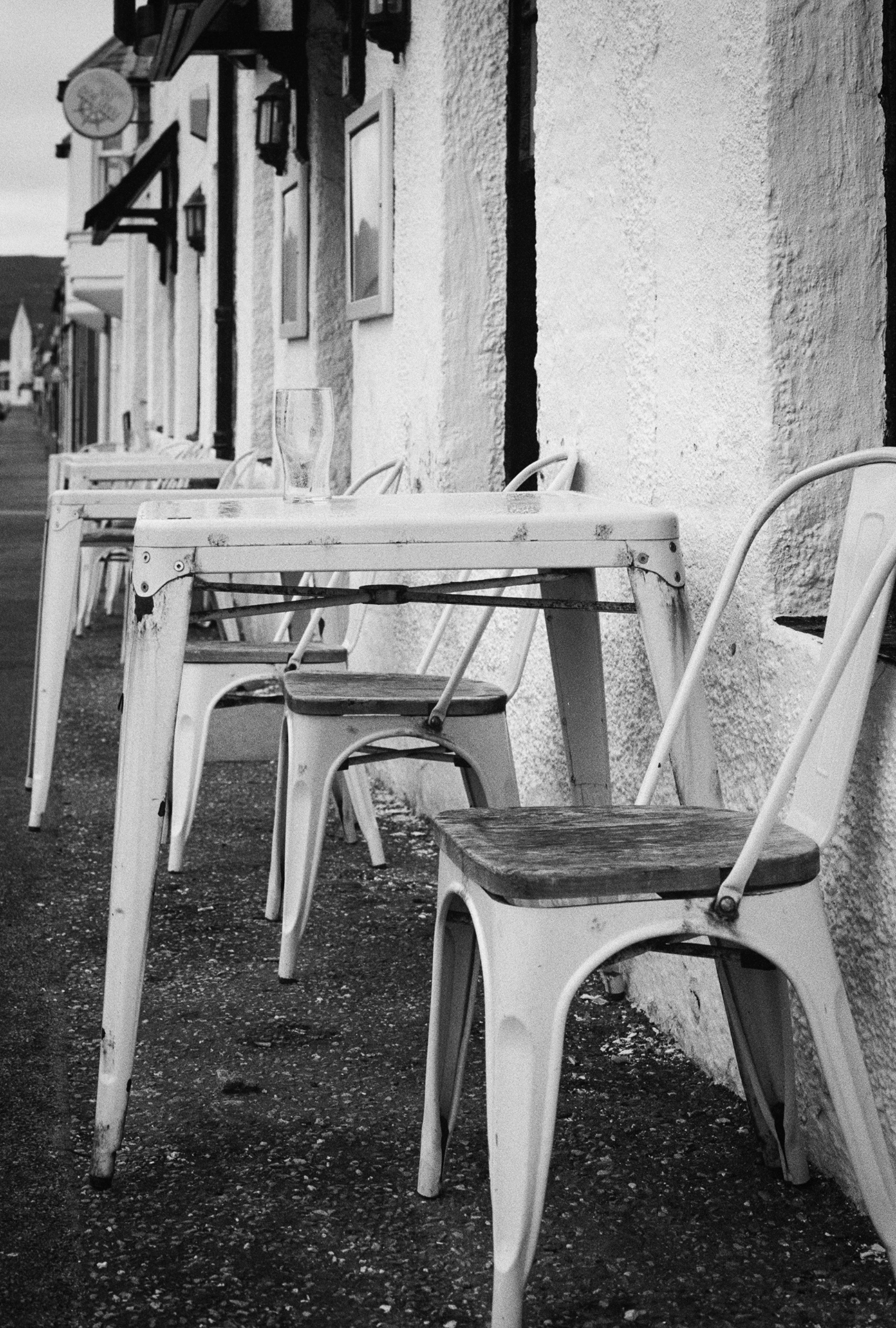
At ISO 800, HP5 retains a good balance between contrast and shadow detail, while introducing a noticeable but pleasing grain structure. It’s a setting I regularly use in woodland and early morning conditions.
PUSHING HP5 (ISO 800, 1600)
One of the biggest strengths of HP5 is how well it handles being pushed.
ISO 800
- Slight increase in contrast
- Grain becomes more noticeable
- Still very usable for most situations
ISO 1600
- Strong contrast
- Pronounced grain
- Excellent for mood and atmosphere
👉 I often shoot HP5 at ISO 800 or 1600 in low light, especially during darker winter days or early mornings.
This is where the film really comes into its own — adding character rather than just compensating for lack of light.
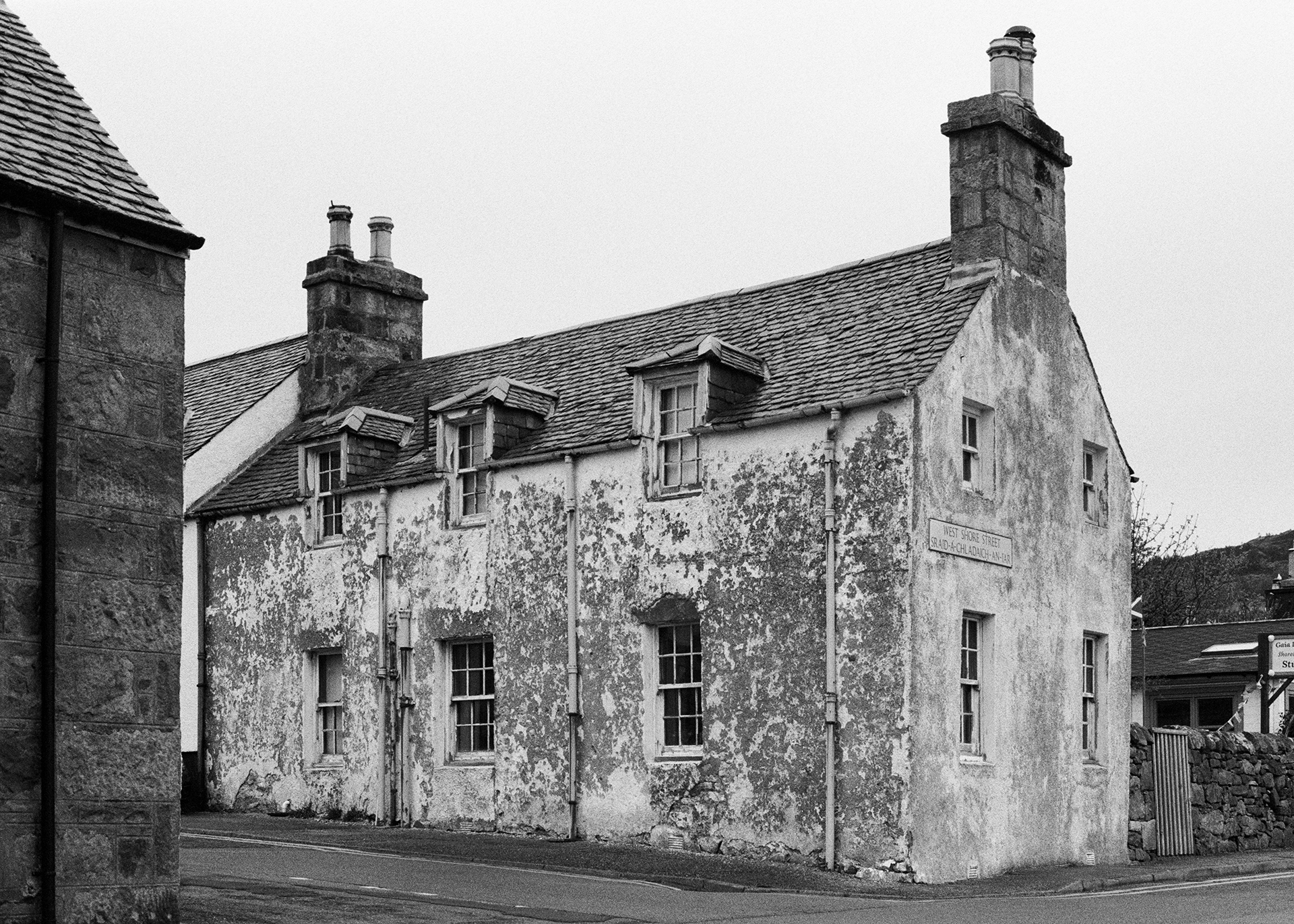
Ilford HP5 Pushed to 1600
Pushing HP5 to ISO 1600 creates a much more dramatic look. Contrast increases significantly, shadows deepen, and grain becomes a dominant feature of the image.
While some shadow detail is lost, the overall mood can be far more striking, particularly for black and white landscape or atmospheric scenes.
MEDIUM FORMAT VS 35MM
HP5 behaves differently depending on format:
35mm
- More noticeable grain
- Grittier, more classic look
- Works well for documentary-style images
Medium Format
- Finer grain
- Smoother tonal transitions
- Better suited for landscapes and prints
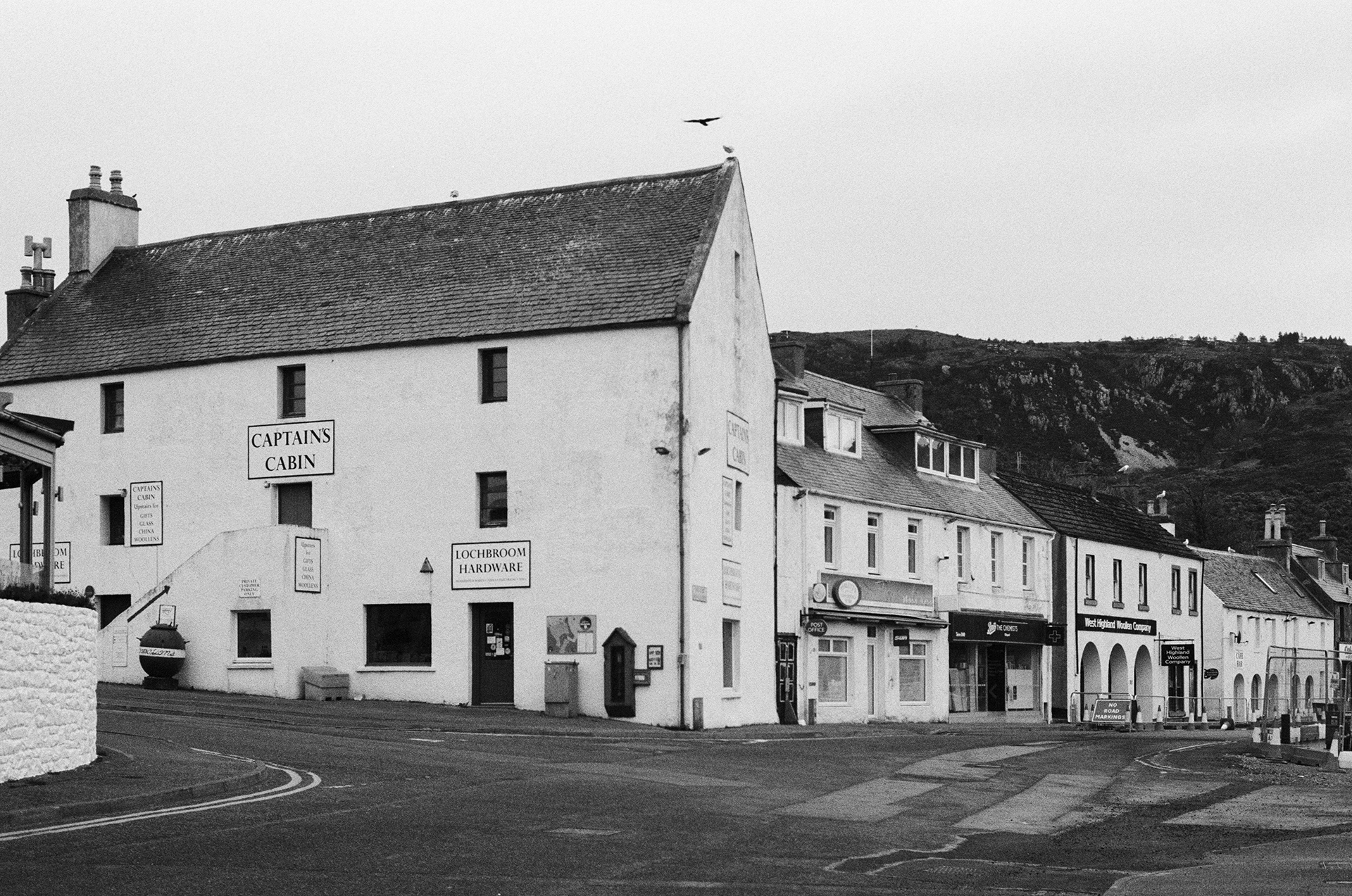
👉 When I shoot HP5 in medium format, the results feel much more refined — especially in subtle lighting conditions.
WHEN HP5 WORKS BEST
HP5 excels in:
- Overcast light
- Woodland photography
- Low-light conditions
- Atmospheric scenes
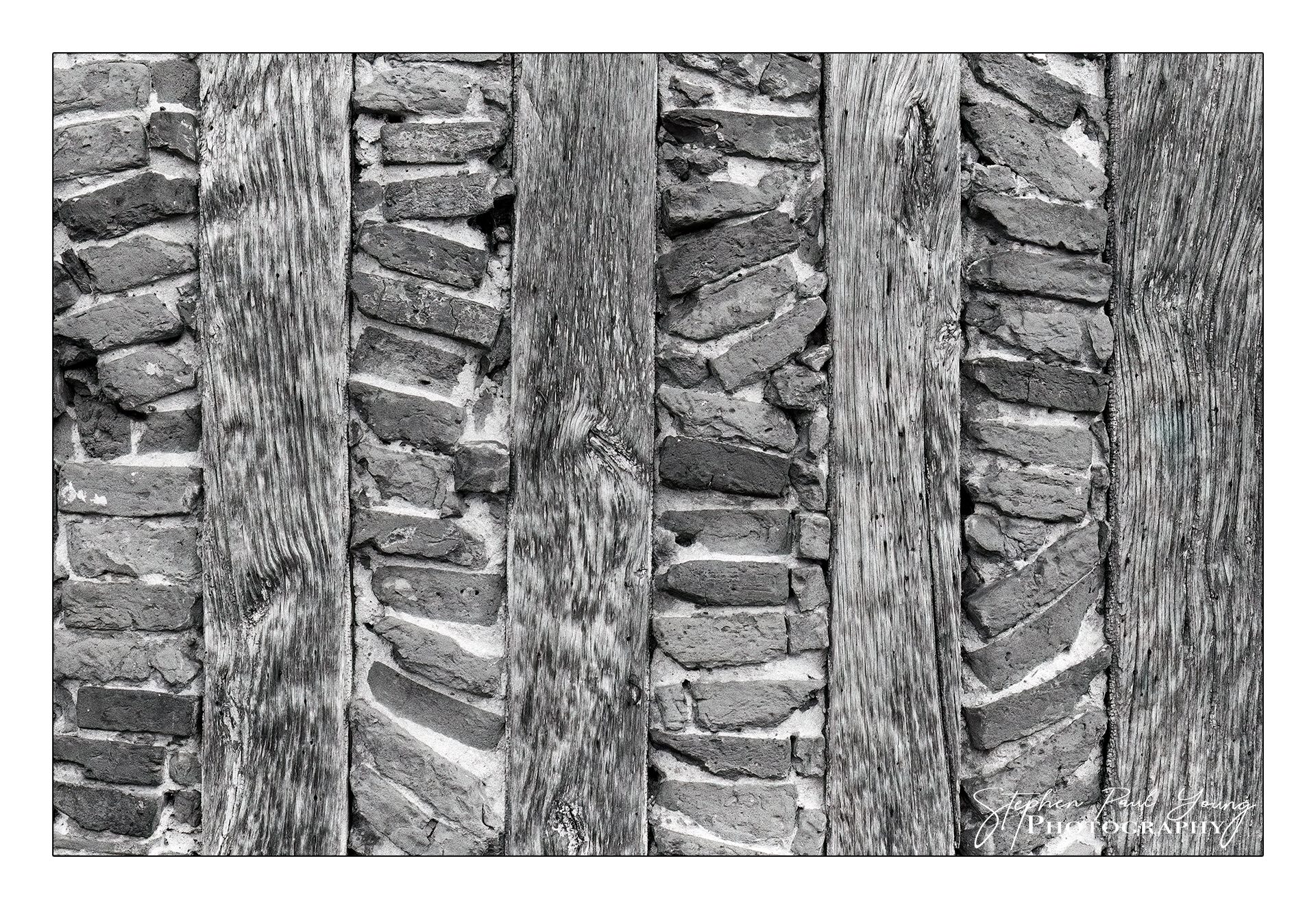
It’s particularly strong when you’re not chasing perfect light — which makes it ideal for UK conditions.
WHEN NOT TO USE HP5
HP5 isn’t perfect for everything.
It can struggle in:
- Bright, high-contrast sunlight
- Situations where you want ultra-fine grain
- Highly detailed scenes requiring maximum sharpness
👉 In harsh sunlight, highlights can become difficult to control.
HP5 VS OTHER FILMS
HP5 vs Ilford FP4
- HP5: More flexible, better in low light
- FP4: Finer grain, better in bright conditions
HP5 vs Kodak Tri-X
- Ilford HP5: Slightly softer contrast
- Kodak Tri-X: More punchy, iconic contrast
👉 I find HP5 more forgiving, especially when conditions aren’t ideal.
MY EXPERIENCE USING HP5
Most of my HP5 work is done in quiet, overcast environments — places where light is subtle and constantly shifting.
What stands out is how reliable it is. You don’t need perfect conditions. You don’t need to overthink exposure.
It just works.
And in many ways, that’s what makes it such a powerful film — it allows you to focus on the scene rather than the technical process.
FAQs About Ilford HP5
Can you push Ilford HP5 to 800?
Yes, and it’s one of the most common ways to shoot HP5. It offers a great balance of contrast, grain, and usable shadow detail.
Can you push Ilford HP5 to 1600?
Yes, HP5 handles being pushed to 1600 very well, although you’ll see increased grain and reduced shadow detail.
What developer is best for pushing HP5?
Different developers give different results, but extended development time is key when pushing film.
FINAL VERDICT
Ilford HP5 Plus 400 is one of the most versatile black and white films available.
Whether you’re shooting at box speed or pushing it in low light, it consistently delivers strong, characterful results. If you’re looking for a film that adapts to your environment rather than fighting it, HP5 is hard to beat.
See how HP5 compares to Fomapan 400 in my full film review guide. For other ISO 400 films, check my ISO 400 Film Comparison Guide.
