

Introduction
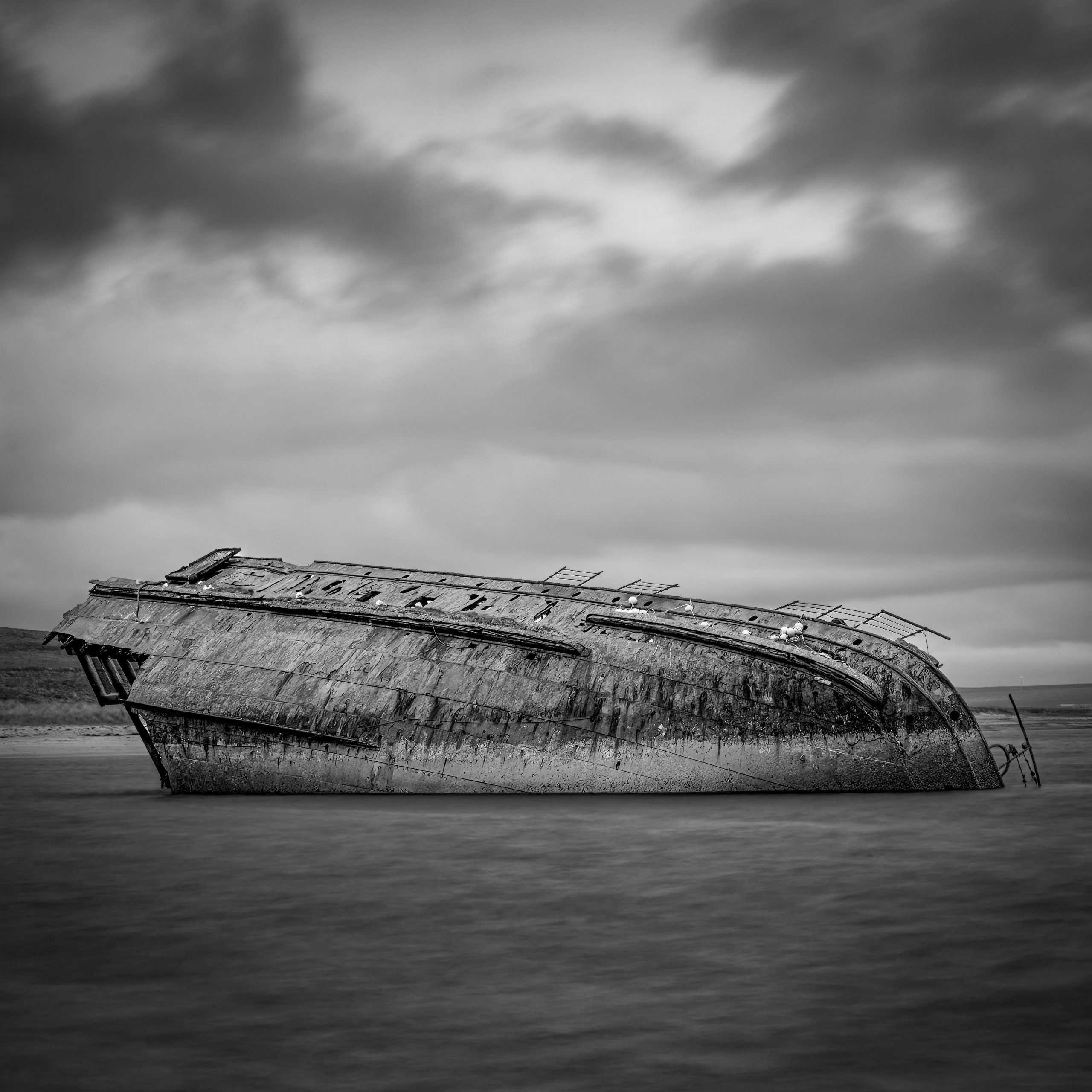
Black and white photography is more than just removing color — it’s about capturing light, shadow, texture, and emotion. Whether you shoot 35mm film, medium format, or digital, B&W offers a timeless aesthetic that emphasizes composition and mood over color.
Why Shoot Black and White?
- Focus on composition: Without color, lines, shapes, and contrast become key.
- Enhanced emotion: B&W often conveys mood and drama more powerfully than color.
- Timeless appeal: Classic photographs and gallery prints often favor monochrome.
- Simplified workflow: Easier to judge contrast and exposure without color distractions.
Choosing the Right Film
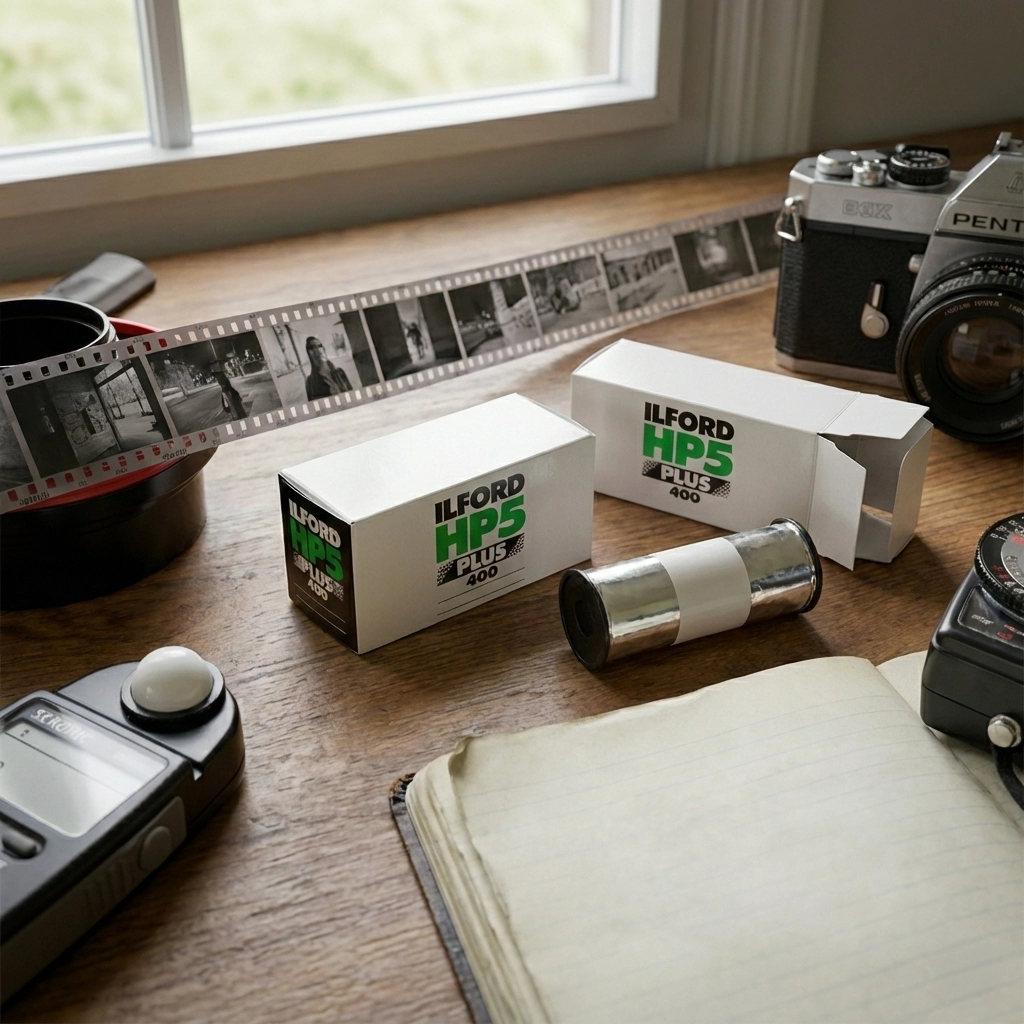
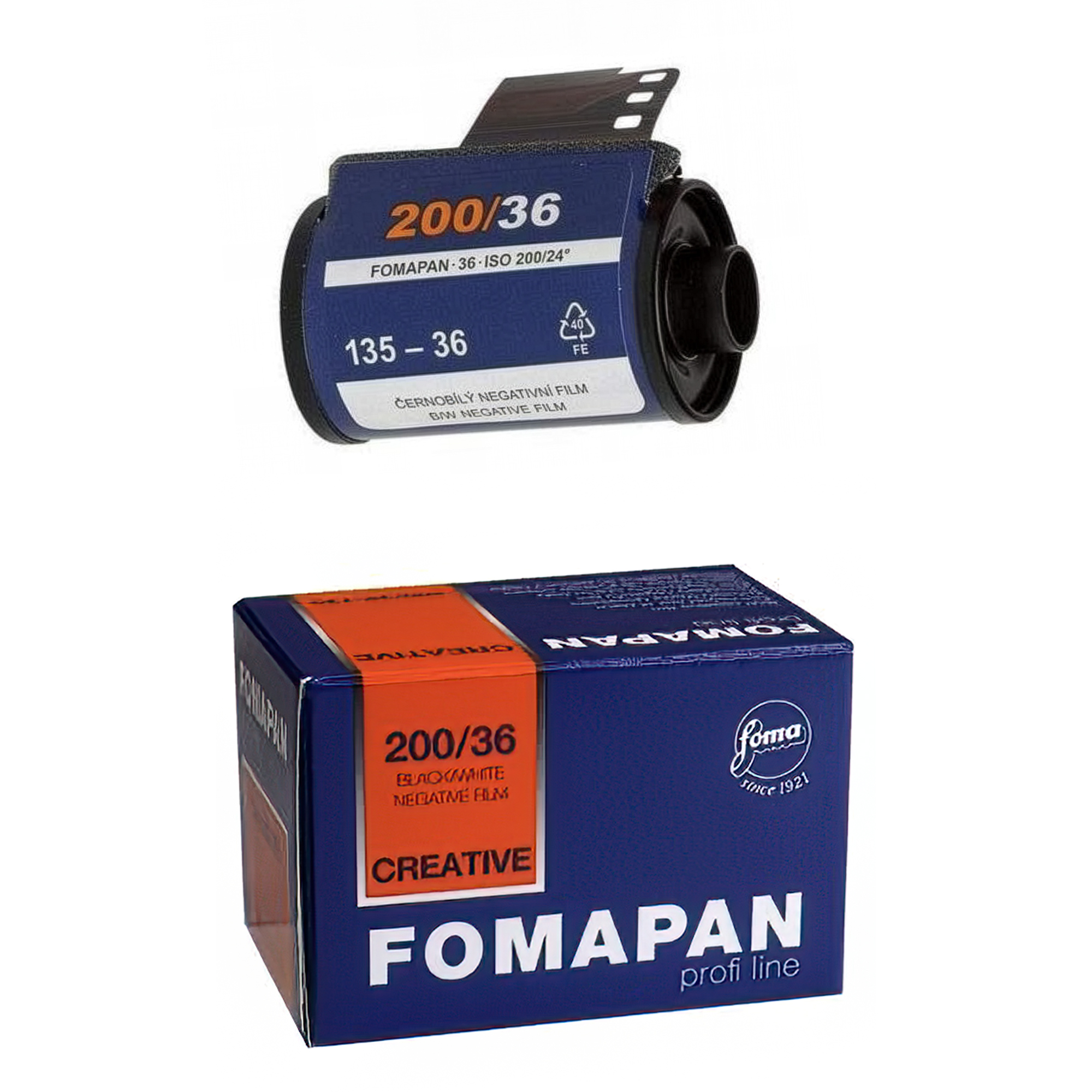
For film photographers, selecting the right black and white film is critical. Popular options include:
- Ilford HP5, FP4
- Kentmere 400
- Fomapan (Reviews)

For more guidance, see our full guide: Choosing the Right Film
Shooting Techniques
- Pay attention to light and shadow — contrast is your best friend.
- Experiment with filters (yellow, red, orange) to control tones.
- Try square crop compositions for minimalistic and balanced frames.
Film vs Digital Black and White
- Film: rich tonality, natural grain, classic feel
- Digital: flexible post-processing, easy corrections
- Learn the pros and cons here: Film Photography Guide
Developing and Printing
- Developing B&W film yourself allows complete creative control.
- Medium format negatives offer more detail and smoother tonal gradation.
- Check out: Medium Format Photography
Recommended Resources
Conclusion
Black and white photography lets you see the world differently — focusing on tone, texture, and emotion. Whether capturing landscapes, portraits, or street scenes, mastering B&W will improve your photographic eye across all genres. This approach becomes particularly powerful when applied to historic landscapes, such as my work at Calleva Atrebatum.
Like what you read? Fuel my next post with a coffee – hit that PayPal button and keep the caffeine flowing!
[wpedon id=77]
