

There’s something quietly reassuring about slower black and white films. They don’t rush you, don’t flatter mistakes, and don’t pretend to be something they’re not. Fomapan 100 is exactly that kind of film — traditional, deliberate, and refreshingly honest.
Often overshadowed by faster stocks and modern emulsions, Fomapan 100 doesn’t shout for attention. Instead, it waits patiently for good light, thoughtful exposure, and a photographer willing to slow down. In return, it offers beautiful tonality, fine grain, and a very classic black and white look.
QUICK VERDICT – FOMAPAN 100 AT A GLANCE
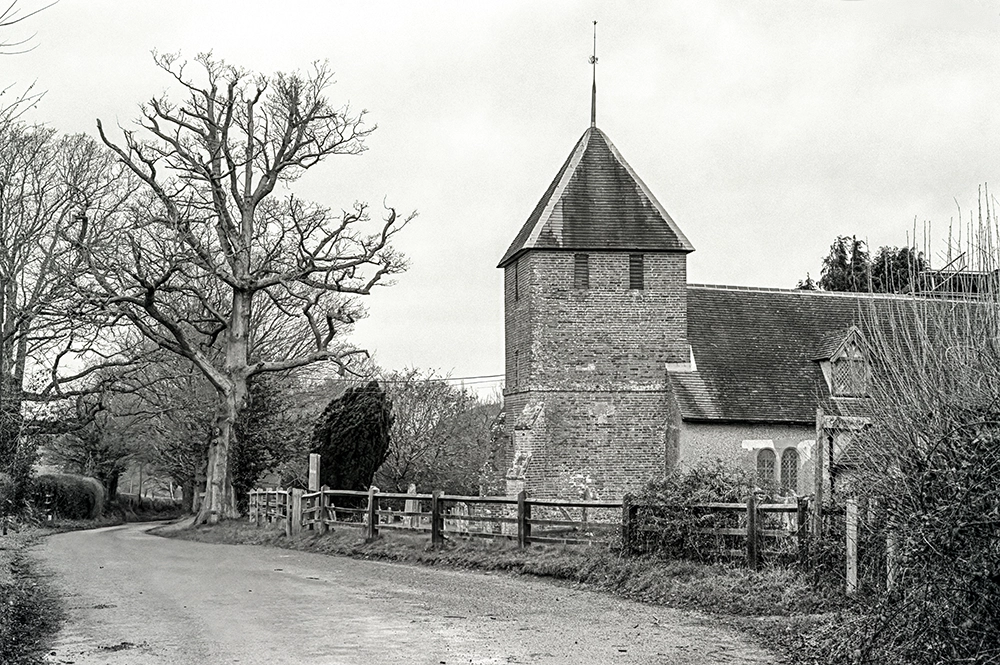
Fomapan 100 is a traditional, slow black and white film that rewards careful exposure and good light.
It delivers fine, visible grain, excellent tonal separation, and beautifully controlled highlights — all at a very affordable price. Best suited to landscapes, architecture, and considered photography where time and intention matter more than speed.
Best for: Landscapes, architecture, historic sites, thoughtful documentary
Less suited to: Low light, fast action, heavy pushing
Overall: Classic rendering, excellent tonality, outstanding value
This review is based on shooting Fomapan 100 in 35mm, used in natural light across historic locations and open landscapes, with no special treatment — just the film doing what it does best.
FOMAPAN 100 – TECHNICAL DETAILS
| Specification | Detail |
|---|---|
| Film Name | Fomapan 100 Classic |
| Film Type | Black & White Negative |
| ISO Rating | ISO 100 / 21° |
| Manufacturer | Foma Bohemia (Czech Republic) |
| Film Speed Range | ISO 50 – 200 (with development changes) |
| Grain Structure | Fine, traditional grain |
| Contrast | Medium to low |
| Tonal Range | Wide, excellent highlight control |
| Exposure Latitude | Approx. +1 EV / −1.5 EV |
| Formats Available | 35mm (135), 120 roll film |
| Push / Pull Capability | Limited (best at box speed) |
| Best Suited For | Landscape, architecture, documentary |
| Development | Standard black & white developers |
| Typical UK Price | Approx. £5 per roll (35mm) |
FIRST IMPRESSIONS IN USE
Fomapan 100 immediately feels like a film that expects you to pay attention.
It doesn’t tolerate lazy exposure, but it doesn’t punish you unfairly either. In good light, the negatives come back clean, consistent, and full of subtle detail — particularly in highlights, where this film really shines.
Straight away, the grain is noticeable but restrained. It’s not ultra-modern or clinically smooth. Instead, it has a classic texture that feels entirely appropriate for landscapes and historic locations. Stone, sky, and foliage all take on a very natural, believable look.
There’s nothing exaggerated here — just quiet confidence.
GRAIN, TONALITY & CONTRAST
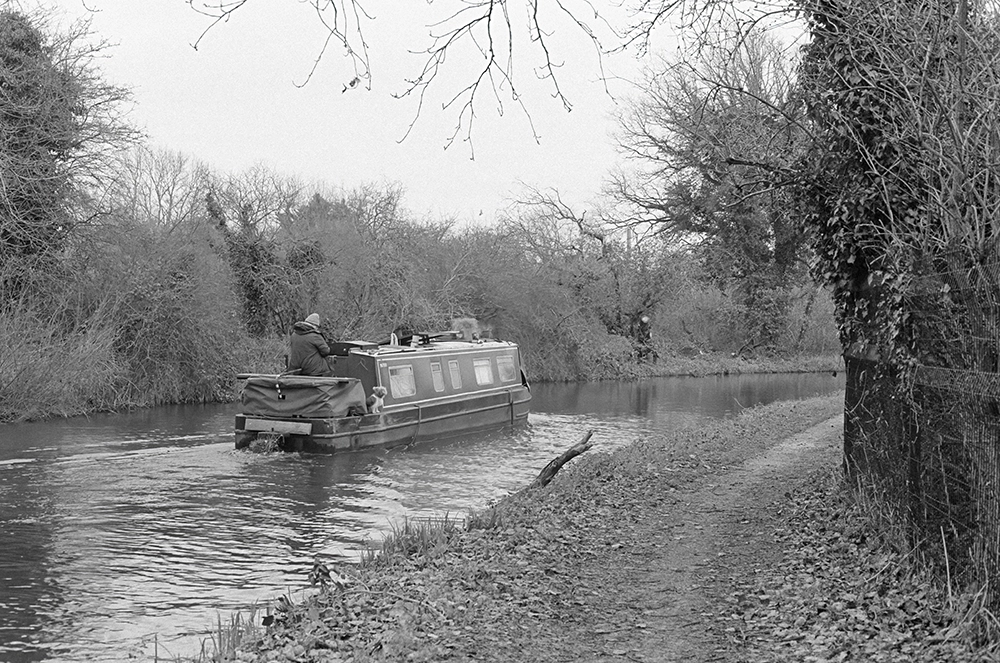
This is where Fomapan 100 really earns its place.
Grain: Fine, visible, and very traditional. Cleaner than Fomapan 200, and noticeably finer than HP5 at box speed.
Tonal range: Excellent. Highlights roll off gently, shadows retain detail when exposed properly, and midtones are beautifully separated.
Contrast: Moderate and controlled. It never feels harsh, making it easy to shape later without fighting the negative.
In scenes with stone buildings, open skies, and subtle texture, Fomapan 100 excels. It handles bright highlights calmly, which makes it especially good for sunlit architecture and high-key landscapes.
EXPOSURE LATITUDE & FORGIVENESS
Fomapan 100 is less forgiving than its faster siblings — but that’s part of its character.
It prefers to be exposed accurately, leaning slightly toward overexposure rather than under. When treated well, it delivers very clean negatives with excellent shadow detail. Underexpose it too much and it will let you know.
This isn’t a film for rushed shooting. It rewards intention and care — exactly what you’d expect from a classic ISO 100 stock.
WHAT DOES FOMAPAN 100 SUIT BEST?
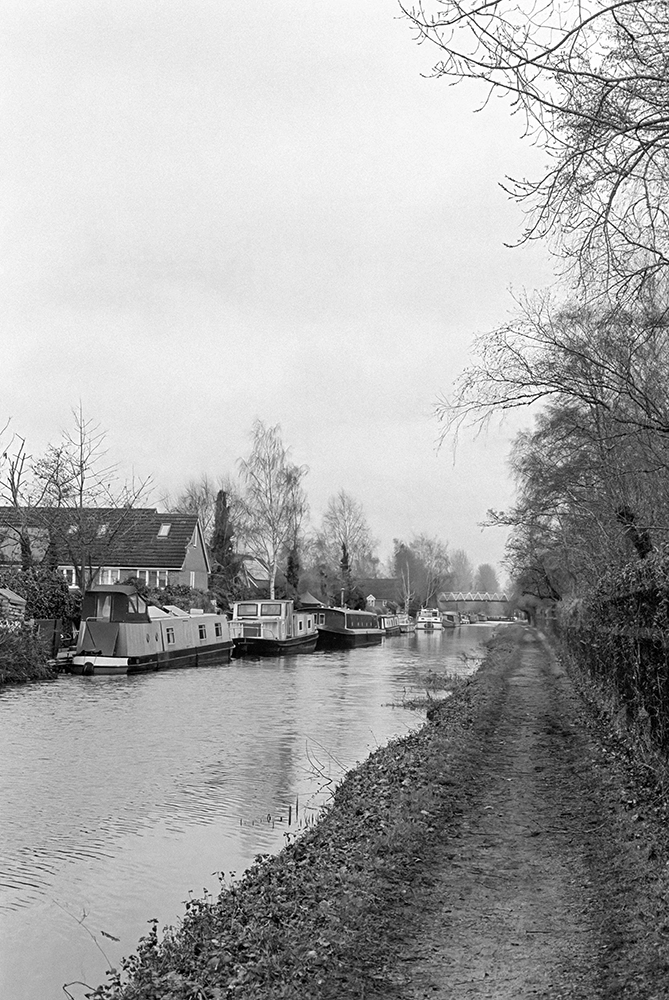
From experience, Fomapan 100 really shines in:
- Landscape photography – especially with texture, sky, and distance
- Architecture & historic sites – stone, brick, and weathered surfaces look superb
- Slow documentary work – where light and composition matter more than speed
It can work for portraits, producing gentle tones and natural contrast, but it’s not a punchy portrait film. Those wanting dramatic separation or low-light flexibility may prefer faster stocks.
FORMAT, AVAILABILITY & COST
I shot Fomapan 100 in 35mm, but it’s also available in 120, where its fine grain and tonal range would really come into their own.
Availability in the UK is excellent, and pricing is one of its strongest points — typically around £5 per roll. That makes it a perfect everyday film for photographers who shoot regularly rather than saving film for “special” occasions.
Affordable here doesn’t mean basic — it means honest.
DEVELOPMENT, SCANNING & POST-PROCESSING
Development for this roll was handled by a professional lab, though Fomapan 100 is very straightforward to develop at home with standard black and white developers.
Once scanned, the negatives responded beautifully to light post-processing. Contrast adjustments were gentle, and the film held together extremely well — especially in highlights.
This isn’t a film that wants aggressive editing. It works best when you respect what’s already there.
HOW IT FEELS COMPARED TO FP4 PLUS
Where Ilford FP4 Plus feels refined and polished, Fomapan 100 feels more traditional and slightly raw.
- FP4 Plus feels modern-classic
- Fomapan 100 feels old-school classic
Both are excellent. Fomapan 100 simply has a bit more texture and a slightly softer contrast curve — particularly appealing if you enjoy a more vintage rendering.
Explore the Fomapan Trio
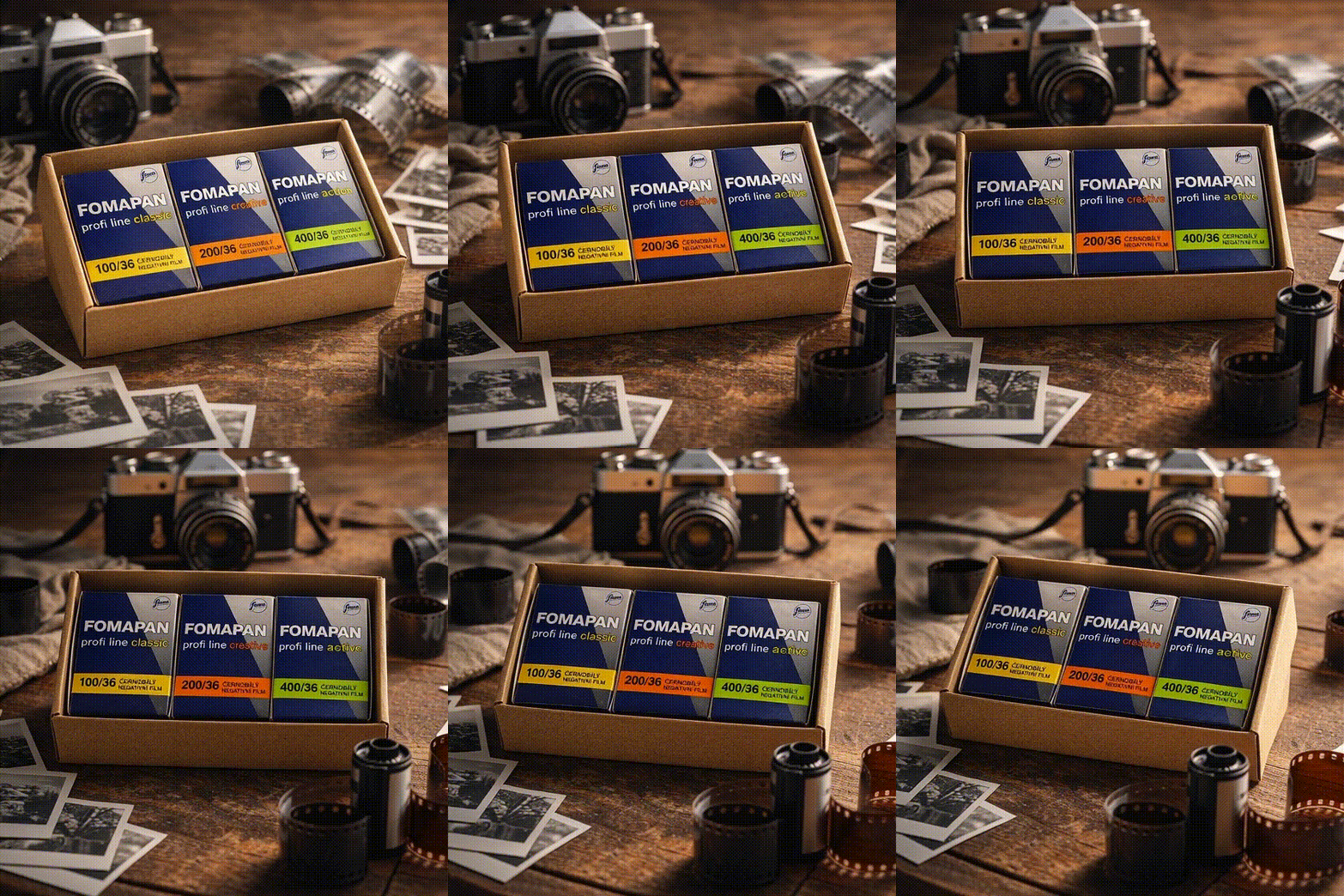
If you enjoy Fomapan 100, the Fomapan Trio is a great way to try all three classic speeds — 100, 200, and 400 — in one bundle. Perfect for landscapes, street, and documentary work, it lets you experiment with grain, contrast, and tonality across different lighting conditions.
Check out the Fomapan Trio
FINAL THOUGHTS – IS FOMAPAN 100 ANY GOOD?
Yes — if you’re prepared to meet it halfway.
Fomapan 100 is a slow, traditional black and white film with excellent tonal range, fine grain, and beautifully controlled highlights. It doesn’t forgive carelessness, but it rewards patience and attention in a way faster films often don’t.
It’s affordable, dependable, and quietly expressive — ideal for photographers who enjoy slowing down and really seeing the scene in front of them.
If you treat it with respect, it will return the favour.
FOMAPAN 100 – FREQUENTLY ASKED QUESTIONS
Is Fomapan 100 good for beginners?
Yes, especially for learning exposure. It encourages careful metering and teaches the relationship between light and shadow very clearly.
What type of photography is Fomapan 100 best for?
Landscape, architecture, historic locations, and thoughtful documentary work.
Can Fomapan 100 be pushed?
It can be pushed to ISO 200 with adjusted development, but it’s happiest at box speed.
Does Fomapan 100 scan well?
Yes. It scans cleanly and holds highlight detail exceptionally well.
Is it available in medium format?
Yes — both 35mm and 120 are widely available.
UK FILM PHOTOGRAPHY – PRACTICAL NOTES
Is Fomapan 100 easy to buy in the UK?
Yes. Most UK film retailers stock it consistently.
Is it suitable for UK light?
Very much so. It performs particularly well under soft, overcast conditions and gentle summer light.
Is it good for historic sites?
Absolutely. Stonework, ruins, and weathered architecture are where this film really comes alive.
FINAL RECOMMENDATION
If you enjoy slow, deliberate black and white photography — where light, composition, and timing matter more than speed — Fomapan 100 is an excellent choice.
It’s not flashy. It doesn’t rush. And it doesn’t pretend to be something it isn’t.
What it offers instead is honesty, texture, and a beautifully classic look — at a price that encourages you to keep shooting.
A film for those who enjoy the process as much as the final image. You can also read my other Fomapan reviews.
If you’re trying to understand how these films differ in real-world use, I’ve put together the Fomapan Trio — a simple way to shoot all three as a learning project.
See where to get Fomapan and other affordable films in our Buying Guide
No Responses