
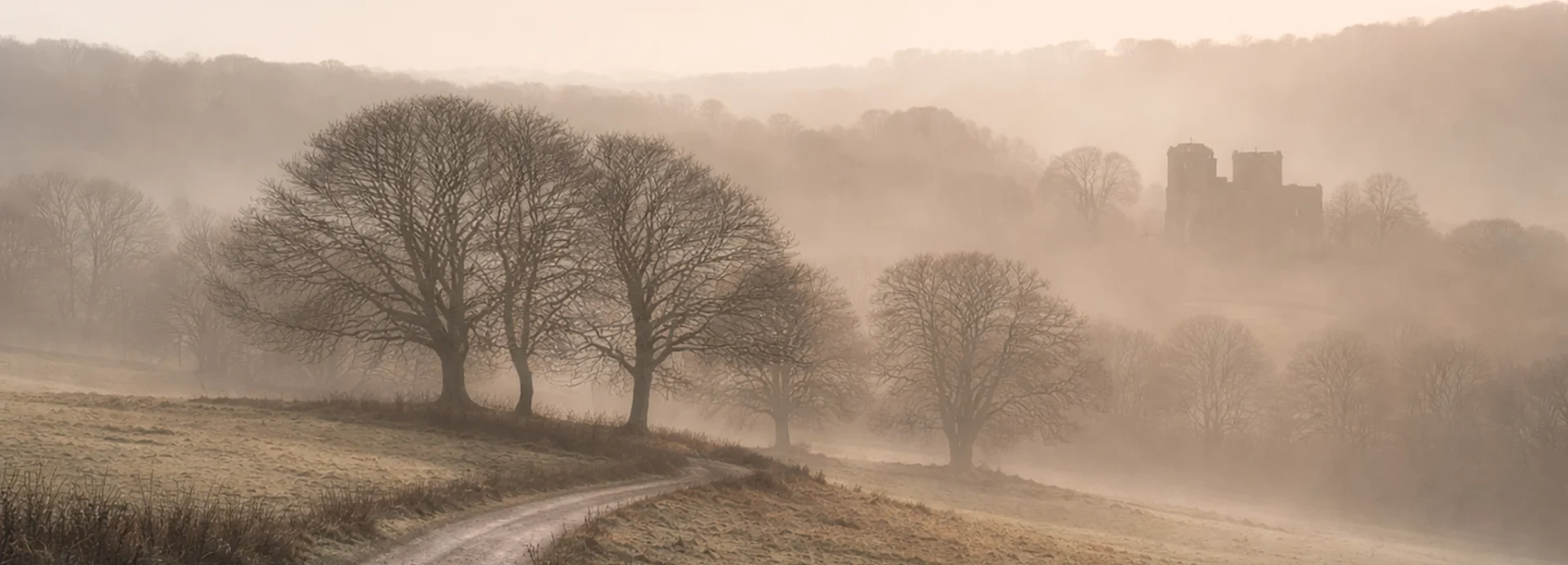

Kentmere 400 is often overlooked in favour of better-known films, but it has quietly built a reputation as one of the best budget black and white options available. In this review, I share real-world results, sample images, and my honest experience shooting Kentmere across a range of conditions — from soft winter light to contrast-heavy scenes. If you’re wondering whether Kentmere film is worth shooting in 2026, this guide will give you a clear answer.
Kentmere 400 Film Review
Kentmere 400 is a versatile, affordable black and white film that delivers surprisingly strong results for its price point. It’s often compared to more established films, but in practice it has its own character.
In good light, Kentmere 400 produces:
- Moderate contrast
- Noticeable but pleasing grain
- Good sharpness
It doesn’t have the same latitude as premium films, so exposure needs to be a little more considered. Slight overexposure tends to produce the best results, especially when shooting in flat or overcast conditions.

Where Kentmere 400 really shines is in everyday photography. Walks, quiet landscapes, and slower, more deliberate shooting all suit it well. It feels like a film that rewards patience rather than speed.
What is Kentmere Film?
Kentmere is a budget-friendly black and white film range produced in the UK and closely associated with Ilford. It’s often seen as an entry point into film photography, but that undersells it slightly.
Rather than thinking of Kentmere as “cheap,” it’s better described as:
- Accessible
- Consistent
- Honest in its rendering
It doesn’t try to emulate premium films. Instead, it offers a simpler tonal range and a slightly more pronounced grain structure. For many photographers, that’s part of its appeal.
Kentmere 100 Review
Kentmere 100 is the finest-grained film in the range and performs best in good light. It produces clean, sharp images with a more subtle tonal range compared to faster films.
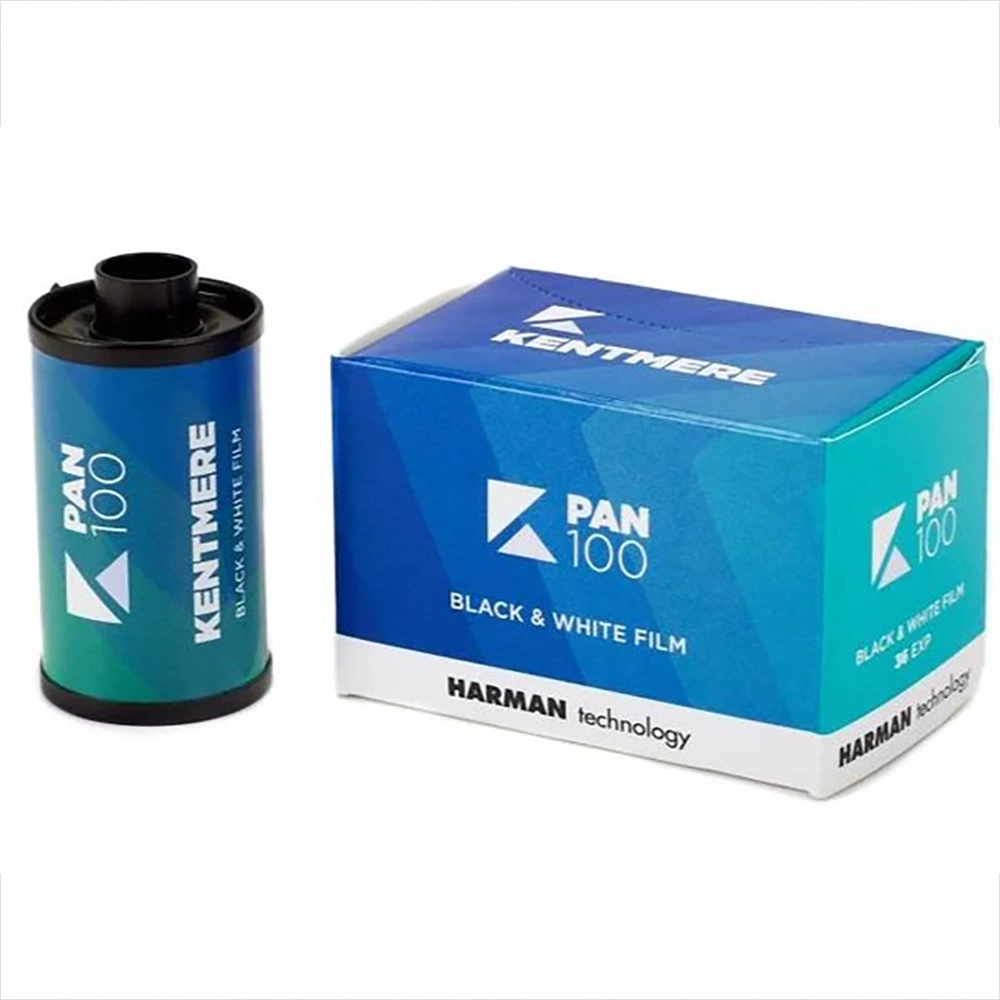
In use, Kentmere 100 works particularly well for:
- Landscapes
- Architectural details
- Slower, tripod-based photography
The lower ISO means less flexibility, but the trade-off is improved detail and smoother tones. In bright conditions, it delivers results that feel controlled and deliberate.
Kentmere 200 Review
Kentmere 200 sits between 100 and 400, but it’s often overlooked. It offers a balance between grain and flexibility, making it a solid all-round option.

It tends to produce:
- Slightly finer grain than 400
- More flexibility than 100
- Balanced contrast
In practice, it’s a good choice if you want something adaptable without committing fully to ISO 400. It works well in mixed lighting conditions and general day-to-day shooting.
Sample Photos (Real Results)
This is where Kentmere really proves itself.
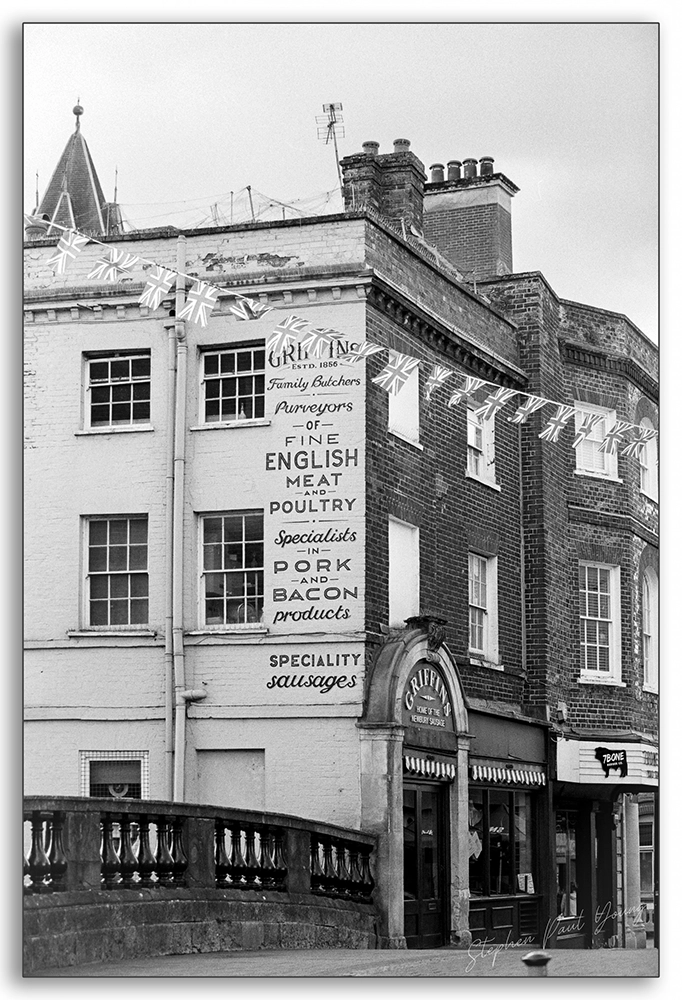
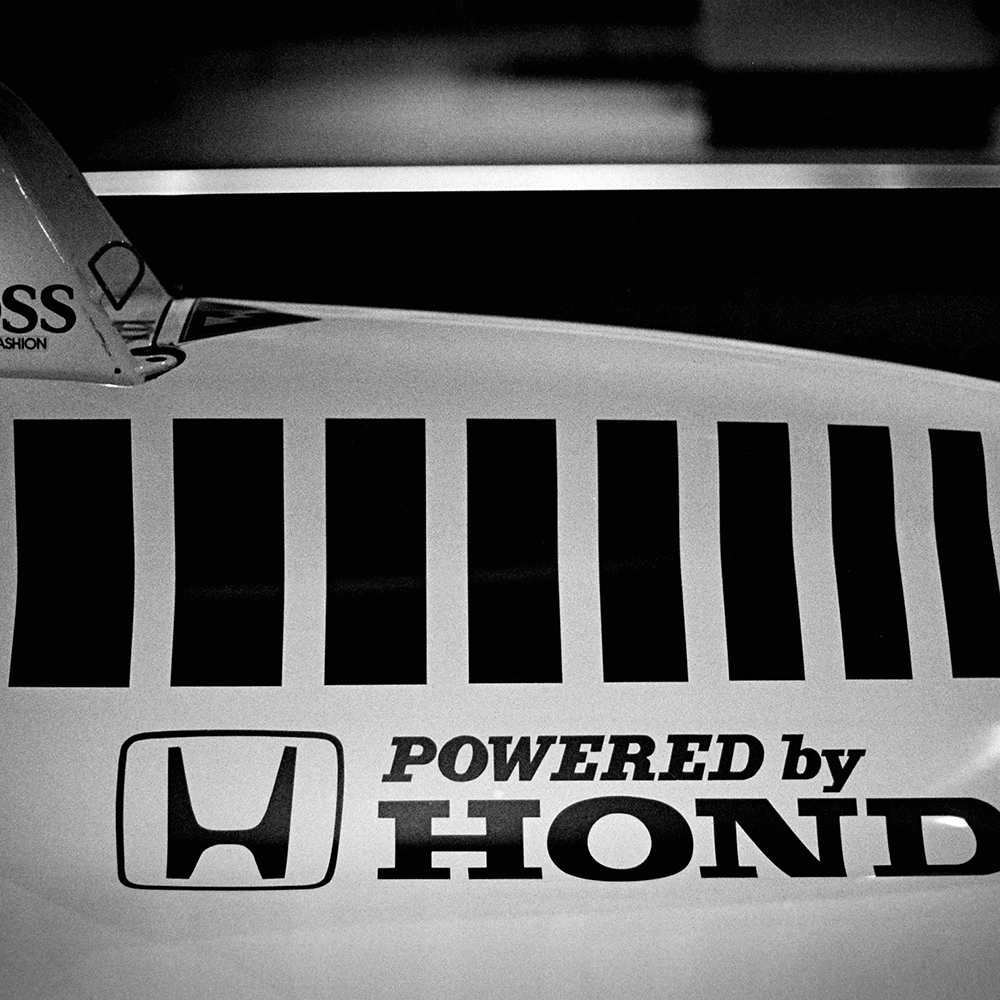
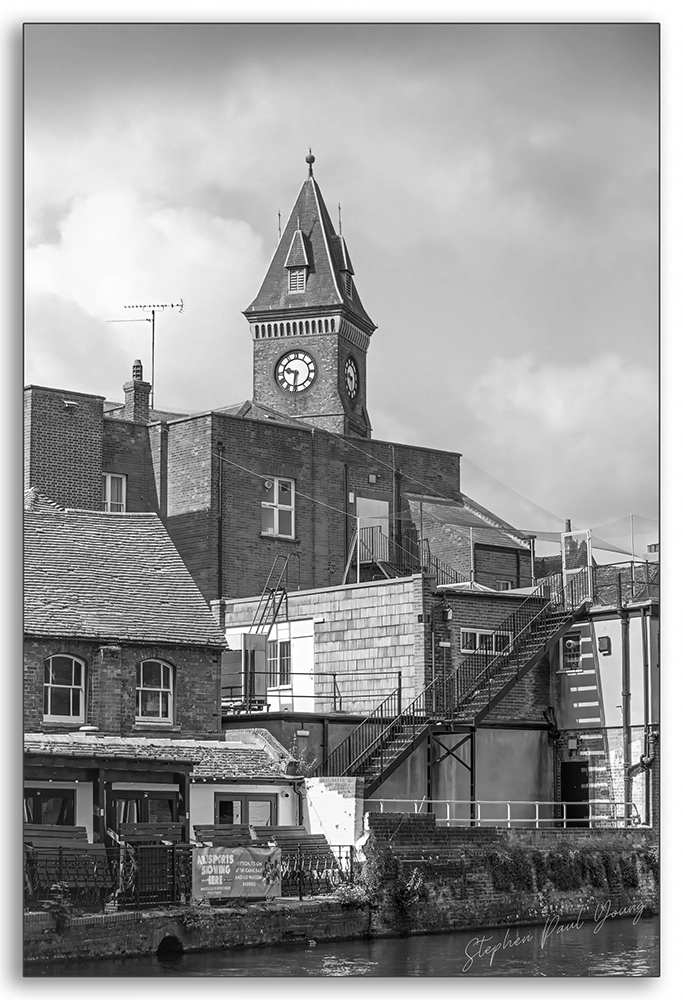
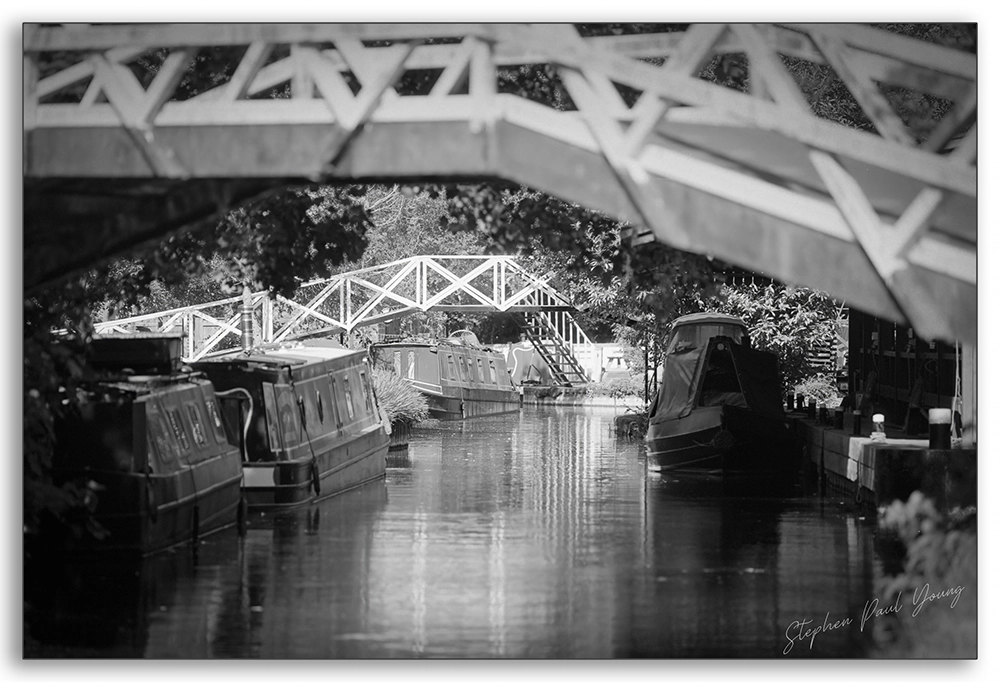
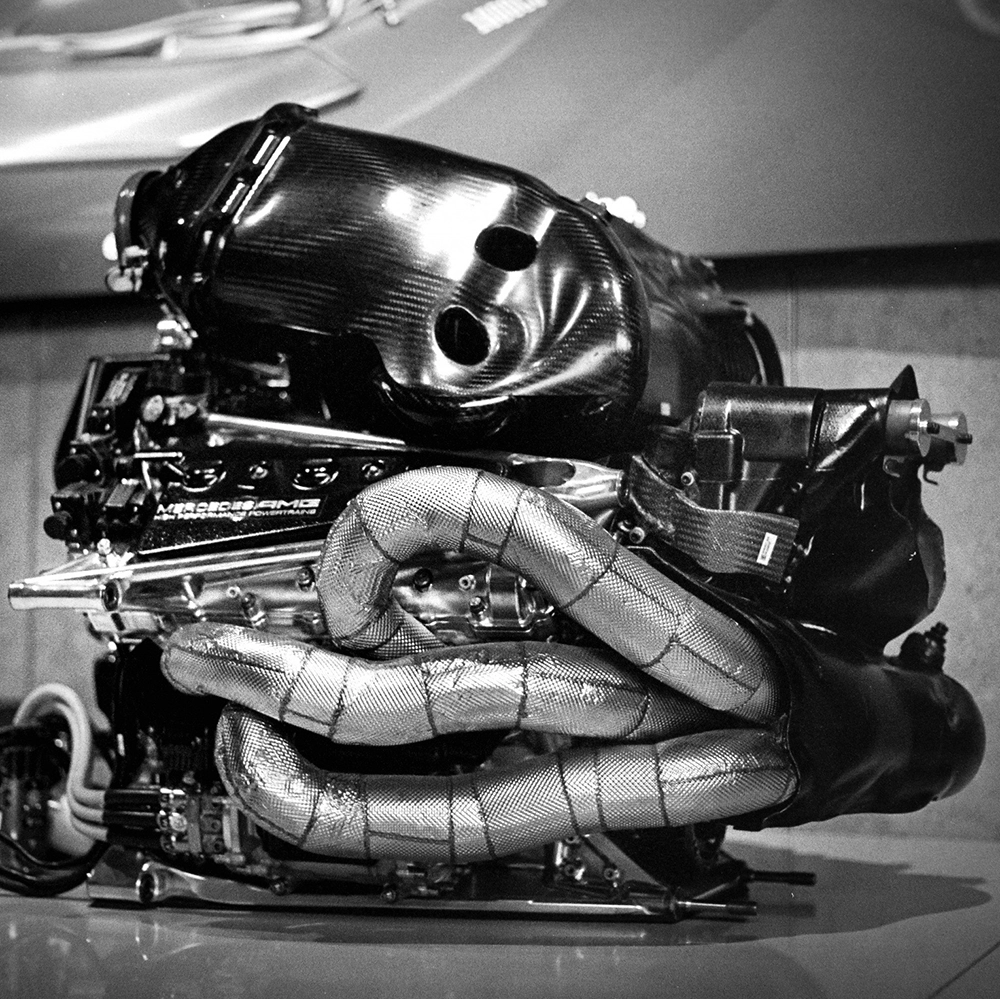
In real-world use, the film produces images that feel natural rather than overly polished. Grain is visible, but not distracting. Contrast is present, but not harsh.
Across different conditions:
- Overcast light produces soft, atmospheric tones
- Strong light increases contrast and definition
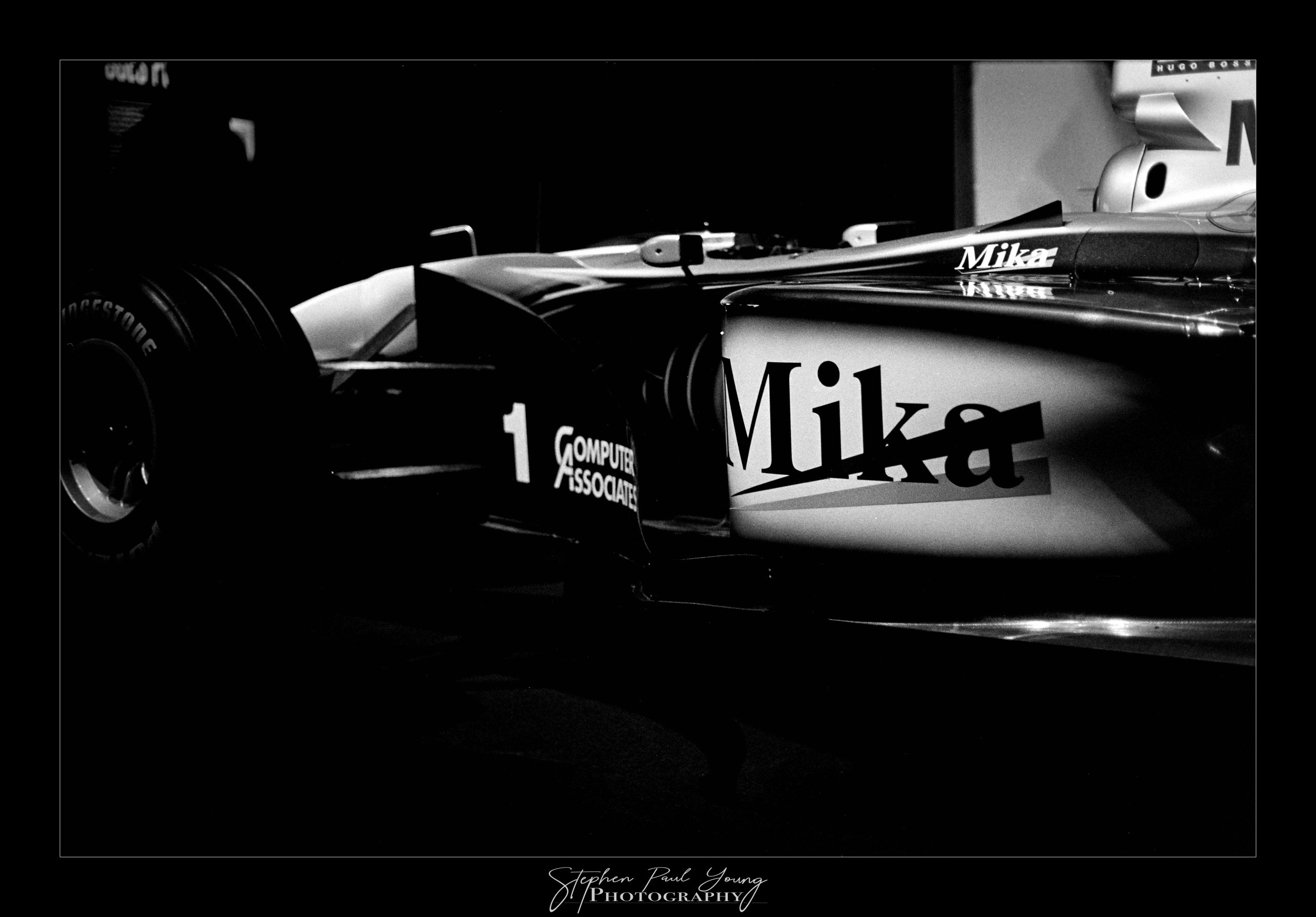
- Shadows can block slightly if underexposed
This unpredictability is part of the appeal. Kentmere doesn’t try to correct everything — it reflects the scene as it is.

Kentmere vs Ilford
Kentmere is often compared directly with Ilford films, particularly HP5 and FP4.
In simple terms:
Kentmere 400 vs Ilford HP5
- Kentmere: more contrast, less latitude
- HP5: smoother tones, more forgiving
Kentmere 100 vs Ilford FP4
- Kentmere: slightly harsher rendering
- FP4: finer tonal transitions
Ilford films generally offer more flexibility and consistency, especially in difficult lighting. But Kentmere holds its own, particularly when cost is a factor.
If you’re shooting regularly, Kentmere makes it easier to keep going without worrying about film costs.
Is Kentmere Film Worth It?
Yes — but it depends on what you want from your photography.
Kentmere is worth it if:
- You shoot regularly and want to keep costs down
- You enjoy a slightly raw, less refined look
- You prefer a slower, more deliberate approach
It may not be the best choice if:
- You need maximum dynamic range
- You rely on forgiving exposure latitude
- You want ultra-fine grain
For many photographers, Kentmere sits in a sweet spot. It’s affordable enough to shoot often, but capable enough to produce images worth keeping.
Final Thoughts
Kentmere film doesn’t try to compete directly with premium stocks — and that’s exactly why it works. It offers a straightforward, honest approach to black and white photography that feels refreshing.
It’s a film that encourages you to slow down, pay attention, and accept a little imperfection along the way.
And sometimes, that’s exactly what photography needs.
Compare Kentmere 400 results with Fomapan 400 in my comprehensive reviews. Learn more about pushing and pulling ISO 400 films in Pushing Film Explained.
Black and White Film Photography – Personal Note
As we move through life, especially in a world that’s perpetually buzzing with digital noise, it’s easy to get swept up in the constant chase for instant results. Whether we’re snapping countless photos on our smartphones or rushing through our day-to-day, the world around us often becomes a blur. But for me, the past year has been all about the opposite. I decided to slow down, pick up my old Canon AE-1 Program and my Bronica ETRSi, and immerse myself in the art of traditional black and white film photography, choosing the right film became important..
That decision resulted in my first book, In My Own Light: 2024 – A Black and White Film Journey, now available on Amazon. It’s a deeply personal collection of moments captured throughout the South of England (and a bit beyond), reflecting my return to analog photography. Each image is a testament to the power of slowing down, being present, and rediscovering the art of truly seeing the world.
